White House AI Advisor Sriram Krishnan Steps Down to Launch Outside Policy Initiative
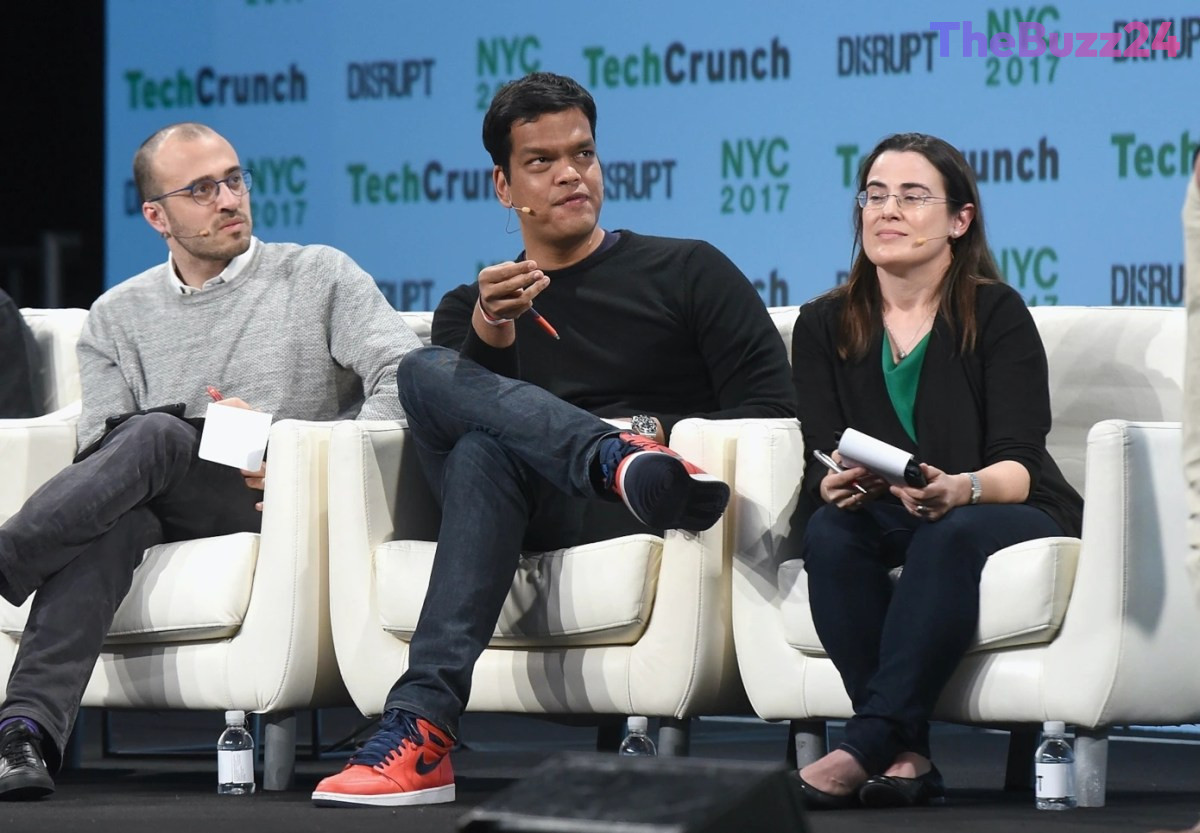
Sriram Krishnan, a prominent tech executive and venture capitalist, has announced his departure from his role as a senior policy advisor on artificial intelligence at the White House. Krishnan, who joined the administration as part of a wave of Silicon Valley figures aligning with President Donald Trump’s second term, expressed gratitude for his time in public service and praised the administration’s aggressive push to secure American dominance in the global AI race.
During his tenure, Krishnan was instrumental in shaping the administration’s AI Action Plan, which focused heavily on accelerating data center construction and infrastructure development while deprioritizing stringent regulatory frameworks. This approach was reflected in several executive orders, including measures aimed at overriding state-level AI regulations and a streamlined oversight framework that was adjusted following feedback from the tech industry. Additionally, the administration floated unconventional ideas during this period, such as the federal government potentially taking equity stakes in leading AI firms.
Krishnan worked closely with David Sacks, the venture capitalist who previously served as the administration’s AI and crypto czar before transitioning to co-chair the President’s Council of Advisors on Science and Technology. Looking ahead, Krishnan plans to establish an independent, external institution focused on addressing critical technological challenges, including energy grid capacity, data center expansion, and international AI competitiveness. This new venture is expected to allow him to continue shaping national AI policy from the private sector.
Key Takeaways
- Sriram Krishnan has stepped down from his position as a key White House AI policy advisor to launch an external policy-focused institution.
- During his tenure, Krishnan championed an infrastructure-first AI Action Plan that prioritized data center construction and sought to limit state-level regulations.
- Krishnan plans to continue influencing national AI strategy from the private sector, focusing on energy, infrastructure, and global competitiveness.
Editor’s Analysis & Impact
Sriram Krishnan’s transition from the White House to an external policy institution highlights a growing trend of Silicon Valley insiders moving fluidly between government roles and private advocacy. By prioritizing infrastructure development—such as data centers and energy grid expansion—over strict regulatory oversight, Krishnan’s tenure solidified a highly pro-innovation, laissez-faire federal stance on artificial intelligence. This approach has been welcomed by venture capital firms and tech giants who argue that heavy regulation could stifle American competitiveness against global rivals like China. However, his departure and the creation of an outside influence group suggest that the battle over AI policy is shifting. Future policy battles will likely center on the massive energy demands of AI infrastructure and how the federal government balances national security interests with private sector autonomy, potentially including controversial proposals like government equity stakes in tech firms.
Frequently Asked Questions
Q: Who is Sriram Krishnan and what was his role at the White House?
A: Sriram Krishnan is a veteran tech executive and venture capitalist who served as a senior policy advisor on artificial intelligence at the White House, helping shape the administration's national AI strategy.
Q: What were the key focuses of Krishnan's AI policy work?
A: Krishnan focused on accelerating data center construction, reducing regulatory hurdles, challenging state-level AI laws, and ensuring the U.S. maintains a competitive edge in global AI development.
Q: What are Sriram Krishnan's plans after leaving the White House?
A: He plans to build an independent, outside institution dedicated to tackling major technological and infrastructure challenges, allowing him to continue influencing AI policy from the private sector.
AI Disclosure: This article is based on verified data and official reports. Our Team and AI have cross-referenced every financial detail with primary sources to ensure total accuracy.
More from this Category