Greg Abel Marks New Era at Berkshire Hathaway with Major Housing and AI Bets
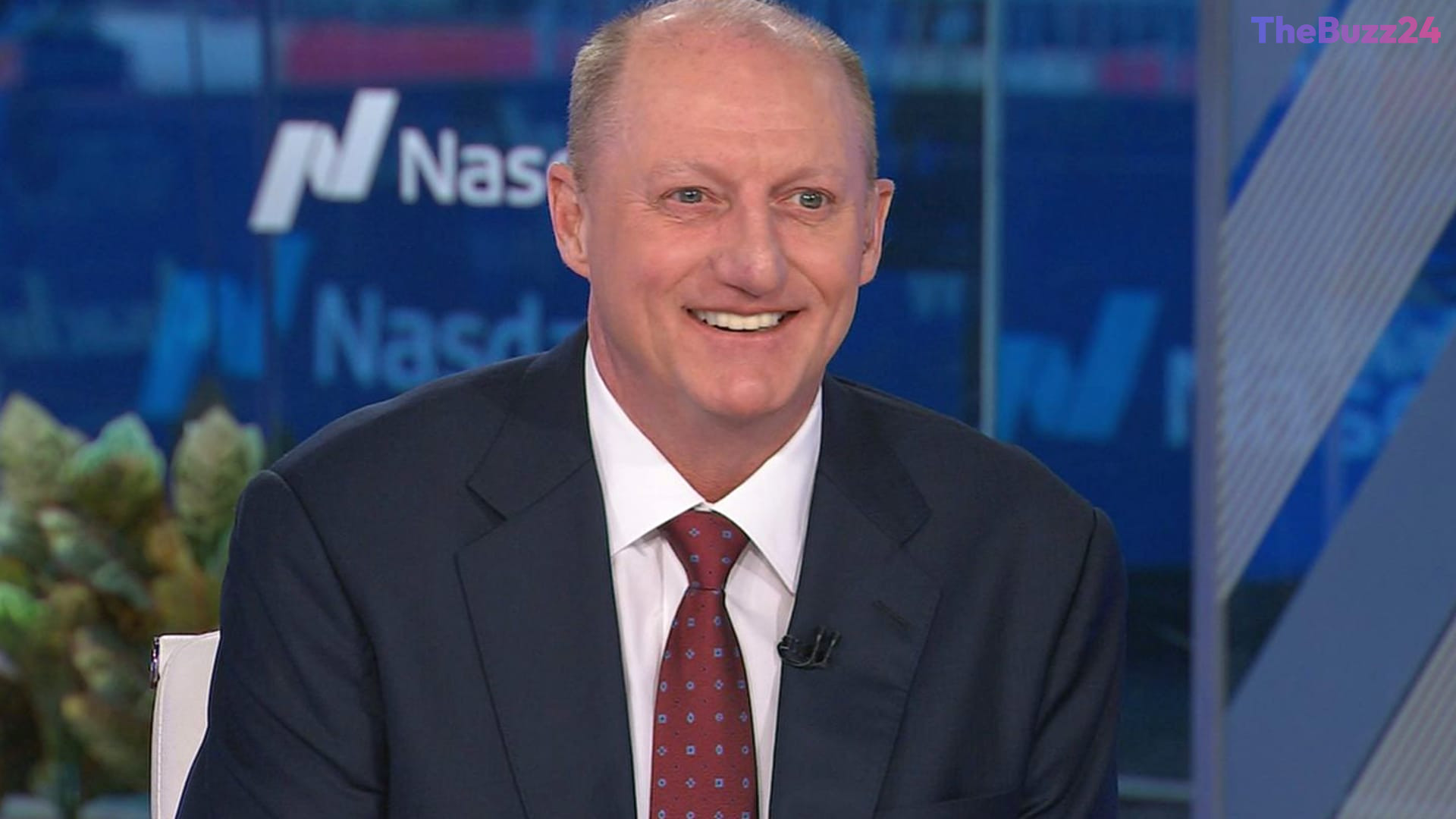
Greg Abel, the newly appointed CEO of Berkshire Hathaway, has signaled a decisive shift in the conglomerate’s investment strategy with two major capital deployments. In his first significant move as leader, Abel orchestrated a $6.8 billion acquisition of residential developer Taylor Morrison Home. The deal, which was finalized with remarkable speed, aims to consolidate Berkshire’s various housing and home improvement subsidiaries—such as Clayton Homes and Benjamin Moore—into a unified national platform. This strategic pivot toward operational integration marks a departure from the company’s traditional model of maintaining strictly independent subsidiaries.
Beyond the housing sector, Abel has demonstrated a bold commitment to the future of technology by committing $10 billion to Alphabet. This investment, executed through a private placement of Class A and Class C shares, is intended to support the tech giant’s massive infrastructure spending on artificial intelligence. By securing these shares at a discount to market value, Berkshire has significantly expanded its position in Alphabet, which is now poised to become one of the conglomerate’s largest equity holdings, rivaling its long-standing investment in Coca-Cola.
These moves highlight a distinct evolution in Berkshire Hathaway’s approach under Abel’s leadership. While Warren Buffett historically maintained a cautious stance toward the technology sector, citing a lack of expertise in predicting long-term winners, Abel’s aggressive expansion into AI suggests a more proactive embrace of modern growth drivers. Industry analysts view these developments as a sign of confidence in both the long-term demand for housing and the transformative potential of AI compute infrastructure, suggesting that Berkshire is entering a new, more dynamic phase of capital allocation.
Key Takeaways
- Greg Abel has initiated a strategy to unify Berkshire’s fragmented homebuilding and construction subsidiaries into a single, efficient national platform.
- Berkshire Hathaway is investing $10 billion into Alphabet to support the expansion of its AI compute infrastructure.
- The new leadership is showing a greater willingness to invest in the technology sector, marking a departure from Warren Buffett's historical investment philosophy.
Editor’s Analysis & Impact
The transition of leadership at Berkshire Hathaway is proving to be more than just a change in personnel; it represents a fundamental shift in the firm’s operational and investment DNA. By moving to consolidate housing subsidiaries, Abel is seeking to unlock efficiencies that were previously ignored under the decentralized ‘hands-off’ approach. Simultaneously, the massive bet on Alphabet signals that Berkshire is no longer content to sit on the sidelines of the AI revolution. This dual focus on tangible, asset-heavy industries like homebuilding and high-growth, intangible sectors like AI suggests a balanced, forward-looking strategy. Investors should expect a more agile Berkshire that is willing to leverage its massive cash reserves to influence market outcomes rather than simply acting as a passive shareholder. This evolution could redefine the conglomerate’s performance metrics in the coming decade.
Frequently Asked Questions
Q: How does the new housing strategy differ from Berkshire's past practices?
A: Historically, Berkshire Hathaway allowed its subsidiaries to operate with high levels of independence. Under Greg Abel, the company is moving toward unifying its various homebuilding and construction units into a single, cohesive platform to achieve greater scale and efficiency.
Q: Why is Berkshire Hathaway investing $10 billion in Alphabet?
A: The investment is a strategic move to fund Alphabet's massive expansion of its AI compute infrastructure, which is necessary to meet the growing demand for artificial intelligence services. It also represents a significant increase in Berkshire's exposure to the technology sector.
AI Disclosure: This article is based on verified data and official reports. Our Team and AI have cross-referenced every financial detail with primary sources to ensure total accuracy.
More from this Category