Federal Regulators Launch Investigation Into Rivian Over Dangerous Rear Suspension Failures
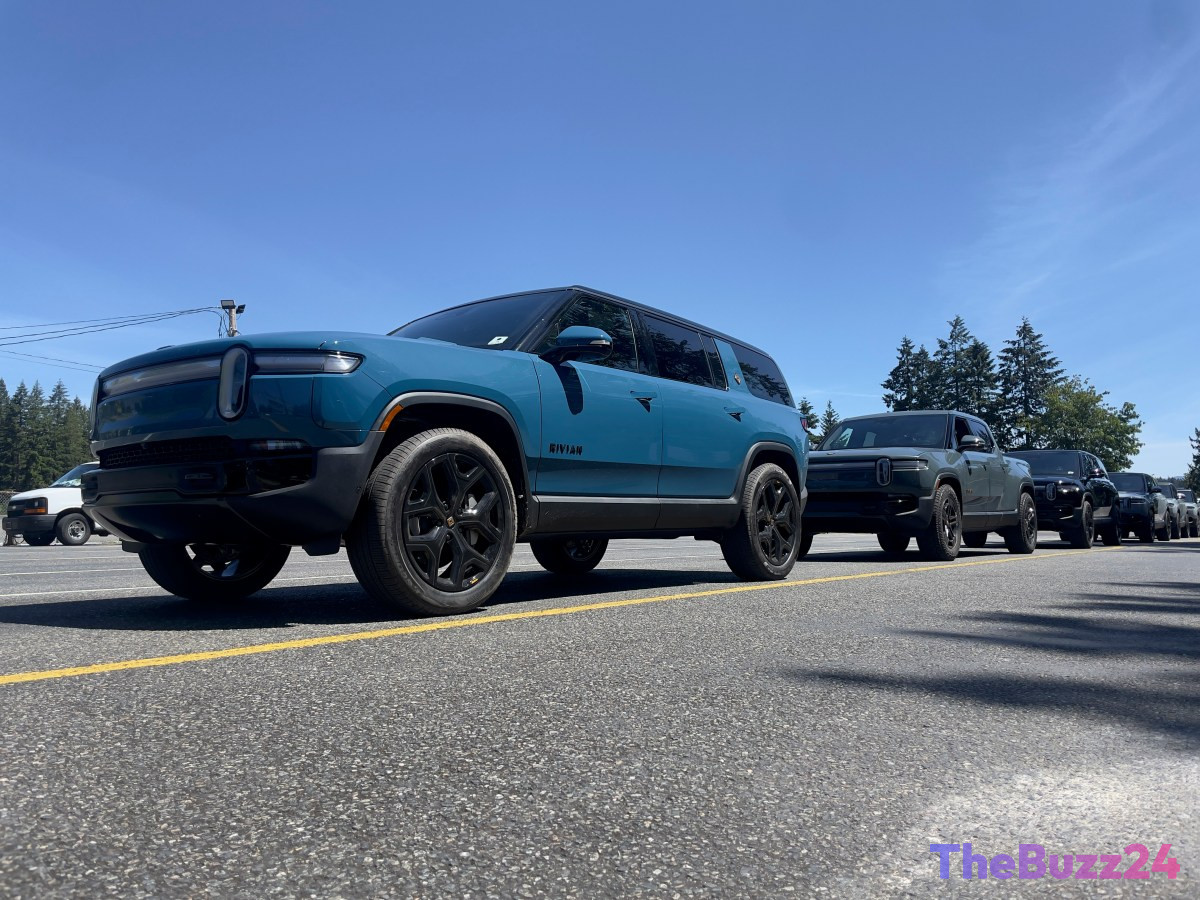
Federal safety regulators have initiated an investigation into electric vehicle manufacturer Rivian following reports of severe rear suspension failures that caused drivers to lose control of their vehicles. The National Highway Traffic Safety Administration’s (NHTSA) Office of Defects Investigation (ODI) is focusing on how the company services its rear suspension components, specifically looking at the rear toe link—a critical part responsible for keeping the wheels aligned. The probe could potentially impact nearly 115,000 model year 2023-2024 Rivian R1 vehicles.
The investigation was prompted by two alarming incidents where owners experienced sudden control loss after a bolt on the rear toe link fractured. In one instance, a driver traveling at highway speeds crashed head-on into a guardrail after colliding with another vehicle. In another case, an R1S veered wildly across multiple lanes and onto a sidewalk. Rivian had previously identified a “sensitivity to service procedures” regarding the toe link in March 2025, which led to updated repair guidelines and a subsequent recall of approximately 20,000 vehicles in January 2026 to address models serviced before the safety improvements were implemented.
Rivian has defended the integrity of its vehicles, stating that its internal data shows the R1 toe link joints are performing as designed. The automaker also pointed out that one of the compromised vehicles had been repaired at an independent, third-party facility. Nevertheless, the federal probe will scrutinize how the component responds to foreseeable road and service conditions, evaluate Rivian’s current repair protocols, and assess the safety of other R1 vehicles on the road.
This regulatory scrutiny comes at a critical juncture for Rivian, which is preparing to launch its highly anticipated, high-volume R2 SUV. To support its growing fleet, the company plans to expand its service network to over 150 locations by 2027. Rivian has emphasized that the upcoming R2 features a simplified mechanical design, which is expected to minimize assembly complexity, improve quality control, and reduce the frequency and cost of future maintenance.
Key Takeaways
- The NHTSA is investigating Rivian's rear suspension servicing after reports of toe link fractures causing drivers to lose control.
- The probe affects nearly 115,000 model year 2023-2024 Rivian R1 vehicles, following a prior recall of 20,000 units in early 2026.
- The investigation coincides with Rivian's upcoming launch of its mass-market R2 SUV, which features a simplified design aimed at reducing service issues.
Editor’s Analysis & Impact
This federal investigation presents a significant reputational and operational hurdle for Rivian at a highly sensitive moment. As the EV maker prepares to transition from a niche luxury brand to a mass-market competitor with the launch of the R2 SUV, maintaining consumer trust in vehicle safety is paramount. Suspension failures that lead to a total loss of steering control are among the most severe defects a vehicle can face. If the NHTSA mandates a wider recall or finds systemic flaws in Rivian’s service procedures, it could strain the company’s expanding service network and inflate warranty costs. However, Rivian’s proactive shift toward simpler mechanical designs in the R2 platform suggests the company is already learning from these early manufacturing and servicing complexities, which could safeguard its long-term market viability if executed successfully.
Frequently Asked Questions
Q: Which Rivian models are currently under investigation?
A: The investigation targets the 2023-2024 model year Rivian R1 vehicles, including the R1T pickup and R1S SUV, potentially affecting nearly 115,000 units.
Q: What is the specific mechanical issue being investigated?
A: Regulators are investigating the rear toe link, a suspension component that keeps the wheels straight. Reports indicate that bolts on this component can fracture, leading to a sudden and dangerous loss of vehicle control.
Q: How has Rivian responded to the safety concerns?
A: Rivian maintains that its data shows the toe link joints are operating as intended. The company previously updated its service procedures in 2025 and issued a recall for roughly 20,000 vehicles in early 2026 to address previously serviced parts.
AI Disclosure: This article is based on verified data and official reports. Our Team and AI have cross-referenced every financial detail with primary sources to ensure total accuracy.
More from this Category