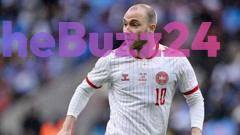
The Life-Saving Technology Behind Christian Eriksen’s Recent Cardiac Incident
Professional footballer Christian Eriksen has confirmed he is recovering at home following a recent medical emergency during an international match. The incident, which saw the athlete collapse on the pitch, was mitigated by an implantable cardioverter defibrillator (ICD) already present in his chest. Eriksen publicly credited the device for functioning exactly as intended, providing an immediate intervention that stabilized his heart rhythm when it became dangerously irregular.
An ICD acts as a sophisticated safety net for individuals with underlying heart conditions. Unlike a standard pacemaker, which primarily regulates slow heartbeats, an ICD is designed to detect life-threatening arrhythmias and deliver an electrical shock to reset the heart’s rhythm. For athletes like Eriksen, this technology serves as a critical safeguard, allowing for rapid recovery by eliminating the need for external defibrillation during the initial moments of a cardiac event. Medical experts describe the sensation of the device activating as a significant jolt, effectively ‘rebooting’ the heart’s electrical system.
While cardiac arrests in young, elite athletes remain rare, they highlight the importance of rigorous cardiac screening programs. Organizations across professional sports now mandate regular electrocardiograms and structural heart assessments for players to identify potential risks early. Despite the intensity of professional athletics, modern medical advancements and the use of ICDs have shifted the conversation from mandatory retirement to a more nuanced, risk-based approach, allowing many athletes to continue their careers under close medical supervision.
As the medical community continues to study these events, the focus remains on understanding the genetic and acquired factors that contribute to sudden cardiac issues in young people. With approximately 80% of such cases presenting no prior symptoms, the role of preventative screening and the reliability of internal monitoring devices like the ICD remain paramount in managing long-term health for both professional athletes and the general public.
Key Takeaways
- Christian Eriksen's implanted cardioverter defibrillator (ICD) successfully stabilized his heart during a recent cardiac event.
- ICDs function by detecting abnormal heart rhythms and delivering an internal shock to restore a normal heartbeat, acting as a life-saving safety net.
- Professional sports leagues have implemented mandatory cardiac screening programs to identify potential heart conditions in athletes before they become life-threatening.
Editor’s Analysis & Impact
The incident involving Christian Eriksen underscores a significant evolution in sports medicine and the integration of wearable/implantable technology in high-performance environments. The industry is moving away from a ‘blanket ban’ approach for athletes with heart conditions toward a personalized, data-driven model of care. This shift has profound implications for the future of professional sports, as it challenges traditional liability concerns while prioritizing athlete longevity. Economically, this drives further innovation in miniaturized medical devices and diagnostic screening tools. As these technologies become more effective and less invasive, we can expect a broader adoption of cardiac monitoring in amateur and youth sports, potentially reducing the incidence of sudden cardiac death globally. The long-term outlook suggests that medical technology will continue to bridge the gap between high-intensity physical performance and chronic condition management.
Frequently Asked Questions
Q: What is the difference between a pacemaker and an ICD?
A: A pacemaker is primarily used to correct a heart that beats too slowly by sending regular electrical signals. An ICD is designed to detect life-threatening, fast, or irregular heart rhythms and deliver a high-energy shock to reset the heart.
Q: Can athletes continue to play professional sports with an ICD?
A: Yes, many athletes have returned to professional play after receiving an ICD. However, it depends on the specific medical diagnosis, the athlete's recovery, and the regulations of the specific league or country in which they compete.
AI Disclosure: This article is based on verified data and official reports. Our Team and AI have cross-referenced every financial detail with primary sources to ensure total accuracy.
More from this Category