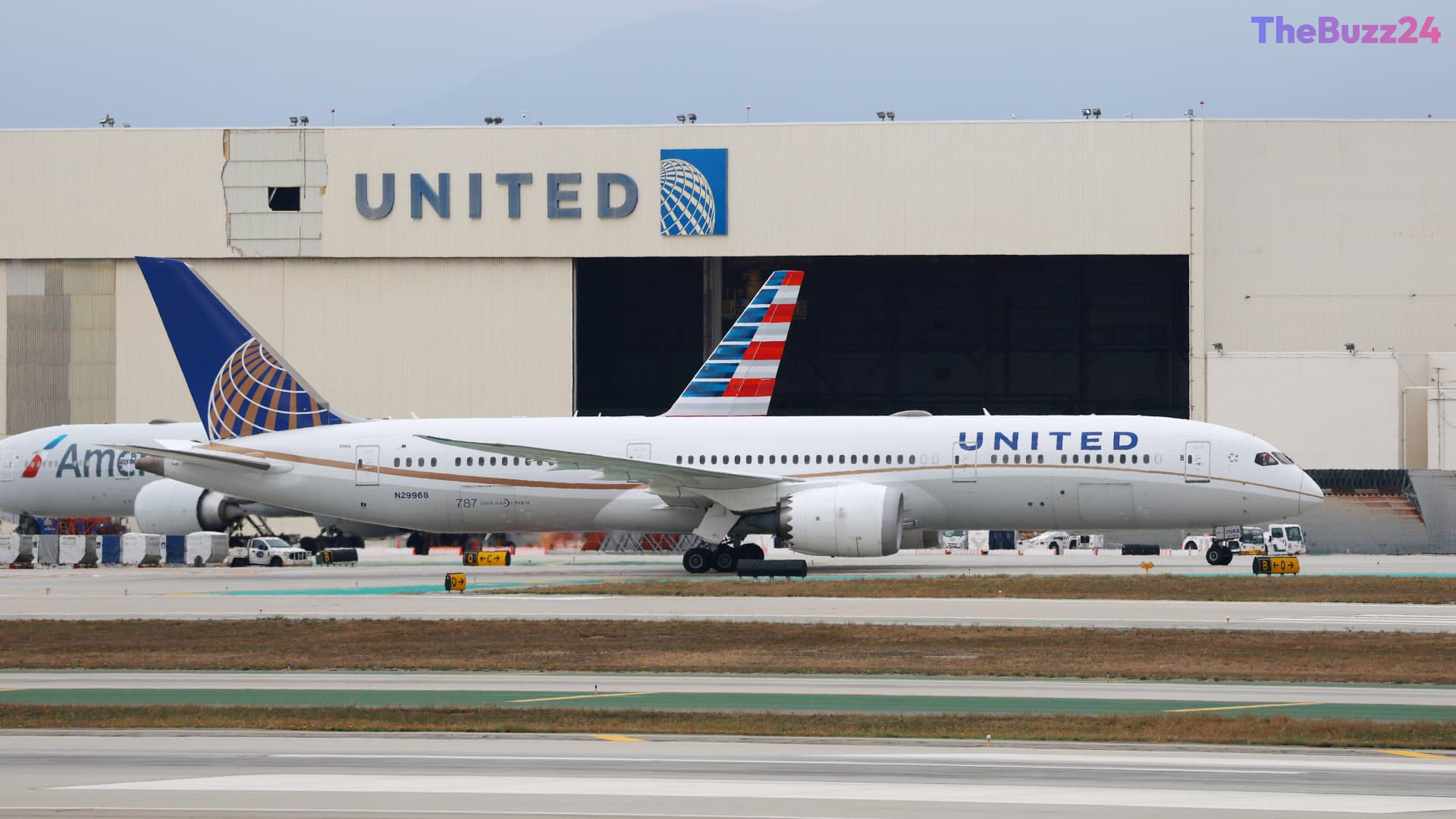
United Airlines CEO Rules Out Further Industry Consolidation
United Airlines CEO Scott Kirby has signaled that the era of major U.S. airline mergers may be coming to a close. Speaking at the International Air Transport Association’s annual meeting in Rio de Janeiro, Kirby emphasized that United is not interested in pursuing acquisitions simply for the sake of growth, noting that the current landscape offers few viable opportunities for meaningful consolidation.
Kirby, who has played a significant role in past industry mergers, highlighted the immense complexity involved in such transactions. He stressed that successful deals require alignment across a broad spectrum of stakeholders, including unions, shareholders, customers, and federal regulators. Reflecting on a previously floated idea to combine with American Airlines, Kirby noted that the lack of support from American’s management team effectively ended any potential for that partnership.
While the industry has seen recent activity—such as the combinations of Alaska Airlines and Hawaiian Airlines, as well as Allegiant and Sun Country—major carriers appear to be shifting their focus. Delta Air Lines has similarly expressed a preference for international partnerships and joint ventures over domestic mergers. As the U.S. domestic market reaches maturity, industry leaders are increasingly prioritizing global expansion and trans-Pacific competition over further domestic consolidation.
Key Takeaways
- United Airlines CEO Scott Kirby stated that there are no viable opportunities for further major airline mergers in the U.S.
- Successful airline consolidation requires unanimous support from unions, shareholders, regulators, and management, which is currently lacking.
- Major carriers like Delta and United are shifting their strategic focus toward international partnerships rather than domestic acquisitions.
Editor’s Analysis & Impact
The airline industry is reaching a critical inflection point where the traditional ‘growth by acquisition’ model is hitting a wall of regulatory scrutiny and operational complexity. By publicly dismissing further consolidation, leaders like Scott Kirby are acknowledging that the U.S. market is effectively saturated. The future of airline profitability now hinges on international connectivity and the efficiency of existing joint ventures. This pivot suggests that investors should expect less M&A-driven volatility in the sector and more focus on organic growth, fleet modernization, and the expansion of lucrative trans-Pacific and transatlantic routes. Regulatory hurdles, particularly under current antitrust climates, have made the cost-benefit analysis of large-scale mergers increasingly unfavorable, forcing airlines to compete through service differentiation and global alliances instead of market dominance through sheer size.
Frequently Asked Questions
Q: Why does Scott Kirby believe further airline mergers are unlikely?
A: Kirby cites the extreme difficulty of aligning all necessary stakeholders—including unions, regulators, and management teams—and notes that there are currently no economically sound opportunities available.
Q: What is the current strategy for major airlines like Delta and United?
A: Both airlines are moving away from domestic consolidation and are instead focusing on international partnerships, joint ventures, and expanding their presence in lucrative global markets.
AI Disclosure: This article is based on verified data and official reports. Our Team and AI have cross-referenced every financial detail with primary sources to ensure total accuracy.
More from this Category