Apple Shifts Strategy at WWDC: Prioritizing Transparency Following $250 Million Settlement
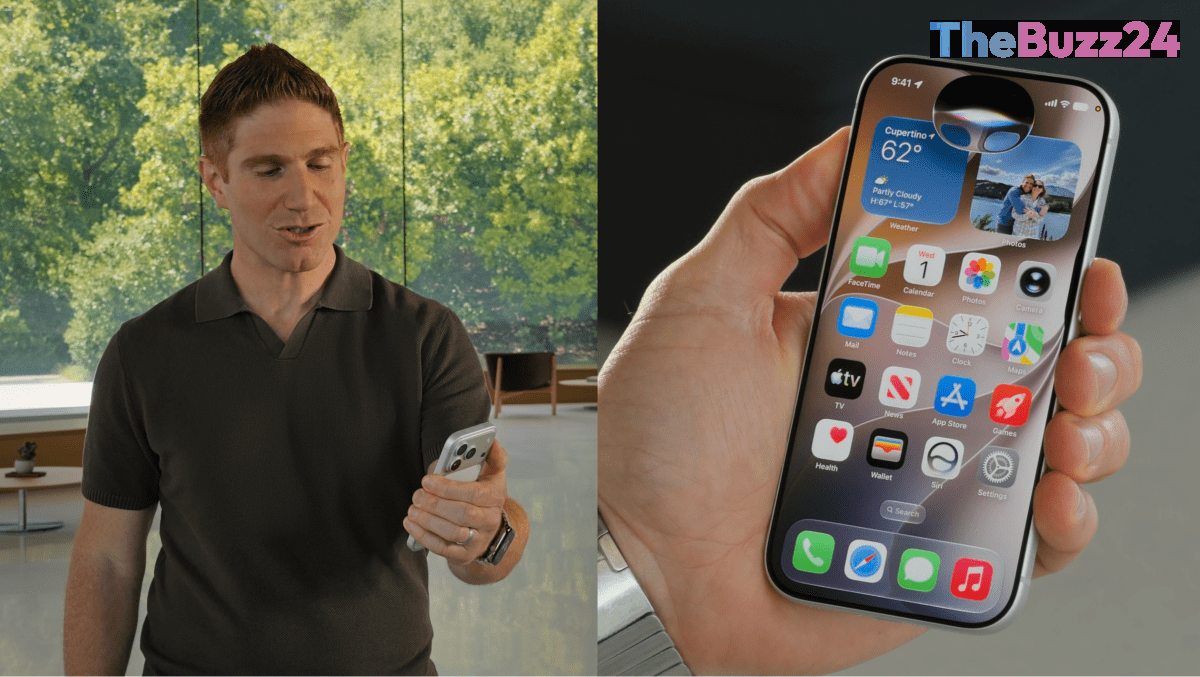
Apple’s 2026 Worldwide Developers Conference marked a significant pivot in how the tech giant presents its software advancements. Moving away from the highly polished, cinematic marketing videos that characterized its 2024 AI unveilings, the company opted for a more grounded approach. During this year’s keynote, many of the demonstrations featured real-time, on-device interactions, signaling a clear effort to prove that its latest AI features are functional and ready for consumer use rather than mere conceptual promises.
This shift in presentation style follows a turbulent period for the company, which recently settled a $250 million false advertising lawsuit. The legal challenge stemmed from the 2024 debut of ‘Apple Intelligence,’ where features showcased in promotional materials failed to materialize for users in a timely manner. By demonstrating the new Siri and other AI tools on actual hardware, Apple appears to be rebuilding consumer trust and mitigating the reputational damage caused by previous delays.
Beyond the change in demonstration tactics, Apple has also adjusted its hardware accessibility strategy. The company confirmed that the updated AI-powered Siri will be compatible with a wide range of existing devices, including the iPhone 15 Pro series and all iPhone 16 models. By extending support to older hardware, Apple is addressing past criticisms regarding upgrade pressure, ensuring that a broader segment of its user base can access the new features without needing to purchase the latest iPhone 17.
Key Takeaways
- Apple transitioned to 'live-like' device demonstrations at WWDC 2026 to prove feature functionality after facing a $250 million false advertising settlement.
- The company is moving away from purely cinematic, pre-produced marketing videos that previously led to accusations of 'vaporware.'
- New AI features, including the overhauled Siri, will be available on a wider range of existing hardware, including iPhone 15 Pro and iPhone 16 models, rather than being exclusive to the newest devices.
Editor’s Analysis & Impact
Apple’s 2026 WWDC presentation serves as a masterclass in corporate damage control. By pivoting to transparent, on-device demonstrations, the company is attempting to neutralize the ‘vaporware’ narrative that plagued its 2024 AI rollout. The $250 million settlement was a costly lesson in the dangers of over-promising in the competitive AI landscape. From a market perspective, this move is essential for maintaining brand equity; Apple’s premium pricing model relies heavily on the ‘it just works’ philosophy. By ensuring backward compatibility with older devices, Apple is also prioritizing user retention and ecosystem stability over short-term hardware upgrade cycles. This suggests a long-term strategy focused on software-as-a-service integration, where the value proposition is tied to the intelligence of the OS rather than the physical specifications of the latest handset.
Frequently Asked Questions
Q: Why did Apple change its demonstration style at WWDC 2026?
A: Apple shifted to live-like, on-device demonstrations to provide tangible proof that its AI features are functional, following a $250 million false advertising settlement related to unfulfilled promises from its 2024 event.
Q: Do I need the newest iPhone to use the updated Siri and AI features?
A: No. Apple has confirmed that the new AI features will be available on the iPhone 15 Pro, iPhone 15 Pro Max, and all iPhone 16 models, as well as various iPad and Mac devices with M1 chips or later.
AI Disclosure: This article is based on verified data and official reports. Our Team and AI have cross-referenced every financial detail with primary sources to ensure total accuracy.
More from this Category