Apple Addresses User Gripes with Software Overhaul Ahead of AI Push
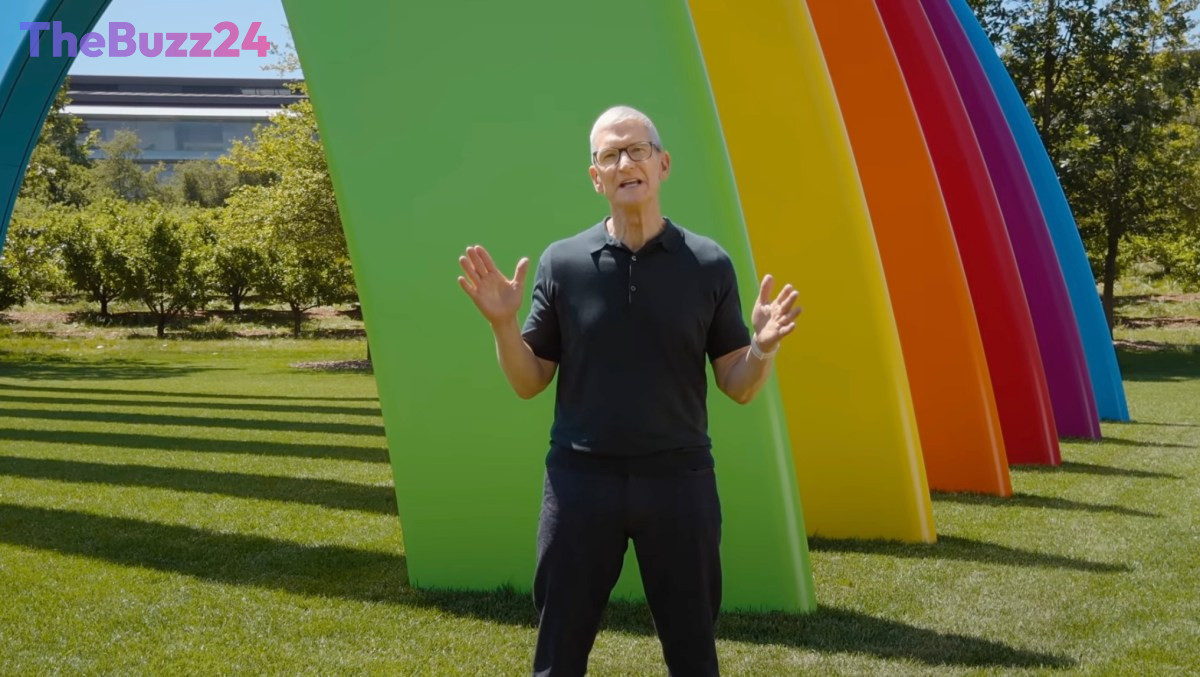
Apple’s annual Worldwide Developer Conference (WWDC) kicked off with a notable shift in focus, prioritizing a series of software refinements and user-requested fixes before diving into its much-anticipated artificial intelligence advancements. Senior Vice President of Software Engineering, Craig Federighi, dedicated a significant portion of the keynote to detailing improvements across core applications and operating systems, signaling a strategic move to shore up foundational elements before fully embracing AI.
The company acknowledged user feedback regarding recent design changes, particularly the ‘Liquid Glass’ aesthetic introduced in iOS 26, which had drawn criticism for readability and usability issues. Apple announced new customization options, including a slider to adjust the tint of the interface, allowing users to revert to a more traditional look. This, along with a more uniform toolbar in macOS and refined app icons, demonstrates a responsiveness to user experience concerns that have accumulated over the past two years as Apple worked to enhance its AI capabilities.
Beyond aesthetic adjustments, Apple unveiled substantial performance enhancements. Apps will now launch up to 30% faster on iPhones and iPads, photo loading times have been reduced by up to 70%, and AirDrop file transfers are up to 80% quicker. These improvements extend to older devices, with support reaching back to the iPhone 11. The company also addressed long-standing friction points, such as smoother Wi-Fi and cellular transitions, improved message delivery indicators, and a significantly rebuilt search function promising faster indexing and more relevant results in Mail. Furthermore, the Health app now includes tracking for perimenopause and menopause, a long-overdue addition catering to a significant user demographic.
While the AI-powered Siri and other ‘Apple Intelligence’ features were presented as the main event, their introduction followed a deliberate sequence of foundational updates. This strategic framing positions Siri’s beta launch, which will exclude certain regions like the EU and China due to regulatory considerations, as part of a broader ecosystem enhancement rather than a singular, make-or-break AI moment. The new AI capabilities extend to organizing web tabs, analyzing web content, generating custom Safari extensions, and offering smarter password suggestions and message replies. Image generation through ‘Image Playground’ has also been enhanced for practical use and will be made available to developers via an API, while photo editing tools now offer generative capabilities similar to those found in competing platforms.
Key Takeaways
- Apple prioritized software fixes and performance improvements at WWDC before showcasing its new AI features.
- User feedback on design and usability issues, like the 'Liquid Glass' aesthetic, has led to new customization options.
- Significant performance gains in app launching, photo loading, and file transfers were announced, alongside AI enhancements for Siri and other core functions.
Editor’s Analysis & Impact
Apple’s strategic decision to lead its WWDC keynote with software fixes and performance enhancements, rather than immediately diving into AI, suggests a calculated approach to rebuilding user trust and addressing long-standing criticisms. By focusing on ‘sweating the details,’ the company aims to solidify its core user experience before fully integrating its new AI capabilities. This move acknowledges the competitive landscape where rivals have already made significant AI strides. The emphasis on foundational improvements could bolster user confidence in the upcoming AI features, particularly the beta launch of Siri, which faces regional limitations. This strategy positions Apple not just as an innovator, but as a responsive platform provider, potentially mitigating risks associated with a premature or flawed AI rollout.
Frequently Asked Questions
Q: What is 'Liquid Glass' and why was it controversial?
A: 'Liquid Glass' is a design language introduced by Apple that aimed for a glass-like aesthetic in its user interfaces. It became controversial because some users found it negatively impacted readability and usability, leading to calls for more customization options.
Q: When will the AI-powered Siri be available?
A: The AI-powered Siri, part of 'Apple Intelligence,' is slated for a beta launch later this year. However, it will not be available in all regions immediately, with the EU and China facing delays due to regulatory hurdles.
Q: What are some of the key performance improvements announced?
A: Apple announced that apps will launch up to 30% faster, photos will appear up to 70% faster in the library, and AirDrop transfers will be up to 80% faster. These improvements are also being extended to older devices.
AI Disclosure: This article is based on verified data and official reports. Our Team and AI have cross-referenced every financial detail with primary sources to ensure total accuracy.
More from this Category