SpaceX IPO: The High-Stakes Engineering Moonshots Behind the Valuation
As SpaceX prepares for its highly anticipated public offering, investor enthusiasm remains high despite significant skepticism regarding the company’s ambitious financial roadmap. With institutional interest reportedly driving an over-subscribed offering, the market is betting heavily on Elon Musk’s vision to transform the company from a launch provider into a dominant force in orbital data centers and enterprise AI. This pivot represents a massive shift in strategy, requiring the successful execution of three distinct, high-difficulty engineering feats: achieving rapid rocket reusability, establishing a domestic chip foundry, and scaling satellite production to unprecedented levels.
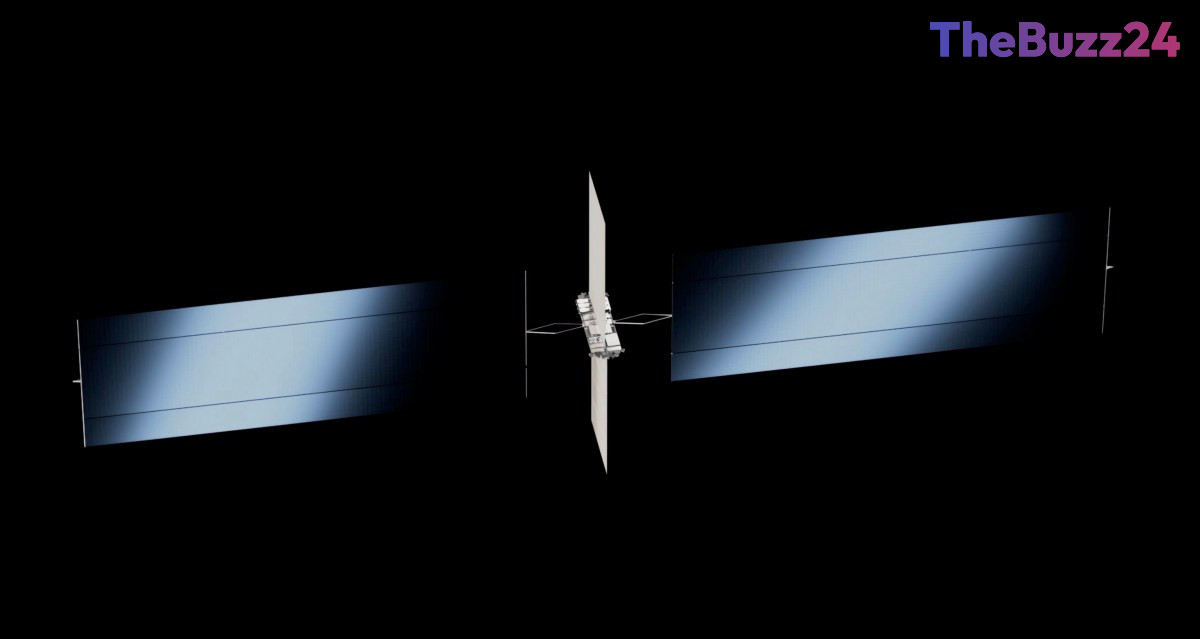
Financial analysts have expressed caution regarding the company’s valuation, which sits significantly higher than independent assessments. While the core space launch and satellite internet businesses provide a stable foundation, the premium pricing reflects a speculative bet on SpaceX’s ability to dominate the AI infrastructure market. The company’s strategy involves leveraging its unique capacity to deploy massive amounts of compute power into orbit, potentially positioning itself as a critical provider for the next generation of artificial intelligence models. However, this requires a production cadence that far exceeds current capabilities, including a massive ramp-up in satellite manufacturing and the development of specialized solar infrastructure.
The success of this vision hinges largely on the Starship program, which is essential for the cost-effective deployment of the necessary hardware. While recent test flights have shown progress, the path to full, rapid reusability remains fraught with technical and regulatory hurdles. Furthermore, the plan to construct a domestic chip foundry—a notoriously capital-intensive and time-consuming endeavor—adds another layer of complexity to an already aggressive timeline. Investors are essentially buying into a future where SpaceX successfully bridges the gap between aerospace dominance and AI infrastructure, a feat that remains unproven and technically daunting.
Key Takeaways
- SpaceX is pivoting toward orbital data centers and enterprise AI, aiming to become a major player in the AI infrastructure market.
- The company's valuation is heavily dependent on achieving near-impossible engineering goals, including rapid rocket reusability and domestic chip manufacturing.
- Financial analysts remain divided, with some valuing the company significantly lower than the IPO price due to the high risks associated with its AI-centric expansion.
Editor’s Analysis & Impact
The SpaceX IPO represents a unique intersection of aerospace and AI, creating a ‘neocloud’ model that is unprecedented in the current market. By attempting to control the entire stack—from the launch vehicle and satellite hardware to the compute power and AI models—SpaceX is betting that vertical integration will provide a moat that traditional cloud providers cannot replicate. However, the industry impact is twofold: if successful, it could commoditize space-based compute and accelerate AI development globally. If it fails, it risks significant capital erosion and could force a restructuring of the company’s ambitious roadmap. The broader implication is a shift in how we view space infrastructure, moving from a tool for communication to a critical component of the global AI compute supply chain, though the timeline for such a transition remains highly speculative.
Frequently Asked Questions
Q: What are the three main engineering challenges SpaceX must overcome for its new strategy?
A: SpaceX must achieve fully reusable rockets, build a high-rate production facility for AI-capable satellites, and successfully establish a domestic chip foundry.
Q: Why are some financial analysts skeptical of the SpaceX IPO valuation?
A: Analysts are concerned that the company's valuation is inflated by speculative AI projects that have yet to be proven, noting that the company's own projections for satellite production and infrastructure development are significantly more aggressive than current industry standards.
AI Disclosure: This article is based on verified data and official reports. Our Team and AI have cross-referenced every financial detail with primary sources to ensure total accuracy.
More from this Category