Avalanche Achieves Fusion Milestone: Desktop Reactor Heats Plasma to 11 Million Degrees Celsius
In a significant advancement for fusion energy, startup Avalanche has announced its desktop-scale fusion prototype has successfully heated plasma to approximately 11 million degrees Celsius. This critical milestone, nearly as hot as the Sun’s core, is a key step towards achieving net energy gain in fusion reactions. The company reported achieving this feat with an investment of less than $50 million, positioning itself as a potentially cost-effective player in the race for fusion power.
Plasma physicists measure the extreme temperatures within fusion experiments using kiloelectron volts (keV), with exceeding 1 keV being a benchmark that garners significant attention in the field. Avalanche’s achievement surpasses this threshold, indicating the potential for its reactor to create conditions conducive to fusion. While this milestone does not guarantee a functional fusion power plant, it strongly suggests the startup is progressing towards generating more energy from fusion than is consumed to initiate the process.
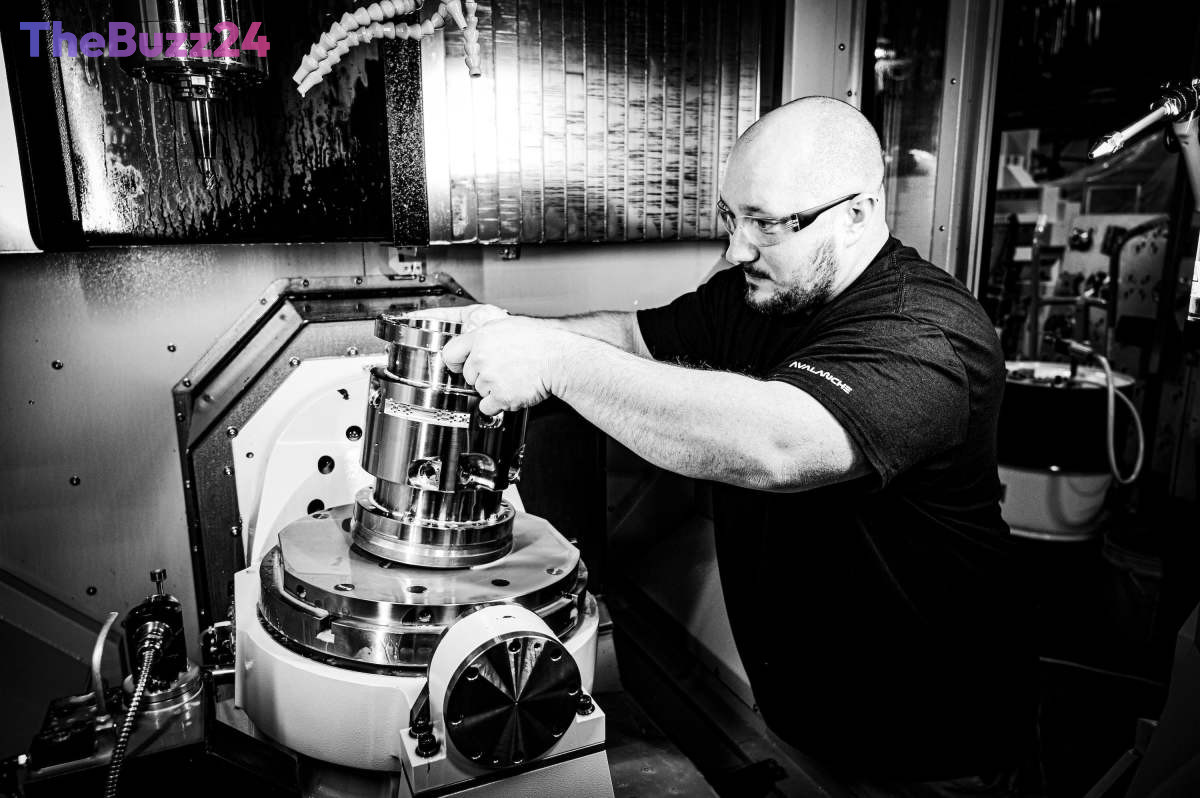
Unlike many competitors focusing on large, megawatt-scale reactors, Avalanche is pursuing a smaller, more agile approach. Their compact fusion core, named Jyn, measures only five inches in diameter and has undergone 25 iterations since last fall. This strategy of developing smaller, potentially less expensive fusion devices could offer a disruptive alternative to existing energy technologies like diesel generators and natural gas turbines, should it prove successful in scaling up.
While the results have not yet been published in a peer-reviewed journal, Avalanche states the findings were validated by an independent plasma physicist from MIT. The company’s focus on smaller, iterative prototypes aims to accelerate development and demonstrate the viability of fusion power at more manageable scales.
Key Takeaways
- Avalanche's desktop fusion prototype has heated plasma to 11 million degrees Celsius, a significant milestone in fusion energy research.
- The startup achieved this feat with under $50 million in venture funding, suggesting a potentially more cost-effective path to fusion power.
- Avalanche's small-scale reactor design contrasts with larger competitor approaches and could offer a disruptive energy solution if successful.
Editor’s Analysis & Impact
Avalanche’s announcement marks a notable step in the pursuit of practical fusion energy. By achieving such high plasma temperatures in a compact, cost-effective prototype, the company challenges the prevailing notion that fusion power requires massive, capital-intensive infrastructure. This development could accelerate the timeline for fusion energy deployment and diversify the energy landscape, potentially offering a cleaner, more sustainable alternative to fossil fuels. The success of their smaller-scale approach, if it can be scaled to produce net energy, would have significant implications for decentralized power generation and the global energy transition.
Frequently Asked Questions
Q: What is the significance of heating plasma to 11 million degrees Celsius?
A: Heating plasma to such extreme temperatures is a crucial step in fusion energy research because it increases the likelihood of atomic nuclei colliding and fusing, which releases energy. It's a key indicator that the conditions necessary for a self-sustaining fusion reaction are being met.
Q: How does Avalanche's approach differ from other fusion startups?
A: Avalanche is focusing on developing smaller, desktop-scale fusion reactors, which they believe are easier to iterate and potentially less expensive to build. This contrasts with many other fusion startups that are pursuing larger, more complex reactor designs.
Q: Has Avalanche's achievement been peer-reviewed?
A: No, the results have not yet been published in a peer-reviewed journal. However, Avalanche states that the findings were validated by a plasma physicist from MIT.
AI Disclosure: This article is based on verified data and official reports. Our Team and AI have cross-referenced every financial detail with primary sources to ensure total accuracy.
More from this Category