BTS Phenomenon: ‘Bangtan-nomics’ Poised to Reshape South Korea’s Economic Future
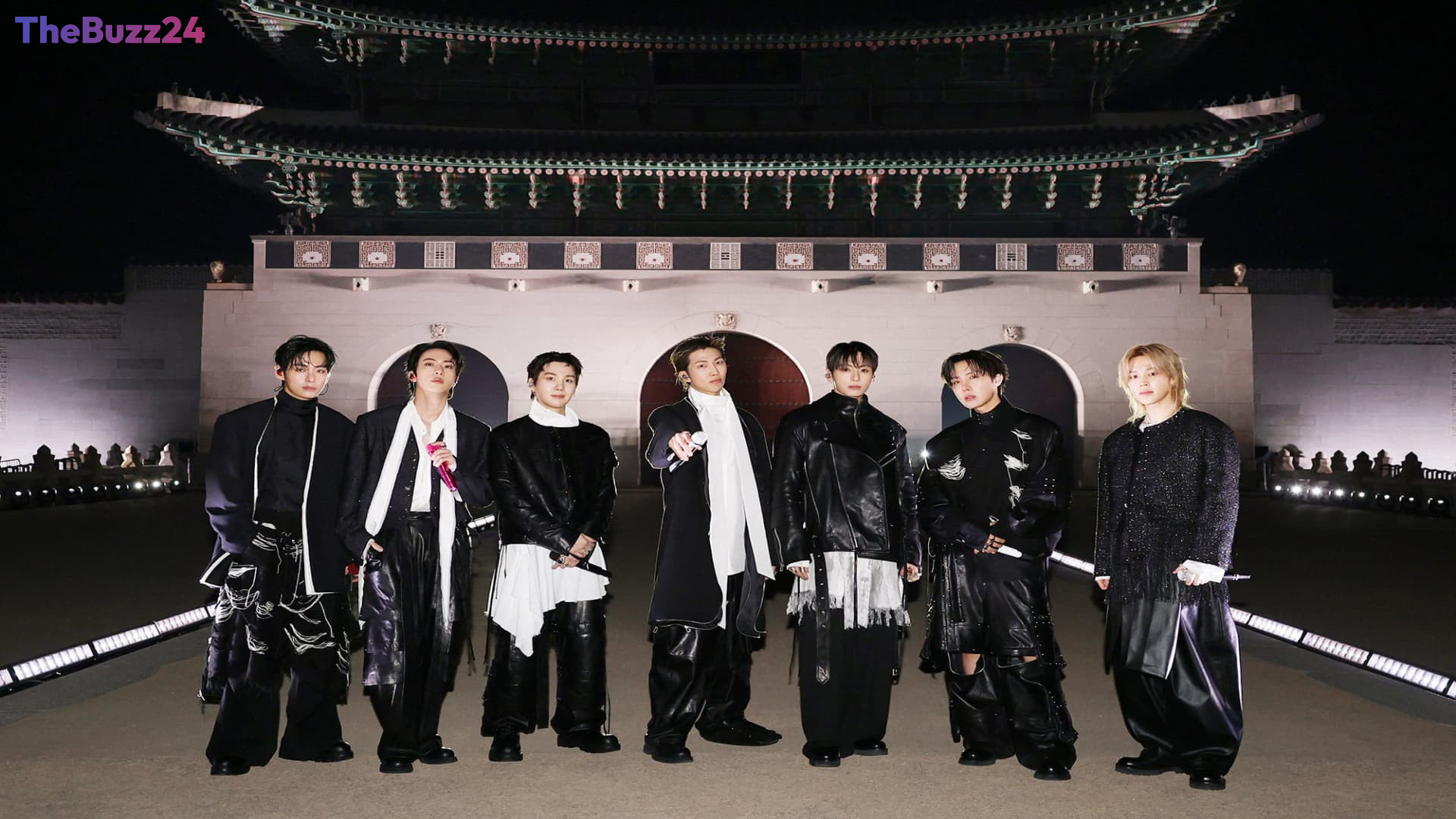
The global phenomenon of K-pop group BTS is generating significant economic buzz, with analysts coining the term ‘Bangtan-nomics’ to describe its potential impact on South Korea’s economy. Tens of thousands of devoted fans, known as ARMY, are expected to converge on Busan for the group’s ‘Arirang’ tour, injecting substantial spending into the local economy through accommodation, dining, and merchandise.
This surge in fan-driven economic activity echoes trends seen with other global music sensations, such as Taylor Swift’s ‘Eras Tour’ and its associated ‘Swiftnomics.’ NH Securities, a South Korean brokerage, has detailed a pathway for this economic influence, suggesting that initial fan engagement through streaming, albums, and merchandise gradually expands to encompass Korean beauty, food, and fashion, ultimately culminating in tourism. The brokerage projects that by 2040, BTS fan spending could contribute as much as 0.35 percentage points annually to South Korea’s GDP, a figure that could translate to billions of dollars.
Early indicators suggest a strong correlation between BTS events and increased tourist spending. Reports indicate that fans attending previous BTS concerts in South Korea tend to extend their stays and spend more than general tourists. Research from Korea University has also found that a vast majority of foreign concert attendees plan to revisit Seoul multiple times, highlighting the long-term appeal and economic potential generated by the group’s concerts. The immense demand for the Busan concerts has even prompted local authorities to intervene in cases of price gouging and to expand accommodation options.
However, experts caution against assuming a guaranteed economic trajectory. Factors such as geopolitical shifts, exemplified by past restrictions on Korean cultural exports to China, and the inherently volatile nature of fan-driven emotional attachments, could disrupt this economic pipeline. While the ‘Bangtan-nomics’ model presents a plausible scenario, forecasts must incorporate these non-linear risks. Nevertheless, alongside other elements of the ‘Hallyu’ wave, BTS is recognized as a powerful contributor to South Korea’s soft power and economic landscape, with its influence expected to endure.
Key Takeaways
- The economic impact of BTS is being termed 'Bangtan-nomics,' reflecting its potential to significantly boost South Korea's GDP.
- Fan spending is expected to drive tourism, with projections suggesting a substantial annual contribution to the country's GDP by 2040.
- While promising, the economic impact faces potential disruptions from geopolitical factors and the inherent instability of fan-driven engagement.
Editor’s Analysis & Impact
The ‘Bangtan-nomics’ phenomenon underscores the immense commercial power of global pop culture and its ability to translate fandom into tangible economic benefits. For South Korea, BTS represents a potent engine for tourism and a significant driver of consumer spending across various sectors, from retail to hospitality. This case study highlights the growing importance of ‘soft power’ assets in national economic strategy. However, the reliance on emotional engagement and susceptibility to external geopolitical pressures present a clear risk. Future economic planning must therefore balance the exploitation of these cultural assets with strategies to mitigate volatility and ensure sustained growth beyond the peak of current popularity.
Frequently Asked Questions
Q: What is 'Bangtan-nomics'?
A: 'Bangtan-nomics' is a term coined to describe the significant economic impact generated by the global K-pop group BTS and its fanbase, ARMY, on South Korea's economy.
Q: How is BTS expected to boost South Korea's economy?
A: BTS is expected to boost the economy through increased tourism, fan spending on merchandise, albums, and related cultural products (like K-beauty and K-food), and by fostering long-term interest in visiting South Korea.
Q: What are the potential risks to the 'Bangtan-nomics' forecast?
A: Potential risks include geopolitical tensions that could affect cultural exports, and the inherent instability of fan engagement, which is primarily driven by emotional connections.
AI Disclosure: This article is based on verified data and official reports. Our Team and AI have cross-referenced every financial detail with primary sources to ensure total accuracy.
More from this Category