Todd Blanche Advances to Full Senate Vote Amid Growing GOP Opposition
The Senate Judiciary Committee has narrowly advanced the nomination of Todd Blanche for Attorney General, voting 12-10 to send the pick to the full Senate floor. The committee vote followed a strategic agreement between Blanche and key Republican senators John Cornyn and Thom Tillis, who had previously withheld their support until receiving written confirmation that the controversial ‘anti-weaponization fund’ would be terminated.
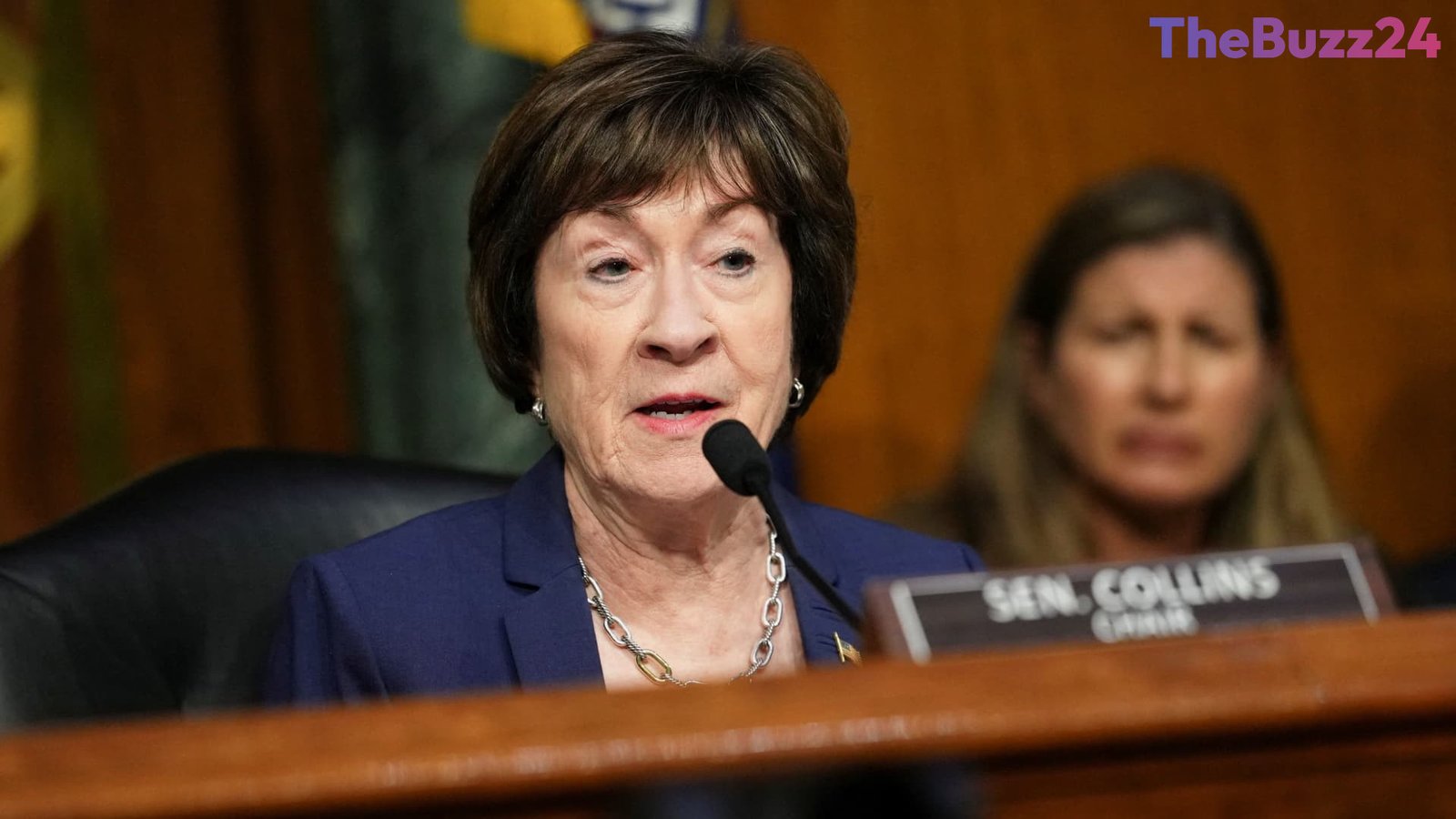
Despite the committee’s approval, Blanche faces a precarious path to confirmation. Senator Susan Collins of Maine has officially announced her opposition, citing concerns over the Department of Justice’s perceived lack of independence under Blanche’s tenure. Collins specifically pointed to Blanche’s involvement in a tax settlement involving the Trump family and his stated intentions regarding the regulation of abortion medication as primary drivers for her ‘no’ vote.
With Republicans holding a slim 53-47 majority and Senator Mitch McConnell currently absent due to medical reasons, the margin for error is razor-thin. Blanche can afford to lose no more than two Republican votes to secure his position. The decisions of Senators Lisa Murkowski and Bill Cassidy remain pivotal, as their potential opposition could effectively block the nomination. Meanwhile, Senate Democrats remain skeptical of the assurances provided regarding the ‘anti-weaponization fund,’ with some labeling the documentation provided by Blanche as insufficient to guarantee the program’s permanent dissolution.
Key Takeaways
- Todd Blanche's nomination for Attorney General cleared the Senate Judiciary Committee with a 12-10 vote.
- Senator Susan Collins has become the first Republican to publicly oppose the nomination, citing concerns over DOJ independence.
- Blanche's confirmation now hinges on a narrow Senate floor vote, where he can afford no more than two GOP defections.
Editor’s Analysis & Impact
The nomination of Todd Blanche represents a critical stress test for the incoming administration’s ability to navigate a fractured legislative environment. The opposition from moderate Republicans like Susan Collins underscores a broader anxiety regarding the politicization of the Department of Justice. If Blanche fails to secure the necessary votes, it would signal a significant legislative setback for the executive branch early in its term. The controversy surrounding the ‘anti-weaponization fund’ highlights the tension between executive authority and congressional oversight. Moving forward, the administration must balance its desire for ideological alignment within the DOJ against the practical necessity of maintaining a unified caucus. The outcome of this confirmation will likely set the tone for future cabinet appointments and the overall relationship between the White House and the Senate.
Frequently Asked Questions
Q: Why is the 'anti-weaponization fund' a point of contention?
A: Critics and some senators argue the fund could be used to target political opponents or bypass traditional oversight, leading to concerns about the Department of Justice's neutrality.
Q: How many votes does Todd Blanche need to be confirmed?
A: Blanche needs 50 votes on the Senate floor. Given the current Republican majority and the absence of Senator Mitch McConnell, he can afford to lose no more than two Republican votes.
AI Disclosure: This article is based on verified data and official reports. Our Team and AI have cross-referenced every financial detail with primary sources to ensure total accuracy.
More from this Category