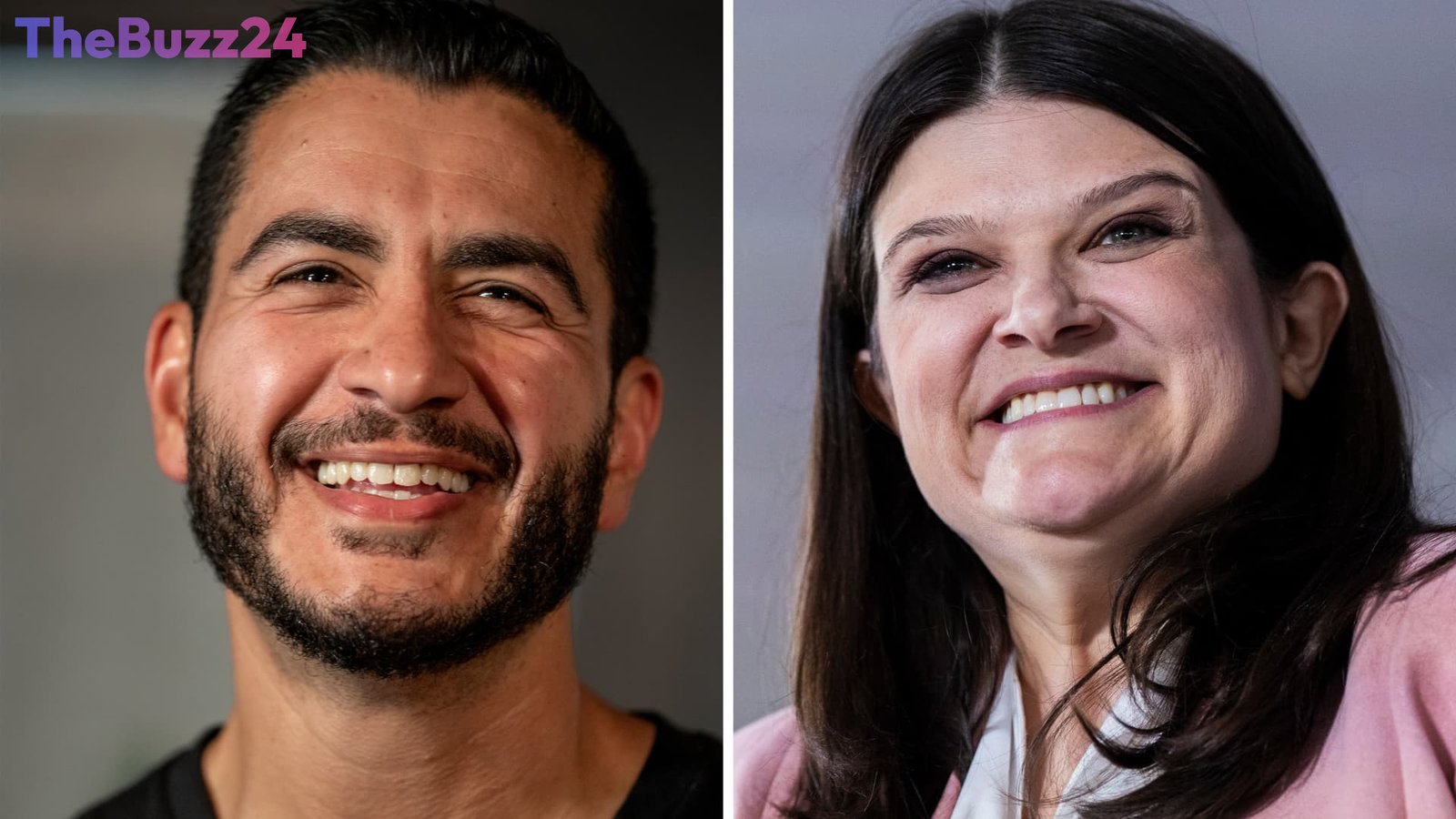
Michigan Senate Race: El-Sayed and Stevens Vie for Democratic Nod in Crucial Primary
Michigan voters are set to decide on Tuesday between former public health official Abdul El-Sayed and incumbent Rep. Haley Stevens for the Democratic nomination in a closely watched race for an open U.S. Senate seat. This contest is considered pivotal for both parties aiming to control the Senate.
The primary has garnered significant attention, with El-Sayed, representing a progressive wing, and Stevens, a more moderate Democrat, engaging in debates on key issues such as AI data centers and U.S. foreign policy. Recent polling suggests El-Sayed holds an advantage heading into the election.
Whoever emerges victorious will face Republican candidate Mike Rogers in the general election this November. The outcome in Michigan, a critical swing state that has narrowly favored both parties in recent presidential elections, is expected to offer insights into the national political mood two years ahead of the next presidential contest. The race is particularly significant as it could influence the balance of power in the Senate and shape the future direction of the Democratic Party.
El-Sayed has secured endorsements from prominent progressive figures, including Senator Bernie Sanders and Representative Alexandria Ocasio-Cortez, bolstering his campaign’s left-leaning appeal. Conversely, Stevens has garnered support from key Michigan Democratic leaders, such as Governor Gretchen Whitmer and former Senator Debbie Stabenow. Stevens’ campaign emphasizes her proven ability to win in a competitive district, having previously flipped a seat from Republican to Democratic control, and argues she is best positioned to defeat Rogers in the general election. The race was initially a three-way contest but narrowed to two candidates after State Senator Mallory McMorrow withdrew in July.
The campaign has seen sharp exchanges between the two candidates. El-Sayed has criticized foreign policy decisions, advocating for domestic investment, while Stevens has portrayed El-Sayed as an extremist and a favorable opponent for Republicans. These dynamics are playing out against a backdrop of national political rhetoric, with some Republican figures characterizing the Democratic primary as a contest between far-left ideologies, though neither candidate identifies with such labels.
Key Takeaways
- Abdul El-Sayed and Haley Stevens are competing for the Democratic nomination for Michigan's open Senate seat.
- The primary is seen as crucial for determining Senate control and reflects broader trends within the Democratic Party.
- The winner will face Republican Mike Rogers in the general election, with Michigan's swing state status making the race highly significant.
Editor’s Analysis & Impact
This Michigan Senate primary is a microcosm of the broader ideological battles within the Democratic Party, pitting progressive ideals against more moderate approaches. The outcome will not only determine who challenges the Republican nominee but could also signal the strength of progressive movements in key swing states. The focus on issues like AI data centers highlights the growing intersection of technology and policy in electoral politics. Furthermore, the race’s significance for Senate control underscores the high stakes for both parties, making Michigan a critical battleground that could influence national political trajectories.
Frequently Asked Questions
Q: Who are the main candidates in the Michigan Democratic Senate primary?
A: The main candidates are Abdul El-Sayed, a former public health official with a progressive platform, and Rep. Haley Stevens, a more moderate Democrat.
Q: Why is this Michigan Senate race considered so important?
A: Michigan is a crucial swing state, and the outcome of this primary could significantly impact which party controls the U.S. Senate. It also provides insights into the national political climate.
Q: What key issues have been debated during the primary campaign?
A: Key issues discussed include AI data centers and U.S. foreign policy, particularly regarding aid to Israel. The candidates also differ on their approach to economic and social policies.
AI Disclosure: This article is based on verified data and official reports. Our Team and AI have cross-referenced every financial detail with primary sources to ensure total accuracy.
More from this Category