SpaceX Prepares for Landmark IPO as Executives Pivot Toward Long-Term AI and Space Infrastructure
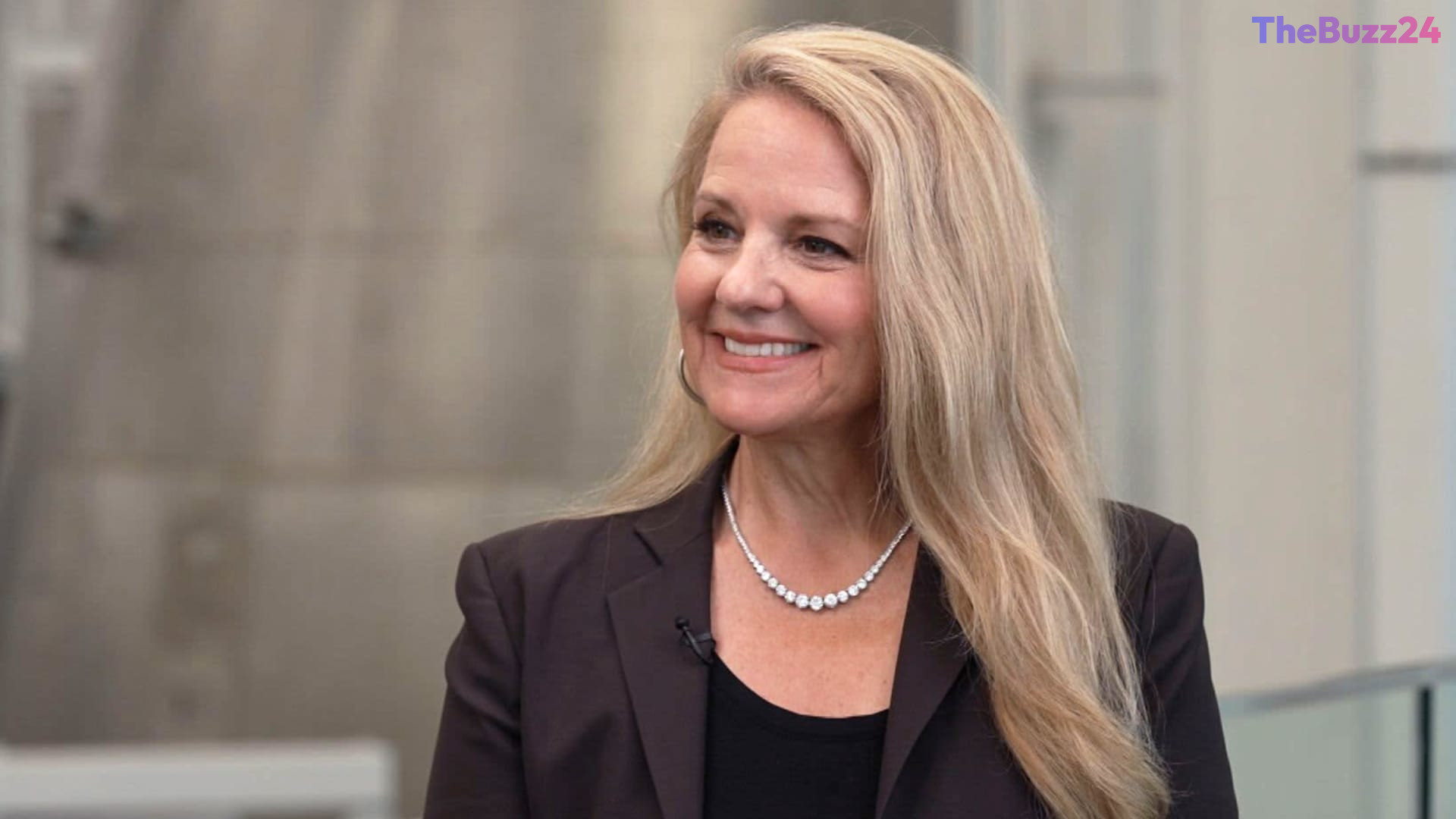
SpaceX is moving toward a highly anticipated initial public offering, marking a significant shift for the aerospace giant that has long operated as a private entity. Chief Operating Officer Gwynne Shotwell, who has served as a key leader alongside founder Elon Musk since the company’s inception in 2002, indicated that the timing is finally appropriate for the firm to enter the public markets. While the company previously prioritized long-term development over quarterly financial reporting, Shotwell believes the necessary infrastructure is now mature enough to support public shareholders.
The company’s valuation, estimated at approximately $1.77 trillion, positions it to debut as one of the most valuable corporations in the United States. This valuation reflects a business model that has evolved from a pure-play rocket manufacturer into a vertically integrated technology conglomerate. By leveraging the success of its Falcon launch fleet and the Starlink satellite constellation, SpaceX has established a dominant position in the space economy. The firm is now aggressively expanding into artificial intelligence, integrating xAI and developing massive data center projects like Colossus to support high-compute demands.
Central to the company’s future growth is the Starship program, a fully reusable launch vehicle designed to drastically reduce the cost of orbital transport. Shotwell emphasized that the company’s strategy involves ‘productive failure,’ where aggressive testing cycles accelerate technical progress. As SpaceX prepares for its public debut, it faces the challenge of balancing its ambitious, multi-decade goals—such as human colonization of Mars—with the expectations of public investors who are accustomed to more traditional growth metrics.
Despite the scale of the upcoming IPO, the company maintains a unique governance structure that grants Elon Musk supermajority voting control. Shotwell defended this arrangement, asserting that Musk’s leadership is essential to the company’s mission-driven culture. As the firm explores potential mergers and acquisitions to bolster its AI and semiconductor capabilities, it remains focused on its core mission of expanding human reach into space while building the foundational infrastructure for a new industrial revolution.
Key Takeaways
- SpaceX is preparing for a massive IPO with a valuation near $1.77 trillion, potentially making it one of the most valuable companies in the U.S.
- The company is shifting its focus toward a vertically integrated tech stack that combines aerospace capabilities with AI infrastructure and semiconductor manufacturing.
- Starship remains the critical driver for future growth, with the company aiming to achieve full reusability to slash launch costs and enable space-based data centers.
Editor’s Analysis & Impact
The transition of SpaceX from a private aerospace firm to a public titan represents a watershed moment for the global economy. By positioning itself as a ‘railroad’ for the new industrial revolution, SpaceX is attempting to bridge the gap between traditional aerospace and the high-growth AI sector. The market impact will be profound; if successful, the company will effectively set the standard for space-based infrastructure. However, the valuation—based on aggressive revenue multiples—suggests that investors are betting heavily on Musk’s ability to execute on long-term, high-risk projects like Mars colonization and AI compute satellites. The broader implication is a shift in how capital markets value ‘deep tech’ companies, moving away from short-term profitability toward long-term, asset-heavy infrastructure dominance. The success of this IPO will likely dictate the pace of private investment in the broader space and AI industries for the next decade.
Frequently Asked Questions
Q: Why did SpaceX decide to go public now?
A: According to COO Gwynne Shotwell, the company has reached a level of maturity where its various business units, including Starlink and AI infrastructure, have established the necessary building blocks to function effectively as a publicly traded entity.
Q: How does SpaceX plan to integrate AI into its space operations?
A: SpaceX is developing a vertically integrated tech stack that includes building data centers on Earth and eventually deploying AI compute satellites in orbit to solve issues related to power and land scarcity.
AI Disclosure: This article is based on verified data and official reports. Our Team and AI have cross-referenced every financial detail with primary sources to ensure total accuracy.
More from this Category