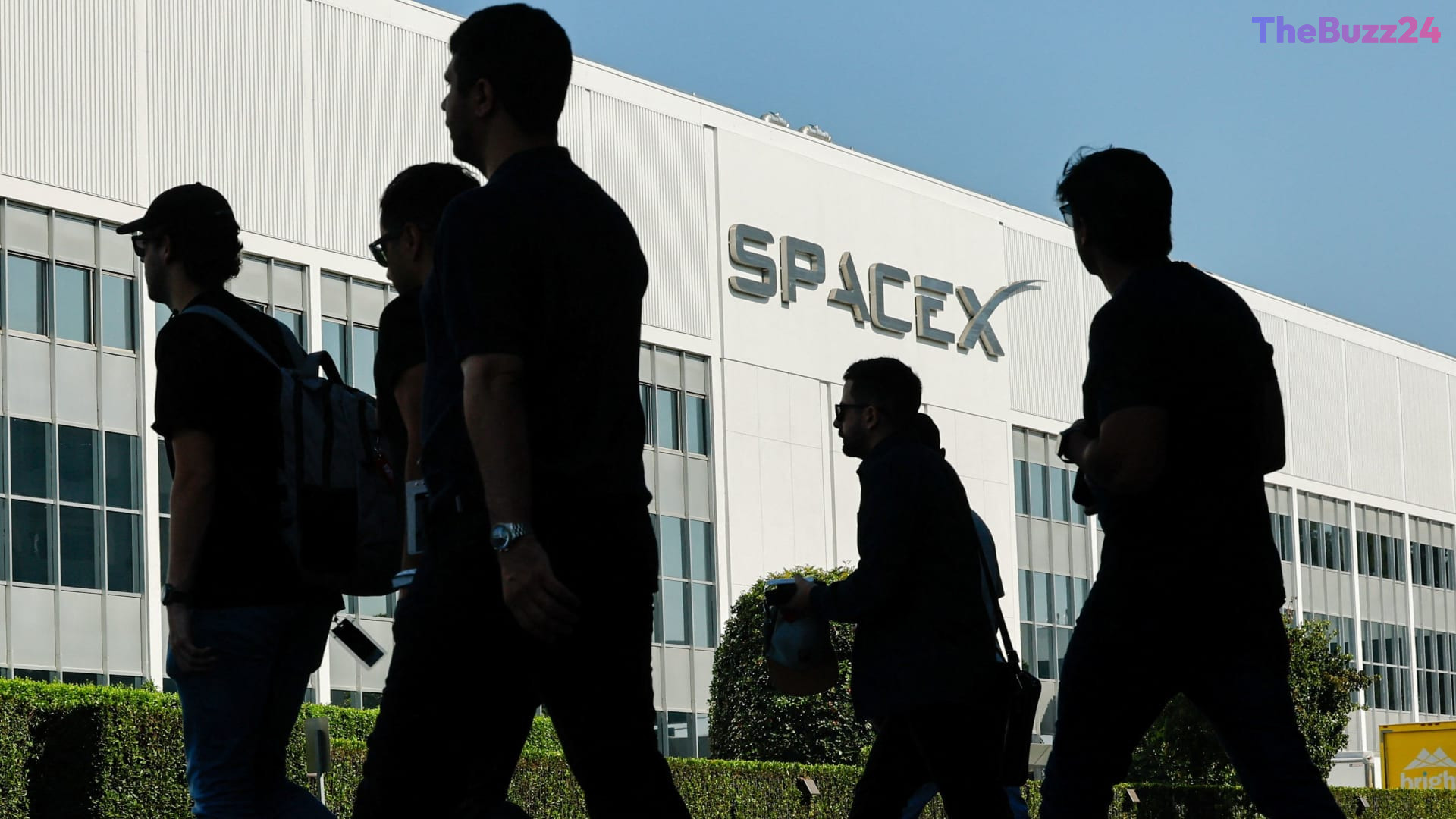
SpaceX’s $1.77 Trillion Valuation Hinges on ‘Moonshot’ Success and Potential Tesla Merger, Says Former Board Member
Aerospace giant SpaceX is preparing for a historic public listing that could value the company at a staggering $1.77 trillion. The company plans to raise $75 billion by offering 555.6 million shares priced at $135 each. This massive valuation would position SpaceX as the seventh most valuable company in the United States, eclipsing even Elon Musk’s electric vehicle venture, Tesla. However, sustaining this astronomical valuation will require the company to successfully execute its highly ambitious, multi-faceted business model.
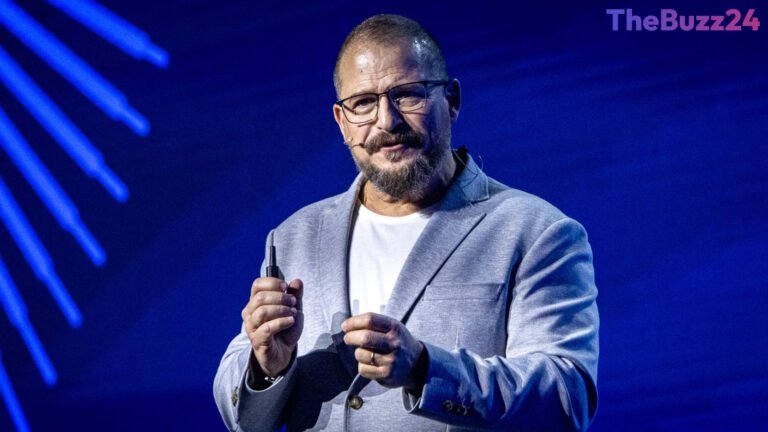
According to venture capitalist and former Tesla board member Steve Westly, SpaceX’s valuation is tied to three distinct “moonshot” ventures operating under one corporate umbrella. These include the core reusable rocket launch business, the Starlink satellite internet constellation—which currently generates the majority of the company’s revenue and stands as its sole profitable division—and the newly integrated artificial intelligence startup, xAI, which merged with SpaceX earlier this year. Westly suggests that SpaceX must achieve definitive success in at least two of these three sectors to justify and maintain its near-$2 trillion market value.
Beyond the immediate challenges of its diverse business units, speculation is mounting regarding a potential consolidation of Elon Musk’s corporate empire. Industry insiders have noted a significant sharing of resources between Tesla and SpaceX, leading to discussions about a future merger between the two giants. While such a move would undoubtedly face intense regulatory scrutiny and corporate governance challenges, experts like Westly view an eventual tie-up as highly probable, potentially reshaping the landscape of both the automotive and aerospace industries.
Key Takeaways
- SpaceX is targeting a historic $1.77 trillion valuation through an upcoming public offering, aiming to raise $75 billion.
- The company's valuation relies on three distinct 'moonshots': its core rocket business, the profitable Starlink internet service, and the recently merged xAI.
- A future merger between Tesla and SpaceX is considered highly likely by industry insiders, despite expected governance and regulatory hurdles.
Editor’s Analysis & Impact
SpaceX’s transition toward a public listing represents a watershed moment for the private space and technology sectors. By bundling high-risk, high-reward ventures like space exploration, global satellite internet, and cutting-edge artificial intelligence (via xAI) under one roof, SpaceX has created a unique conglomerate model. While Starlink provides the necessary cash flow to support these endeavors, the long-term sustainability of a $1.77 trillion valuation depends on proving that AI and deep-space exploration can yield comparable commercial returns. Furthermore, the looming possibility of a Tesla-SpaceX merger introduces unprecedented governance questions. If realized, such a consolidation would create a mega-conglomerate spanning automotive, energy, aerospace, and AI, fundamentally altering how public markets value multi-industry technology giants.
Frequently Asked Questions
Q: What are the three 'moonshot' businesses driving SpaceX's valuation?
A: The three core businesses are SpaceX's reusable rocket launch division, the Starlink satellite internet service (which is currently the company's primary revenue driver and only profitable unit), and xAI, the artificial intelligence venture merged into SpaceX in early 2025.
Q: How much is SpaceX planning to raise in its upcoming IPO?
A: SpaceX is planning to raise $75 billion by offering 555.6 million shares at $135 per share, which would value the company at approximately $1.77 trillion.
Q: Is a merger between Tesla and SpaceX actually possible?
A: While a merger would face significant corporate governance challenges and shareholder scrutiny, industry experts and insiders suggest it is highly likely in the future due to the extensive sharing of resources and overlapping strategic goals between the two Elon Musk-led companies.
AI Disclosure: This article is based on verified data and official reports. Our Team and AI have cross-referenced every financial detail with primary sources to ensure total accuracy.
More from this Category