Navigating Grief and Tradition: DR Congo’s Ebola Outbreak Demands New Burial Practices
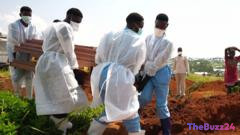
The Nyamurongo cemetery in Bunia, a city in the north-eastern Democratic Republic of Congo and the epicenter of a recent Ebola outbreak, has seen an unprecedented surge in activity. Families are grappling with immense loss, often burying multiple loved ones in quick succession. Joel Lonza Makumbu, for instance, recounts the heartbreaking experience of burying his father one day and his mother the next, having already lost three sisters and a brother-in-law to the deadly virus. His desperate plea, “Ebola is true,” underscores the critical challenge of combating misinformation amidst a crisis that has claimed nearly 200 lives, predominantly in the province of Ituri.
This particular outbreak is attributed to the rare Bundibugyo species of Ebola, known for its approximately 25% fatality rate. The virus spreads through direct contact with infected bodily fluids, including blood, urine, vomit, semen, and breast milk. Consequently, stringent protocols, especially for burials, are paramount to prevent further transmission. However, these necessary public health measures often clash with deeply ingrained traditional mourning rituals. Practices such as the ceremonial washing of bodies by family members and extended funeral rites, which can last several days, are now strongly discouraged, creating a sensitive dilemma for grieving communities who believe the deceased must be prepared meticulously for their journey to the ancestral world.
Humanitarian organizations, including the UN’s World Health Organization (WHO) and the International Federation of the Red Cross and Red Crescent (IFRC), are working tirelessly to bridge the gap between public health imperatives and cultural sensitivities. Anthropologists like Julienne Anoko from WHO engage directly with communities, patiently explaining the necessity of new procedures while seeking to humanize the process. Innovations such as leak-proof body bags with transparent panels for viewing the face, and coffins with clear sections, have been introduced in Ituri to allow families a final glimpse of their loved ones, accommodating their need for closure within safe parameters. Maria Munoz-Bertrand, IFRC’s public health emergency coordinator, emphasizes the importance of community engagement, ensuring families understand, consent, and even contribute to adapted procedures where safety permits.
Despite these efforts, the emotional toll remains immense. Families observe from a distance as health workers in full personal protective equipment manage the solemn process, often witnessing the burial of young parents, leaving behind orphaned children. The negotiation of burial practices for pregnant women, where cultural beliefs dictate the removal of the fetus, presents a particularly complex challenge, requiring delicate explanations about ancestral foresight and the dangers of fluid interaction. While progress is being made in fostering trust and understanding between healthcare workers and communities, the fight against Ebola is far from over. As Joel Lonza Makumbu reflects on his family’s losses and the relatives still in treatment centers, the fear of returning to the cemetery for yet another burial looms large, a stark reminder that the virus’s devastating impact continues to unfold.
Key Takeaways
- The Ebola outbreak in DR Congo, caused by the Bundibugyo strain, is devastating families and communities, necessitating a drastic overhaul of traditional burial practices.
- International organizations like WHO and IFRC are working to implement safe burial protocols while sensitively accommodating cultural mourning rituals through adaptations like transparent body bags and coffins.
- Misinformation and deeply ingrained cultural beliefs, such as traditional body washing and specific rites for pregnant women, pose significant challenges to infection control efforts, requiring patient negotiation and community engagement.
Editor’s Analysis & Impact
The ongoing Ebola outbreak in the Democratic Republic of Congo highlights the critical intersection of public health and cultural practices. The challenges in containing the Bundibugyo strain underscore the need for rapid, adaptable, and culturally sensitive public health interventions. From an industry perspective, this situation emphasizes the continuous demand for robust humanitarian aid, logistical support, and potentially accelerated research into vaccines and treatments for rare Ebola strains. The future outlook suggests that effective outbreak response in conflict-affected regions will increasingly rely on community trust and anthropological insights to navigate complex social dynamics. Broader implications include the long-term psychological impact on affected populations and the global imperative to strengthen health infrastructures and preparedness in vulnerable areas, recognizing that local outbreaks can quickly become global concerns.
Frequently Asked Questions
Q: What makes the current Ebola outbreak in DR Congo particularly challenging?
A: The outbreak is challenging due to the highly contagious nature of the Bundibugyo strain, widespread misinformation, and the conflict between essential safe burial protocols and deeply ingrained traditional mourning practices. Additionally, the region's instability can hinder response efforts.
Q: How are health organizations balancing cultural traditions with safe burial practices?
A: Organizations like WHO and IFRC are employing anthropologists to engage with communities, patiently explaining the necessity of new procedures. They are also adapting equipment, such as using transparent panels on body bags and coffins, to allow families a final viewing while maintaining strict infection control.
Q: What is the Bundibugyo strain of Ebola?
A: Bundibugyo is a rare species of the Ebola virus. It is one of several known strains that can cause Ebola virus disease in humans, and this particular outbreak in the DR Congo is attributed to it, with an estimated fatality rate of about 25%.
AI Disclosure: This article is based on verified data and official reports. Our Team and AI have cross-referenced every financial detail with primary sources to ensure total accuracy.
More from this Category