Obama Presidential Center Opening Becomes Hub for Democratic Strategy and Corporate Networking
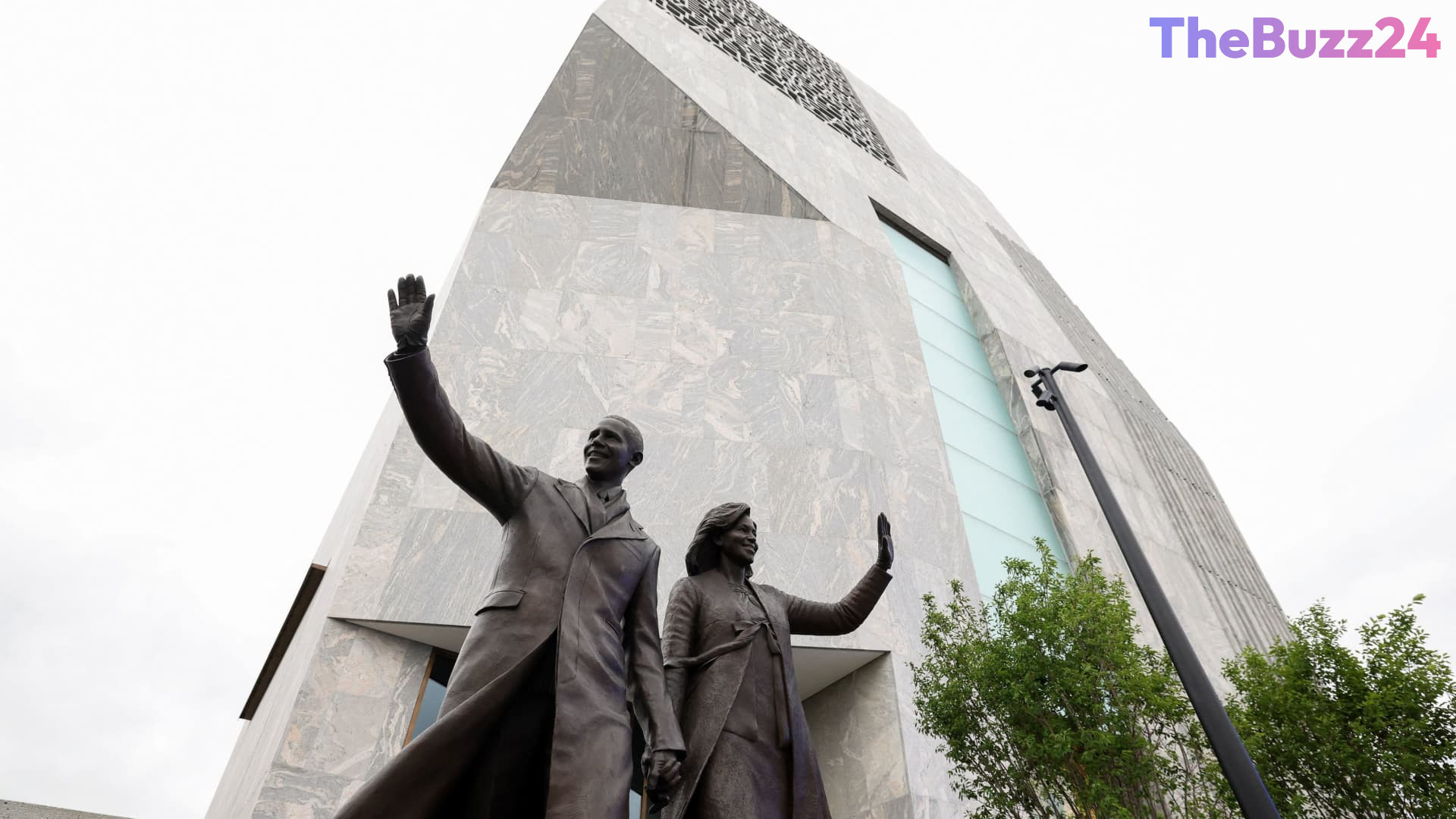
The Obama Presidential Center officially opens its doors along the shores of Lake Michigan in Chicago this week, marking a significant milestone in the legacy of the 44th U.S. President. While the facility is designed to serve as a non-partisan space for civic engagement and historical reflection, the grand opening has evolved into a major gathering point for the Democratic Party’s elite, including high-profile donors, business leaders, and political hopefuls looking toward the 2026 midterm elections and the 2028 presidential cycle.
The project has garnered substantial financial backing from major corporations and high-net-worth individuals, including a notable $100 million contribution from Amazon founder Jeff Bezos. The center’s plaza will be named in honor of the late civil rights icon and congressman John Lewis, reflecting the site’s focus on social progress. Despite the official non-partisan status maintained by the Obama Foundation, the event is widely viewed as a critical networking opportunity for those seeking to influence the future direction of the Democratic Party.
For many in the business community, the event represents a search for stability and national unity amidst a polarized political landscape. Corporate leaders from firms like Microsoft, PepsiCo, and Exelon have contributed to the center, viewing such investments as long-term commitments to community development and economic growth. However, the gathering also highlights the delicate balance CEOs must strike, as they navigate potential political backlash while attempting to foster relationships with key power brokers in a high-stakes environment.
As the event unfolds, political strategists suggest that the center will serve as more than just a museum; it is expected to act as a catalyst for fundraising and coalition-building. With presidential hopefuls and party strategists in attendance, the opening serves as a “beauty contest” of sorts, where the next generation of political leaders can secure the support and visibility necessary to navigate the upcoming electoral landscape.
Key Takeaways
- The Obama Presidential Center opening has become a major networking event for Democratic donors and political candidates ahead of upcoming election cycles.
- Major corporations and tech leaders, including Jeff Bezos, have provided significant financial support to the project, emphasizing long-term community and economic investment.
- While the foundation maintains a non-partisan stance, the event is being utilized by business leaders to seek national unity and navigate the current divisive political climate.
Editor’s Analysis & Impact
The opening of the Obama Presidential Center serves as a microcosm of the current intersection between corporate interests and political power. By attracting a ‘who’s who’ of the Democratic donor class, the event functions as an unofficial launchpad for future electoral strategies. For the business community, the center represents a ‘safe’ space to engage in political discourse without the immediate volatility of campaign trail rhetoric. However, the underlying tension remains: as political polarization intensifies, corporate leaders are increasingly forced to weigh the benefits of high-profile political association against the risks of partisan backlash. The long-term implication is that presidential centers are evolving from mere historical archives into active, influential hubs for political fundraising and corporate-government relations, effectively shaping the trajectory of future national policy and electoral success.
Frequently Asked Questions
Q: Is the Obama Presidential Center a partisan institution?
A: According to the Obama Foundation, the center is a registered non-profit and is officially non-partisan, intended to foster healthy conversation among people with different political ideologies.
Q: Why is the business community heavily involved in the center's opening?
A: Many business leaders view the center as an opportunity to promote national unity, support long-term economic development, and network with key political figures in a stable environment.
AI Disclosure: This article is based on verified data and official reports. Our Team and AI have cross-referenced every financial detail with primary sources to ensure total accuracy.
More from this Category