U.S. Gas Prices Dip Below $4 as Iran Deal Eases Global Oil Supply Fears
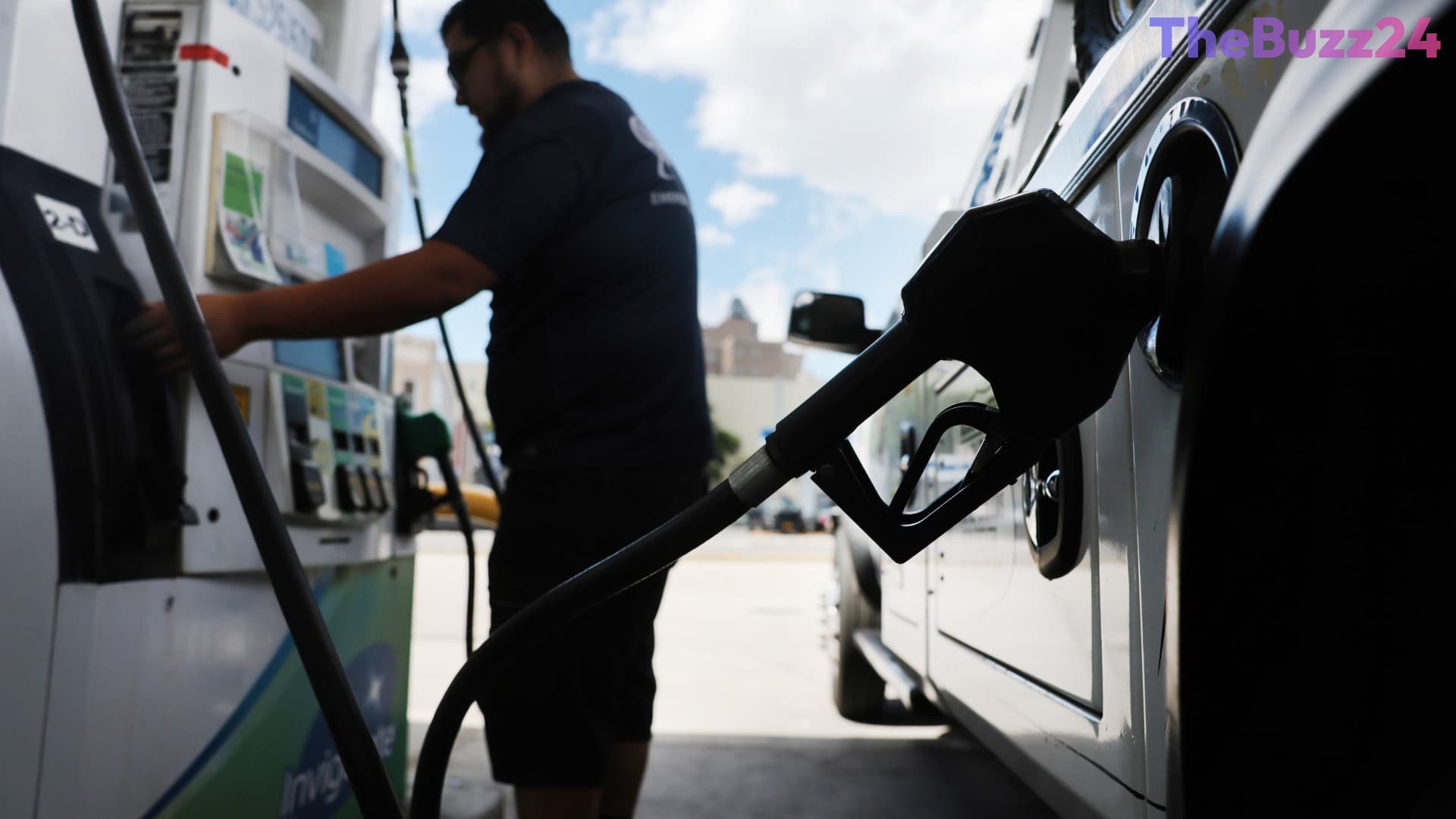
U.S. drivers are experiencing a significant reprieve at the pump, with average gasoline prices dipping below $4 per gallon for the first time since late March. The national average now stands at $3.99, marking a sustained period of relief after a peak of $4.56 recorded on May 21. This downward trend represents the longest consecutive daily price decline observed since November 2023, offering a welcome change for consumers.
The recent drop in fuel costs is largely attributed to an easing of global oil supply anxieties, following President Donald Trump’s announcement of a deal to conclude the conflict with Iran. This diplomatic breakthrough is expected to facilitate an increase in oil exports through the critical Strait of Hormuz, a vital chokepoint for international energy trade. President Trump had hinted at the impending agreement for several weeks, contributing to a stabilization in oil markets and preventing further price surges. Furthermore, the U.S. Navy has been actively escorting oil tankers through the Strait since early May, bolstering confidence in shipping security.
Despite the current decline, gasoline prices remain approximately 30% higher than levels observed before the U.S. and Israel initiated attacks on Iran on February 28. That conflict led to Tehran’s retaliatory closure of the Strait of Hormuz, severely disrupting global oil supplies. Historically, about 20% of the world’s oil transited through this strait, making its closure the most significant supply interruption in history. While the U.S.-Iran agreement is anticipated to gradually restore oil exports, the timeline for traffic in the Strait of Hormuz to return to pre-war volumes remains uncertain.
Key Takeaways
- U.S. average gasoline prices have fallen below $4 per gallon, the first time since March, following 28 consecutive days of decline.
- The price drop is primarily linked to a new deal between President Donald Trump and Iran, which is expected to increase oil exports through the Strait of Hormuz.
- Despite the recent relief, current gas prices are still about 30% higher than before the February 28 conflict that disrupted global oil supplies.
Editor’s Analysis & Impact
The recent decline in gasoline prices offers immediate relief to American consumers and could provide a modest boost to the broader economy by easing inflationary pressures. For the energy market, the U.S.-Iran deal signals a potential return to greater stability, particularly concerning crude oil flows through the Strait of Hormuz. However, the long-term outlook remains nuanced. While increased supply from the region is positive, the pace at which pre-war export levels will be restored is unclear, and geopolitical tensions in the Middle East could quickly re-escalate. This development underscores the delicate balance between diplomatic efforts and global energy security, highlighting how quickly supply dynamics can shift based on international relations.
Frequently Asked Questions
Q: Why have U.S. gas prices fallen below $4 per gallon?
A: Gas prices have dropped due to easing global oil supply fears, primarily driven by a new deal signed by President Donald Trump to end the conflict with Iran, which is expected to increase oil exports through the Strait of Hormuz.
Q: How much higher are current gas prices compared to before the recent conflict?
A: Despite the recent decline, current gas prices are still approximately 30% higher than what drivers paid before the U.S. and Israel attacked Iran on February 28, which led to significant oil supply disruptions.
Q: What is the significance of the Strait of Hormuz for global oil supplies?
A: The Strait of Hormuz is a critical maritime chokepoint through which about 20% of the world's global oil supplies passed before the recent conflict. Its closure caused the biggest oil supply disruption in history, making its reopening vital for global energy stability.
AI Disclosure: This article is based on verified data and official reports. Our Team and AI have cross-referenced every financial detail with primary sources to ensure total accuracy.
More from this Category