Bank of England Maintains Interest Rates at 3.75% Amid Global Economic Uncertainty
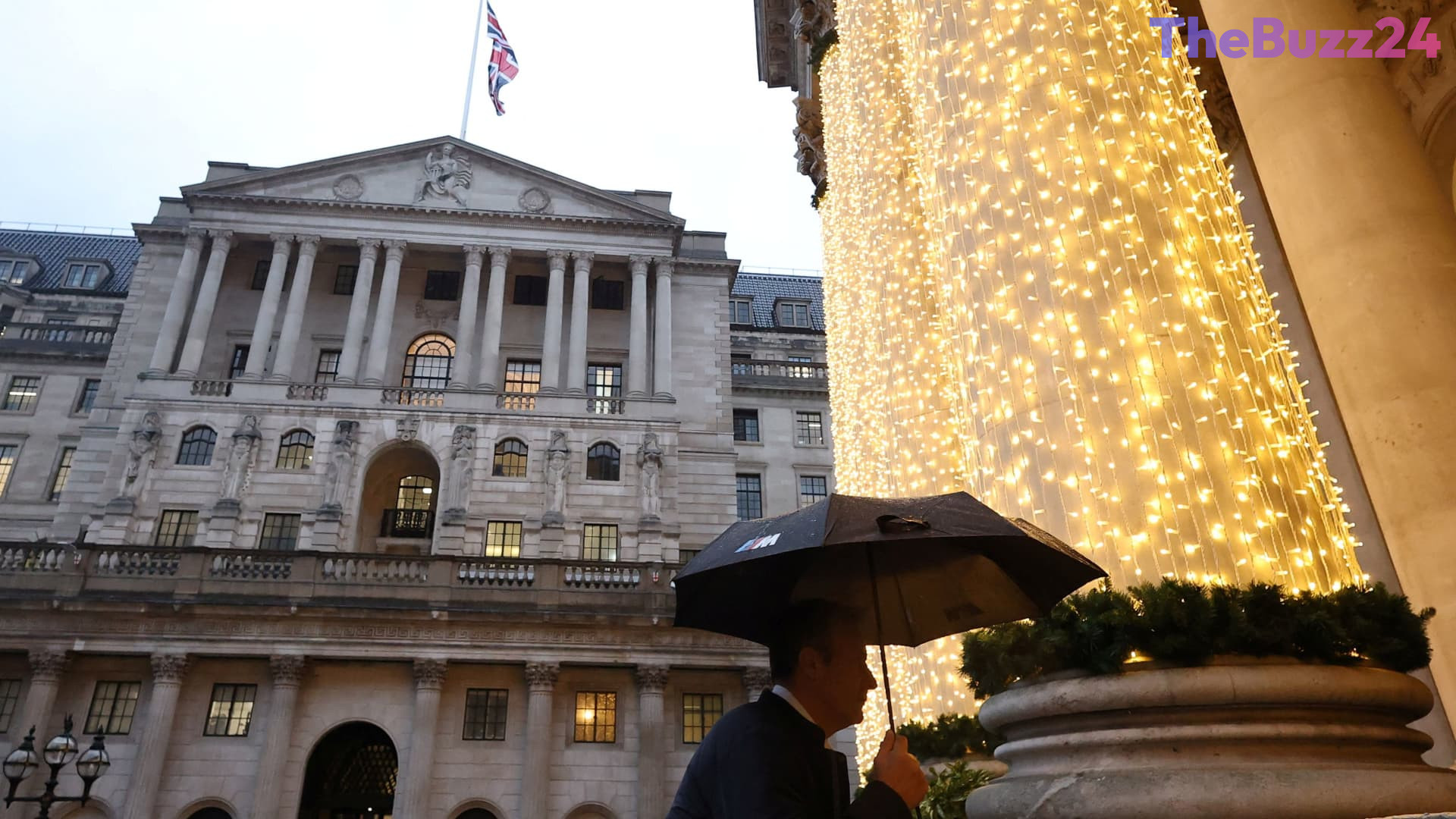
The Bank of England has opted to keep its benchmark interest rate steady at 3.75%, prioritizing economic stability as policymakers navigate the complex inflationary pressures stemming from the ongoing conflict in the Middle East. The decision, reached during the Monetary Policy Committee’s latest meeting, saw seven of the nine members vote in favor of maintaining the current rate, while two members advocated for a 25-basis-point increase to 4%.
This pause reflects the delicate balancing act currently facing the U.K. economy. While inflation cooled to 2.8% in May, the central bank remains cautious regarding the volatility of energy prices. As a net energy importer, the U.K. remains particularly susceptible to price shocks linked to the closure of the Strait of Hormuz. Although recent diplomatic breakthroughs between Washington and Tehran have sparked optimism for a durable peace settlement, the Bank of England emphasized that the long-term trajectory of energy costs remains difficult to forecast.
Looking ahead, the central bank is focused on preventing temporary price spikes from becoming entrenched within the broader economy. Despite the current hold, market participants continue to anticipate potential rate hikes by the end of the year, depending on how energy markets stabilize. The committee noted that while monetary policy cannot directly influence global energy prices, its primary objective remains ensuring that inflationary pressures do not result in lasting damage to the nation’s economic health.
Key Takeaways
- The Bank of England held interest rates at 3.75% in a 7-2 vote, reflecting a cautious approach to current economic volatility.
- Inflationary concerns persist due to high energy costs, despite a cooling of the headline inflation rate to 2.8%.
- Market sentiment remains split, with investors still pricing in potential rate hikes later this year despite recent peace negotiations between the U.S. and Iran.
Editor’s Analysis & Impact
The Bank of England’s decision to hold rates highlights a broader trend among global central banks attempting to avoid over-tightening during a period of supply-side shocks. By choosing to ‘play for time,’ the Bank is acknowledging that the current inflation is largely exogenous—driven by energy costs rather than domestic demand. The future outlook remains heavily tethered to the geopolitical situation in the Middle East; any disruption to the Strait of Hormuz could force a hawkish pivot. Conversely, if the U.S.-Iran peace framework holds, the Bank may find the breathing room necessary to avoid further hikes, potentially shifting the conversation toward rate cuts in the coming year. The primary risk remains ‘second-round effects,’ where energy-driven inflation seeps into wage and price-setting behavior, necessitating a more aggressive policy response.
Frequently Asked Questions
Q: Why did the Bank of England decide to keep interest rates unchanged?
A: The Bank chose to hold rates at 3.75% to balance the need to curb inflation against signs of lackluster economic growth and the uncertainty surrounding global energy prices.
Q: How does the conflict in the Middle East affect U.K. interest rates?
A: The conflict has impacted energy prices due to the closure of the Strait of Hormuz. As the U.K. is a net energy importer, these price shocks drive inflation, which forces the central bank to consider higher interest rates to maintain stability.
AI Disclosure: This article is based on verified data and official reports. Our Team and AI have cross-referenced every financial detail with primary sources to ensure total accuracy.
More from this Category