U.S. Navy Lifts Blockade of Iran Following Landmark De-escalation Agreement
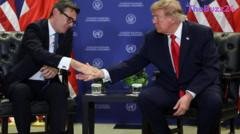
The United States Navy has officially concluded its blockade of Iranian ports and coastal regions, marking a significant shift in the ongoing geopolitical conflict. This strategic withdrawal follows a formal memorandum of understanding signed between President Donald Trump and Iranian President Masoud Pezeshkian, which outlines a framework intended to bring the current war to a close.
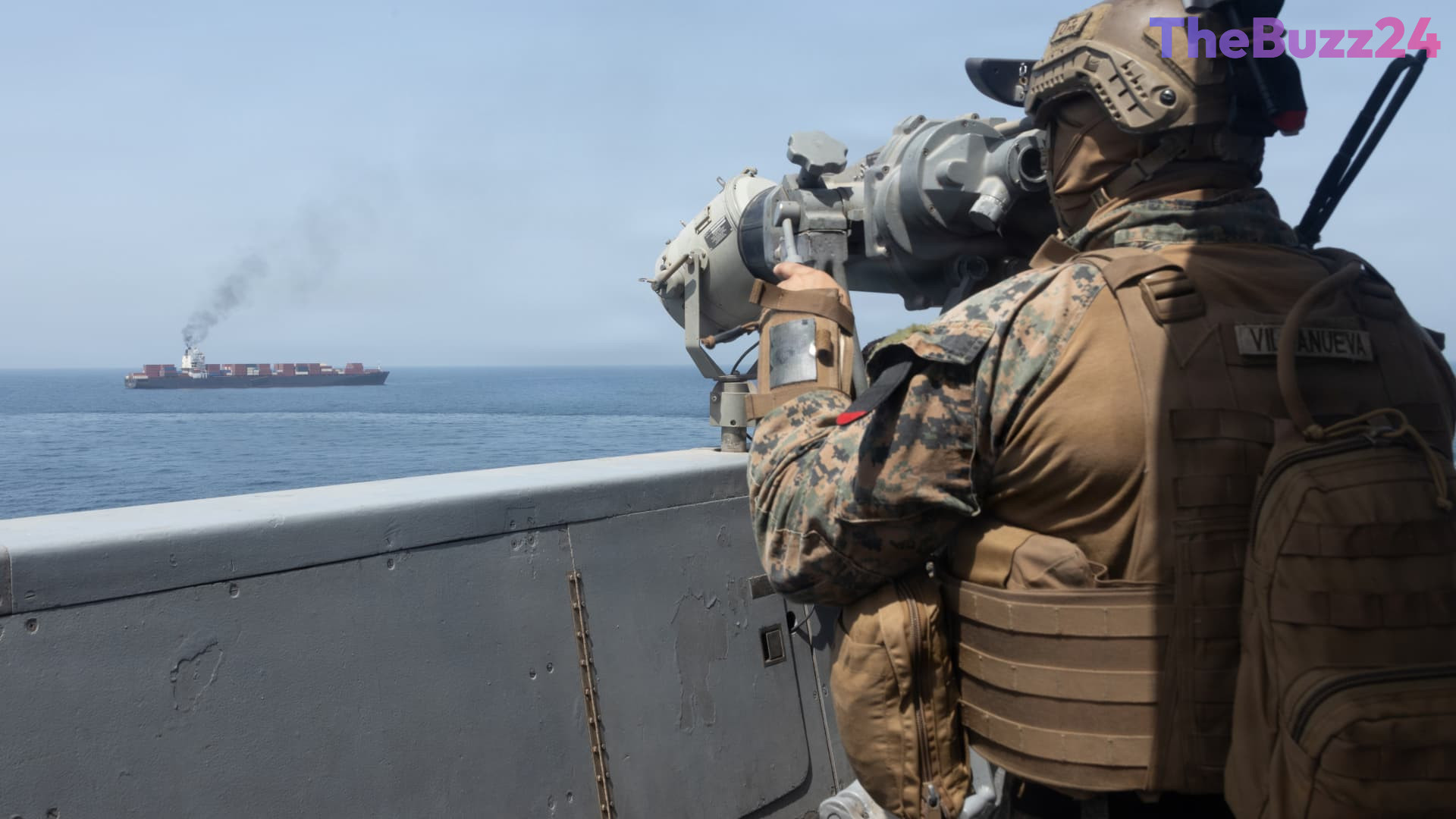
Under the terms of the agreement, Iran has committed to permitting commercial vessels to navigate the Strait of Hormuz without the imposition of tolls for a period of 60 days. U.S. Central Command confirmed that all military efforts to enforce the blockade have ceased, ensuring that American forces are no longer impeding maritime traffic to or from Iranian ports.
Vice President JD Vance noted that the de-escalation appears to be holding, citing two consecutive nights without Iranian fire on vessels traversing the vital waterway. Early reports indicate that oil transit has resumed, with millions of barrels moving through the strait. While industry analysts suggest that a full return to pre-conflict shipping volumes will be a gradual process, the lifting of the blockade represents a critical step toward stabilizing global energy supplies.
Key Takeaways
- The U.S. Navy has officially ended its blockade of Iranian ports following a new agreement between President Trump and President Pezeshkian.
- Iran has agreed to allow toll-free transit through the Strait of Hormuz for 60 days as part of the de-escalation efforts.
- Global oil markets are beginning to see a recovery in transit volumes, though analysts expect a gradual return to pre-war shipping levels.
Editor’s Analysis & Impact
The cessation of the U.S. naval blockade in the Strait of Hormuz is a pivotal development for global energy security. The Strait serves as one of the world’s most critical maritime chokepoints, and its closure had previously triggered unprecedented disruptions in oil supply chains. While the immediate resumption of tanker traffic is a positive signal for market stability, the long-term outlook remains cautious. The transition from a state of active conflict to normalized trade is rarely instantaneous, and market participants will likely remain wary of potential volatility until the 60-day commitment is fully realized. The broader implication is a potential cooling of tensions in the Middle East, which could lead to a downward correction in oil prices, provided the diplomatic framework remains intact and both parties continue to adhere to the established terms.
Frequently Asked Questions
Q: What is the primary condition of the new U.S.-Iran agreement regarding the Strait of Hormuz?
A: The agreement requires Iran to allow commercial vessels to transit the Strait of Hormuz without paying tolls for a period of 60 days.
Q: How quickly do experts expect oil transit to return to pre-war levels?
A: Experts suggest the recovery will be gradual rather than immediate, as the shipping industry works to clear backlogs and restore normal operations.
AI Disclosure: This article is based on verified data and official reports. Our Team and AI have cross-referenced every financial detail with primary sources to ensure total accuracy.
More from this Category