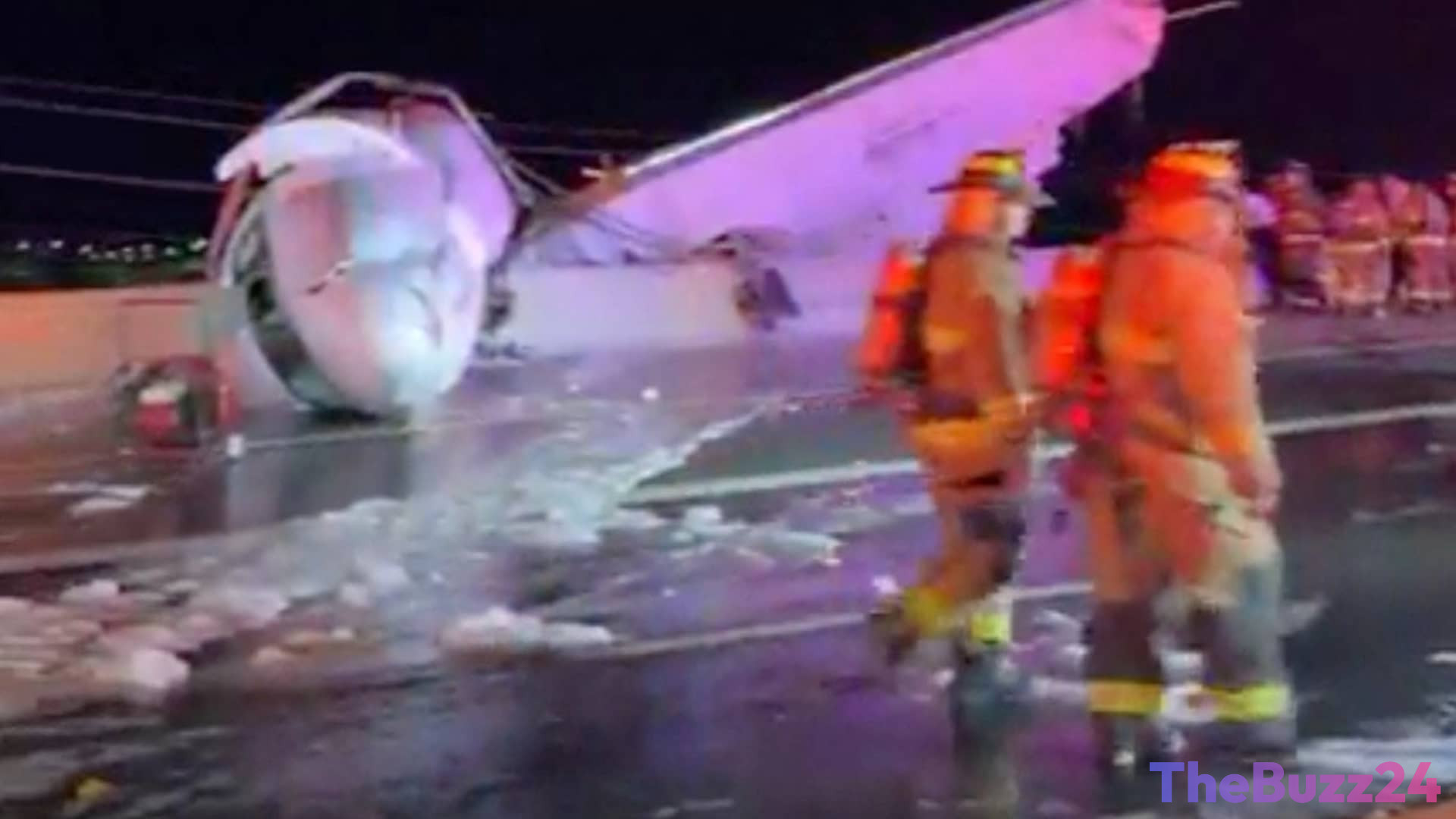
Tragic Texas Highway Crash Marks First Fatality for NetJets, Claiming Life of Prominent VC Founder Joshua Baer
A Cessna Citation Latitude private jet operated by NetJets crashed onto a highway in Laredo, Texas, resulting in the tragic death of prominent Austin technology entrepreneur and venture capitalist Joshua Baer. Baer, 50, was the widely respected founder of Capital Factory, an influential startup incubator and investment firm that has anchored the Texas tech ecosystem for years. The aircraft was en route from San José del Cabo, Mexico, to Austin when the flight crew reported critically low fuel levels and requested an emergency landing at Laredo International Airport.
While Baer did not survive the impact, a swift and heroic rescue effort by local bystanders and emergency responders saved the lives of the two pilots and three teenage passengers on board. Eyewitnesses described a chaotic scene as citizens rushed to pull survivors from the wreckage. Aviation experts analyzing the flight’s final moments suggest the aircraft was attempting to glide toward the runway after experiencing a total loss of engine power, ultimately running out of altitude and airspeed just short of the airport.
This tragic incident marks the first fatal accident in the history of NetJets, a pioneer of the fractional aircraft ownership industry founded in 1986 and acquired by Berkshire Hathaway in 1998. The National Transportation Safety Board (NTSB) has launched a comprehensive investigation into the cause of the crash. Federal investigators have recovered the plane’s cockpit voice recorder and flight data recorder, sending them to Washington, D.C., for analysis. Investigators are expected to look closely at the aircraft’s fuel systems, as the plane’s standard 3,000-mile range should have easily covered the flight path without depletion.
Key Takeaways
- Prominent Austin venture capitalist Joshua Baer, founder of Capital Factory, was killed when a NetJets flight crashed on a highway in Laredo, Texas.
- The crash represents the first-ever fatal accident for NetJets, a major private aviation subsidiary of Berkshire Hathaway.
- The NTSB is investigating the crash, focusing on why the aircraft ran out of fuel despite having a flight range that far exceeded its route.
Editor’s Analysis & Impact
The tragic loss of Joshua Baer is a profound blow to the Texas technology ecosystem, where Capital Factory has long served as a cornerstone for startup innovation. Beyond the human tragedy, this incident represents a critical juncture for NetJets and the broader fractional private aviation industry. NetJets has historically maintained an exemplary safety record, which has been a key selling point for its premium, high-net-worth clientele. As the NTSB investigates the highly unusual circumstances of a modern mid-sized business jet apparently running out of fuel, the findings will be scrutinized heavily. If the investigation reveals systemic maintenance issues or pilot error, it could prompt regulatory changes and force Berkshire Hathaway to address operational vulnerabilities. However, given NetJets’ robust safety infrastructure, the industry is likely to view this as an isolated, albeit devastating, anomaly rather than a systemic failure of the fractional ownership model.
Frequently Asked Questions
Q: Who was Joshua Baer?
A: Joshua Baer was a highly influential 50-year-old technology entrepreneur and venture capitalist based in Austin, Texas. He was the founder of Capital Factory, a prominent accelerator and investment firm that has fostered hundreds of tech startups in the region.
Q: What is NetJets' safety record prior to this accident?
A: Prior to this tragic crash, NetJets had never experienced a fatal accident. The company pioneered the fractional jet ownership model in 1986 and was acquired by Warren Buffett's Berkshire Hathaway in 1998, maintaining a reputation as one of the safest operators in private aviation.
Q: What are investigators focusing on in the crash probe?
A: The National Transportation Safety Board (NTSB) is analyzing the flight data and cockpit voice recorders. Investigators are particularly focused on why the aircraft reported low fuel, with experts speculating that a fuel leak may have occurred, given that the flight distance was well within the plane's maximum 3,000-mile range.
AI Disclosure: This article is based on verified data and official reports. Our Team and AI have cross-referenced every financial detail with primary sources to ensure total accuracy.
More from this Category