Tesla Resolves Fatal Full Self-Driving Lawsuit as Federal Safety Scrutiny Intensifies
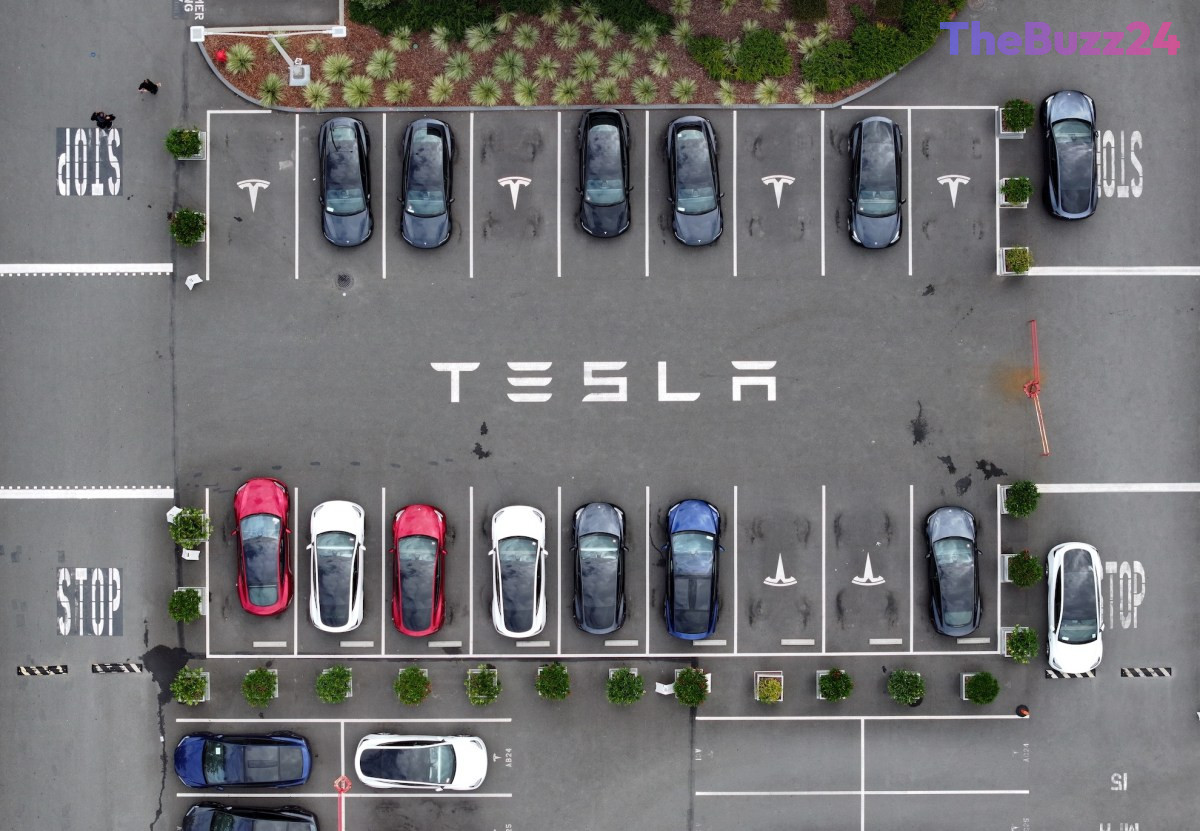
Tesla has reached a settlement in a wrongful death lawsuit stemming from a tragic 2023 accident involving its controversial Full Self-Driving (FSD) software. The legal action was initiated by the family of Johna Story, a 71-year-old woman who was fatally struck by a Tesla Model Y. The incident occurred while Story was outside her vehicle attempting to direct traffic following an earlier collision caused by intense sun glare. While the financial terms of the settlement remain confidential, the resolution closes a major legal chapter for the electric vehicle manufacturer.
Despite resolving this private litigation, Tesla continues to face intense regulatory pressure from federal authorities. The National Highway Traffic Safety Administration (NHTSA) launched an investigation into Tesla’s FSD system in 2024 following several low-visibility crashes, including the one that claimed Story’s life. The federal probe was escalated to an engineering analysis in March 2026, focusing on whether the vehicle’s automated systems can adequately detect and respond to challenging environmental factors like heavy fog, airborne dust, and blinding sun glare.
Federal investigators have expressed ongoing concerns regarding Tesla’s degradation detection systems, suggesting the software may fail to sufficiently warn drivers when visibility conditions deteriorate. This is not the only regulatory hurdle for the automaker’s driver-assist technology; NHTSA also initiated a separate inquiry in late 2025 following reports of FSD-equipped vehicles running red lights and drifting into oncoming lanes. The outcomes of these federal investigations could ultimately lead to mandatory software updates or large-scale vehicle recalls, posing a significant challenge to Tesla’s autonomous driving ambitions.
Key Takeaways
- Tesla has settled a wrongful death lawsuit involving a fatal 2023 crash where its Full Self-Driving (FSD) system was active.
- The National Highway Traffic Safety Administration (NHTSA) has upgraded its investigation into Tesla's FSD performance under low-visibility conditions to an engineering analysis.
- Tesla remains under federal scrutiny for other FSD-related issues, including reports of vehicles running red lights and failing to stay in their lanes.
Editor’s Analysis & Impact
Tesla’s decision to settle this lawsuit highlights the growing legal and financial risks associated with deploying semi-autonomous driving features on public roads. By settling quietly, Tesla avoids a highly publicized trial that could have exposed internal testing data and proprietary software mechanics to intense public scrutiny. However, the company cannot settle its way out of federal oversight. The NHTSA’s upgraded engineering analysis represents a critical threat to Tesla’s market positioning. If regulators conclude that the FSD system is fundamentally flawed in low-visibility scenarios, a massive recall or severe operational restrictions could follow. This would deal a heavy blow to Elon Musk’s vision of a fully autonomous robotaxi future, potentially damaging investor confidence and slowing down the broader adoption of advanced driver-assistance systems (ADAS) across the automotive industry.
Frequently Asked Questions
Q: What was the lawsuit against Tesla about?
A: The lawsuit was filed by the family of Johna Story, a 71-year-old woman who was struck and killed by a Tesla Model Y operating on Full Self-Driving (FSD) software while she was directing traffic.
Q: Why is the NHTSA investigating Tesla's FSD system?
A: The federal agency is investigating whether Tesla's FSD software can properly detect and respond to reduced visibility conditions, such as sun glare, fog, and dust, following several crashes under these conditions.
Q: What are the potential consequences of the federal investigations for Tesla?
A: The ongoing NHTSA investigations could result in forced software modifications, strict regulatory limitations, or a large-scale recall of Tesla vehicles equipped with FSD.
AI Disclosure: This article is based on verified data and official reports. Our Team and AI have cross-referenced every financial detail with primary sources to ensure total accuracy.
More from this Category