Venezuelan Residents Express Frustration Over Slow Earthquake Recovery Efforts
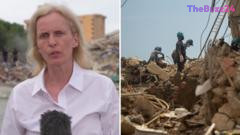
In the coastal city of Catia la Mar, northern Venezuela, residents are voicing significant discontent regarding the government’s response to recent earthquake damage. The local community, currently navigating the aftermath of the seismic event, reports that state-led recovery efforts have been insufficient, leaving many to manage the destruction of their homes and infrastructure with little official support.
As families sift through the rubble of their properties, the sentiment on the ground suggests a growing divide between the needs of the disaster-stricken population and the resources deployed by authorities. The lack of heavy machinery and organized relief teams in the hardest-hit areas has exacerbated the humanitarian challenges, forcing citizens to rely on informal networks for basic necessities and debris removal.
Observers on the scene note that the frustration is rooted in a perceived lack of urgency from state officials. While the government has acknowledged the seismic activity, the visible absence of a comprehensive recovery plan has fueled public anger, with many residents feeling abandoned during one of the most difficult periods in the region’s recent history.
Key Takeaways
- Residents in Catia la Mar are criticizing the Venezuelan government for a slow and inadequate response to recent earthquake damage.
- Local communities are struggling to clear debris and secure basic needs without significant state-led relief efforts.
- The lack of visible recovery infrastructure has led to widespread public frustration and a sense of abandonment among disaster victims.
Editor’s Analysis & Impact
The situation in Catia la Mar highlights a recurring vulnerability in regions where disaster response infrastructure is either underfunded or politically paralyzed. When a government fails to provide immediate, visible support following a natural disaster, it often leads to a rapid erosion of public trust and can trigger broader social instability. From a geopolitical perspective, the inability of the Venezuelan state to manage localized crises underscores the systemic challenges facing the nation’s administrative capacity. Moving forward, the international community will likely monitor whether the government shifts its strategy to address these grievances or if the lack of support continues to foster local unrest. The long-term implications include potential displacement of residents and a deepening of the humanitarian crisis, as the lack of structural recovery prevents the return to normalcy for the affected population.
Frequently Asked Questions
Q: What is the primary cause of public anger in Catia la Mar?
A: The anger stems from the perceived inadequacy and slow pace of the government's earthquake recovery efforts, leaving residents to deal with destruction on their own.
Q: Are there organized relief efforts currently active in the area?
A: Reports indicate a lack of significant state-led relief teams and heavy machinery, forcing residents to rely on informal community support to manage the aftermath.
AI Disclosure: This article is based on verified data and official reports. Our Team and AI have cross-referenced every financial detail with primary sources to ensure total accuracy.
More from this Category