Corporate Sponsorships of ‘Freedom 250’ Spark Ethics Concerns Over Presidential Access
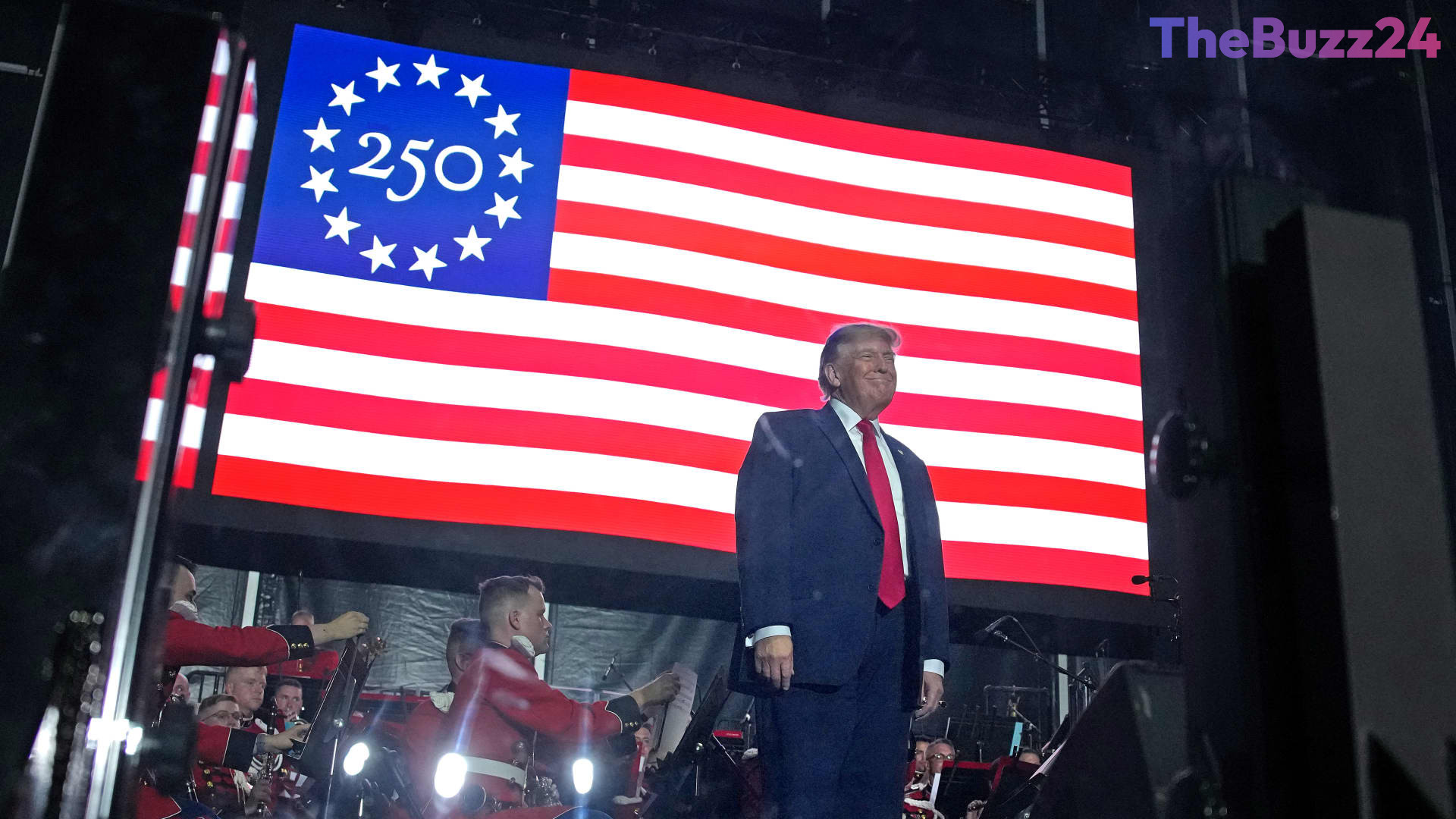
As the United States approaches its 250th anniversary, a divide has emerged between the congressionally mandated America250 initiative and the Trump-aligned Freedom 250 project. While the former focuses on traditional civic programming, Freedom 250 has become the centerpiece for high-profile events on the National Mall, drawing significant financial backing from major corporations. Among the companies listed as sponsors for both initiatives are Boeing, Lockheed Martin, Oracle, United Airlines, and several others with substantial federal business interests.
Fundraising materials for Freedom 250 have drawn scrutiny from ethics watchdogs due to a tiered structure that offers donors direct access to the president. Contributions reaching the $1 million mark reportedly include invitations to private receptions and photo opportunities with Donald Trump, while higher-tier donations of $10 million or more include speaking roles at major events. Critics argue that this arrangement creates a potential avenue for corporations to purchase influence, as the opaque nature of the funding hides the full extent of corporate involvement in what is ostensibly a national celebration.
Despite the concerns raised by ethics experts and some members of Congress, there is currently no evidence linking these sponsorships to specific policy outcomes or government decisions. Companies involved have largely remained silent on the specifics of their contributions, though some industry observers suggest that firms are hedging their bets by supporting both the bipartisan America250 and the more politically aligned Freedom 250. This strategy ensures they maintain a presence in both traditional patriotic branding and the president’s preferred version of the anniversary.
The rollout of Freedom 250 has faced additional challenges beyond ethical debates, including logistical issues on the National Mall and the withdrawal of several participating states and musical acts. As the event continues, the intersection of corporate capital and presidential proximity remains a focal point for those monitoring the influence of private interests on public commemorations.
Key Takeaways
- Major corporations with federal contracts are sponsoring the Trump-aligned 'Freedom 250' event, raising concerns about potential pay-to-play access.
- Fundraising tiers for Freedom 250 offer donors direct interaction with the president, including private receptions and speaking roles for high-dollar contributors.
- The event has faced operational difficulties and criticism regarding its partisan tone, leading some states and performers to withdraw from the festivities.
Editor’s Analysis & Impact
The Freedom 250 controversy highlights a growing trend where national milestones are increasingly leveraged as platforms for political branding and corporate networking. By creating a parallel structure to the congressionally mandated America250, the organizers have effectively blurred the lines between public celebration and private political access. For the corporate sector, the risk is reputational; while these companies seek to maintain favor with the current administration, the association with a polarizing event risks alienating broader consumer bases. Moving forward, this situation sets a precarious precedent for how future national anniversaries may be funded. If the ‘pay-for-access’ model becomes the standard for public-private partnerships, it will likely invite stricter regulatory scrutiny and potential legislative reform regarding how non-profit event funding is disclosed to the public.
Frequently Asked Questions
Q: What is the difference between America250 and Freedom 250?
A: America250 is a bipartisan commission created by Congress to plan the nation's 250th anniversary, while Freedom 250 is a separate, Trump-aligned public-private partnership focused on events that often feature the president.
Q: Are there proven links between these sponsorships and government policy changes?
A: No. While ethics watchdogs have raised concerns about the potential for influence-peddling due to the access offered to donors, there is currently no evidence that corporate sponsorships have influenced specific government decisions or policy outcomes.
AI Disclosure: This article is based on verified data and official reports. Our Team and AI have cross-referenced every financial detail with primary sources to ensure total accuracy.
More from this Category