Millions Gather in Tehran for Funeral of Former Iranian Supreme Leader Ayatollah Ali Khamenei
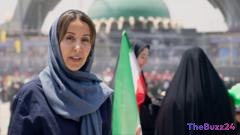
Tehran has become the focal point of massive public mourning as millions of Iranians gather to pay their final respects to the country’s former Supreme Leader, Ayatollah Ali Khamenei. The late leader’s body is currently lying in state at the Grand Mosalla mosque in the capital, drawing vast crowds of black-clad mourners. This massive public gathering marks the beginning of a week-long series of commemorations leading up to his final burial.
Khamenei’s death occurred more than four months ago, resulting from targeted military strikes conducted by United States and Israeli forces during the opening stages of the current conflict. The delay between his death and the funeral has heightened the emotional and political gravity of the event, as the nation continues to navigate the fallout of the devastating strikes that reshaped the region’s geopolitical landscape.
Following the public viewing in Tehran, the former leader’s body will be transported to his hometown of Mashhad. The official burial is scheduled to take place next Thursday, where local authorities anticipate further massive turnouts. Security has been heavily tightened across major cities to manage the crowds and prevent potential disruptions during the high-profile ceremonies.
Reporting on the ground remains highly challenging for international journalists. The Iranian government has imposed strict regulatory conditions on foreign press coverage, including prohibitions against sharing reporting materials with local Persian-language news services. Despite these media restrictions, the scale of the public gathering in Tehran underscores the profound domestic impact of the former leader’s death and the ongoing tensions gripping the Middle East.
Key Takeaways
- Millions of mourners have assembled at Tehran's Grand Mosalla mosque to pay respects to the late Supreme Leader Ayatollah Ali Khamenei.
- Khamenei was killed over four months ago in joint US and Israeli military strikes at the beginning of the conflict.
- The final burial is scheduled for next Thursday in Mashhad, amid tight security and strict reporting restrictions on foreign media.
Editor’s Analysis & Impact
The funeral of Ayatollah Ali Khamenei marks a critical juncture for Iran and the broader Middle East. Coming four months after his death in US and Israeli strikes, the massive public turnout serves as both a domestic show of solidarity and a political message to foreign adversaries. The transition of power and the vacuum left by such a dominant figure present significant challenges for the Iranian regime, which must balance internal stability with external military pressures. Furthermore, the strict limitations placed on international media highlight the government’s intense focus on controlling the narrative during this sensitive period. Geopolitically, the event underscores the deep-seated animosities resulting from the strikes, suggesting that diplomatic resolution remains distant as regional tensions continue to simmer.
Frequently Asked Questions
Q: When and how did Ayatollah Ali Khamenei die?
A: Ayatollah Ali Khamenei was killed more than four months ago during military strikes carried out by the United States and Israel at the onset of the conflict.
Q: Where will the former Supreme Leader be buried?
A: Following the lying-in-state ceremonies at Tehran's Grand Mosalla mosque, he will be buried in his hometown of Mashhad next Thursday.
Q: What restrictions are foreign journalists facing while covering this event?
A: International media organizations operating in Iran are subject to strict government regulations, including bans on sharing their reporting materials with Persian-language news services.
AI Disclosure: This article is based on verified data and official reports. Our Team and AI have cross-referenced every financial detail with primary sources to ensure total accuracy.
More from this Category