Sky’s £1.6 Billion Acquisition of ITV Assets Poised to Reshape UK Broadcasting
Comcast-owned Sky has reached an agreement to acquire the broadcast channels and streaming service of Britain’s ITV for £1.6 billion ($2.13 billion). This strategic move aims to forge a formidable British media champion, capable of robustly competing with global streaming and digital giants such as YouTube, Netflix, Amazon, and Disney.
Sky CEO Dana Strong characterized the deal as a “defining moment” for British broadcasting. The consolidation of ITV, the UK’s largest free-to-air commercial broadcaster and home to popular shows like “Coronation Street,” with Sky’s leading pay-TV business, would have been unimaginable just a few years ago. However, the rapid ascent of streaming platforms has compelled traditional media companies to seek new alliances and strategies to remain competitive. The combined entity is projected to command over 70% of the UK television advertising market, including contracts for third-party broadcasters, a figure that will undoubtedly draw significant attention from regulators and lawmakers. These bodies will now deliberate whether the radical shifts in the media landscape warrant a more flexible approach to assessing such mergers.
ITV Chief Executive Carolyn McCall emphasized that uniting ITV’s channels and its streaming service, ITVX, with Sky would yield benefits for both viewers and advertisers. She noted that in an era of swift changes in viewer behavior and escalating competition from U.S. streamers for both audiences and advertising revenue, this agreement is crucial for strengthening investment in British content. ITV is set to remain a public service broadcaster, with its license secured until 2034, maintaining commitments to news and original programming. Sky has also pledged to continue supporting Sky News beyond 2029, ensuring both Sky News and ITV News maintain distinct operations. While some job reductions are anticipated, the majority of the projected £200 million in savings will stem from marketing, technology, and non-British content expenditures.
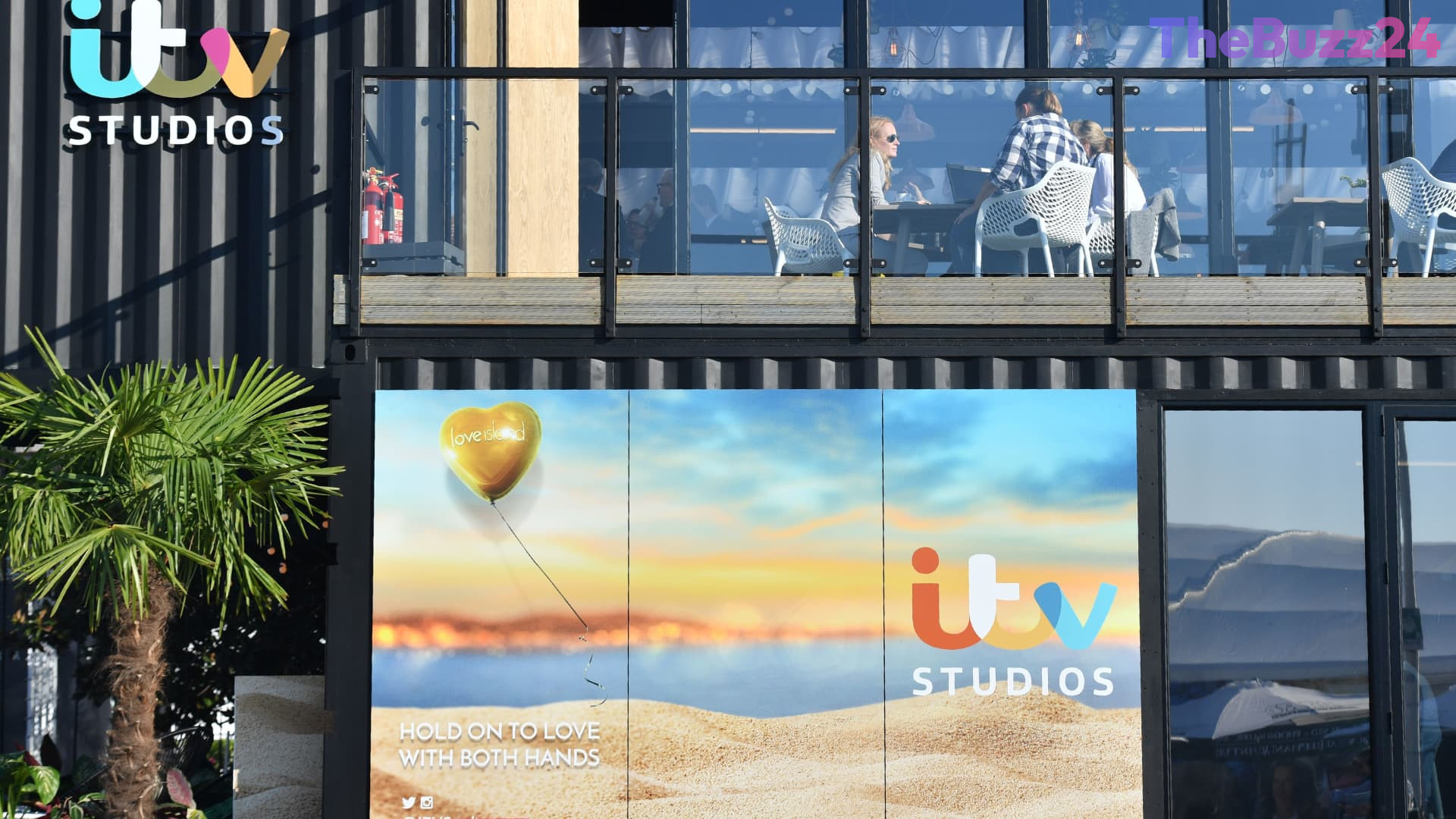
Financially, ITV will receive £1.2 billion in cash, alongside an earn-out agreement potentially yielding up to £200 million based on its advertising performance in the 2027 financial year, with approximately £950 million earmarked for shareholders. This transaction will transform ITV into a standalone production business, ITV Studios, which will continue to create popular shows like “Love Island” for the combined ITV-Sky entity, as well as for other global broadcasters and streamers, including “Rivals” for Disney and “The Reluctant Traveller” for Apple TV. The merged company has committed to investing a minimum of £2.1 billion with ITV Studios between 2028 and 2032. ITV will also retain a 20% stake in ITN, with another 20% transferring to Sky. Both companies anticipate a lengthy antitrust review and public interest tests, with potential requirements such as Sky relinquishing third-party ad sales contracts to satisfy regulatory concerns.
Key Takeaways
- Comcast-owned Sky is acquiring ITV's broadcast channels and streaming service for £1.6 billion ($2.13 billion) to create a stronger British media entity.
- The merger aims to bolster competition against global streaming giants and will control over 70% of the UK TV advertising market, necessitating extensive regulatory review.
- ITV will transform into a standalone production business, ITV Studios, while securing significant cash and a long-term content commitment from the merged entity.
Editor’s Analysis & Impact
This acquisition marks a significant consolidation in the UK broadcasting sector, driven by the intense competitive pressure from global streaming services. The combined Sky-ITV entity will possess unparalleled reach and advertising power in the UK, potentially reshaping how content is produced, distributed, and monetized. While the deal promises enhanced investment in British programming and a stronger domestic player, its substantial market share will undoubtedly face rigorous scrutiny from regulators concerned about competition and public interest, particularly regarding news provision and third-party ad sales. The long-term success hinges on effectively integrating diverse operations and innovating to retain and attract audiences in a fragmented media landscape, ultimately impacting content creators, advertisers, and viewers across the UK.
Frequently Asked Questions
Q: What is the primary goal of Sky acquiring ITV's broadcast and streaming assets?
A: The main goal is to create a dominant British broadcasting and streaming entity capable of effectively competing with major global players like YouTube, Netflix, Amazon, and Disney, which have significantly impacted traditional television viewership and advertising.
Q: How will this deal impact ITV as a company?
A: ITV will transition into a standalone production business, ITV Studios, focusing on creating content for the newly merged Sky-ITV entity and other global broadcasters and streamers. It will receive a substantial cash payment and benefit from a long-term content commitment from the combined company.
Q: What are the main regulatory concerns surrounding this acquisition?
A: Regulators will primarily focus on the deal's impact on market competition, given that the combined entity would control over 70% of the UK television advertising market. They will also examine public interest aspects, including the future of news provision (Sky News and ITV News) and potential implications for third-party broadcasters.
AI Disclosure: This article is based on verified data and official reports. Our Team and AI have cross-referenced every financial detail with primary sources to ensure total accuracy.
More from this Category