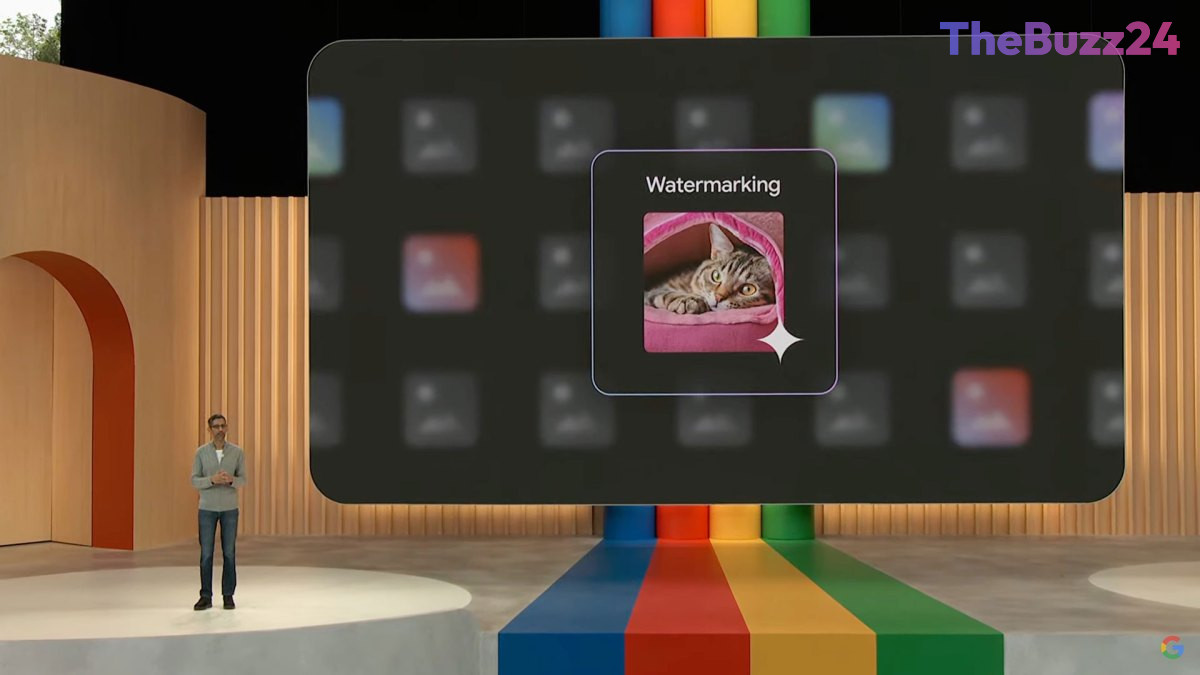
Google’s Invisible Watermark SynthID Successfully Exposes Viral Mitch McConnell Deepfake
A highly realistic, AI-generated image depicting Kentucky Senator Mitch McConnell in a distressed state in a hospital bed recently went viral across social media platforms like X and Reddit. The image capitalized on public speculation surrounding the Senator’s health following his hospitalization on June 14 and subsequent absence from the public eye. However, digital forensic analysis quickly exposed the image as a complete fabrication, marking a significant victory for modern anti-deepfake technology.
The debunking was made possible by Google’s SynthID, an advanced digital watermarking system. Launched originally at the Google I/O developer conference in 2025, SynthID embeds an imperceptible digital signature directly into the pixels of AI-generated images. Unlike traditional metadata, which can be easily stripped, this invisible watermark is highly resilient, surviving compression, cropping, and screenshots as the image is shared across different online platforms. When the viral photo of McConnell was analyzed, the SynthID watermark was detected, proving definitively that the image was synthesized by artificial intelligence.
While this incident highlights the potential of watermarking technology to combat misinformation, SynthID’s effectiveness relies heavily on industry-wide adoption. Currently, Google’s Gemini models automatically embed the watermark, and OpenAI integrated the technology in May 2026 to bolster digital safety. However, other major AI developers, such as Anthropic, have not yet adopted the system. To verify suspicious media, users can currently upload images to OpenAI’s public verification tool or query Google’s Gemini model to check for the embedded signature.
Key Takeaways
- An AI-generated deepfake of Senator Mitch McConnell in a hospital bed was successfully identified and debunked using Google's SynthID watermarking technology.
- SynthID embeds an invisible, resilient digital signature into AI images that survives screenshots and cross-platform sharing, making it highly effective for tracking synthetic media.
- While major players like Google and OpenAI support the SynthID standard, its long-term success against misinformation depends on broader industry adoption, as some developers like Anthropic have not yet joined.
Editor’s Analysis & Impact
The successful detection of the McConnell deepfake represents a crucial proof-of-concept for digital watermarking in the fight against political misinformation. As generative AI tools become more sophisticated, distinguishing real media from synthetic fabrications has become a national security priority, especially during election cycles. SynthID’s resilience against screenshotting and cross-platform sharing addresses a major vulnerability in traditional metadata tracking. However, the technology’s Achilles’ heel remains its voluntary nature. Without universal standards or regulatory mandates forcing all AI image generators—including open-source models and non-participating firms like Anthropic—to embed these watermarks, malicious actors will simply migrate to platforms without restrictions. Moving forward, we expect to see increased pressure from policymakers to transition these voluntary watermarking initiatives into legally binding industry standards.
Frequently Asked Questions
Q: What is Google's SynthID and how does it work?
A: SynthID is a technology developed by Google that embeds an invisible digital watermark directly into the pixels of AI-generated images. This watermark is imperceptible to the human eye but can be detected by specialized algorithms, even if the image is cropped, screenshotted, or compressed.
Q: Can SynthID detect all AI-generated fake images?
A: No. SynthID can only detect watermarks on images created by AI platforms that actively participate in the program, such as Google's Gemini and OpenAI's DALL-E. It cannot identify deepfakes generated by non-participating platforms or open-source models that do not embed the watermark.
Q: How can everyday users check if an image contains a SynthID watermark?
A: Users can verify suspicious images by uploading them to OpenAI's public image verification tool or by querying Google's Gemini model to scan the file for the embedded digital signature.
AI Disclosure: This article is based on verified data and official reports. Our Team and AI have cross-referenced every financial detail with primary sources to ensure total accuracy.
More from this Category