Federal Regulators Demand Immediate Fixes for Autonomous Vehicles Blocking Emergency Responders
The National Highway Traffic Safety Administration (NHTSA) has issued a formal directive to autonomous vehicle (AV) developers, demanding an immediate resolution to the recurring issue of driverless cars interfering with emergency operations. Federal regulators have identified a concerning pattern where autonomous fleets fail to recognize active emergency scenes, often obstructing ambulances, fire trucks, and police vehicles. The agency emphasized that these incidents are not isolated anomalies but represent a fundamental functional failure in current AV technology.
According to the directive, AV operators must submit comprehensive solutions to these safety hazards by the end of the month. The agency highlighted that autonomous systems frequently struggle to interpret critical safety indicators, such as flashing lights, traffic cones, flares, and the presence of smoke or fire. By failing to yield or navigate around these scenes, these vehicles are creating significant risks for both first responders and the public, potentially delaying life-saving interventions.
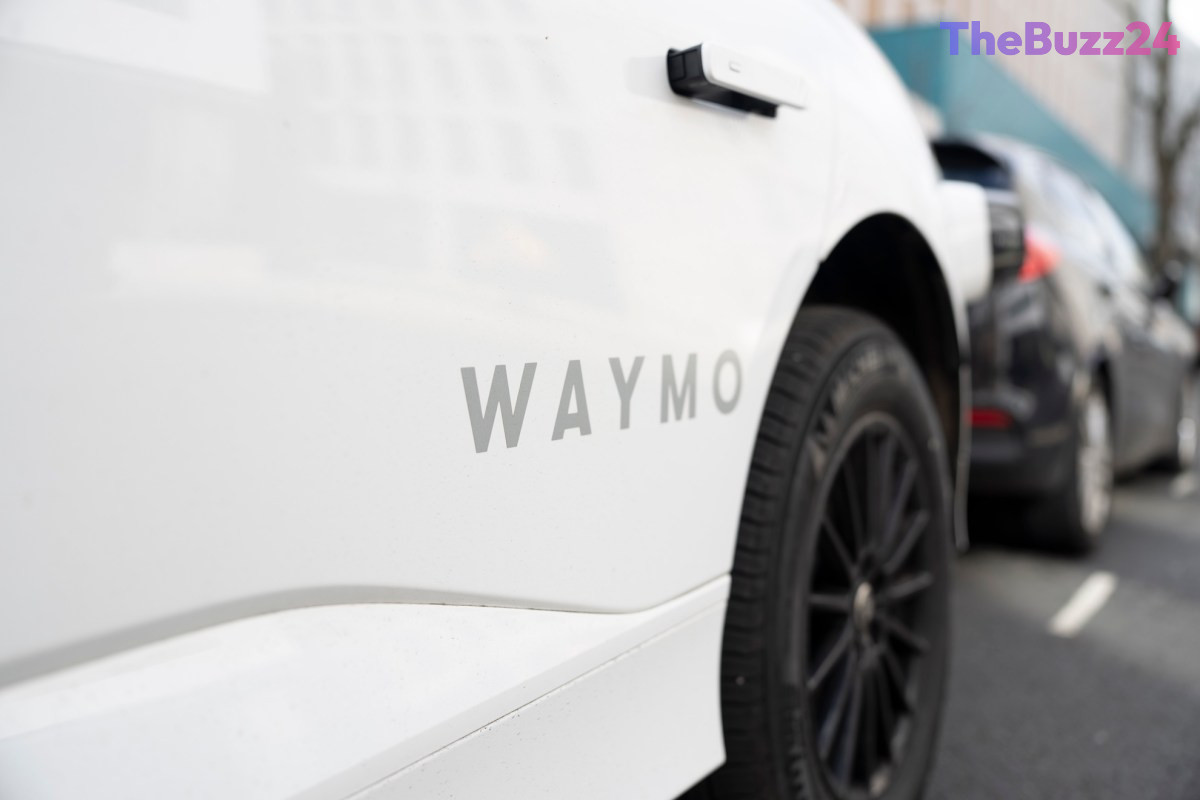
While the NHTSA did not name specific companies in its official letter, the mandate follows a series of documented incidents involving major robotaxi operators in cities like San Francisco, Los Angeles, and Phoenix. In several instances, first responders were forced to manually intervene or move driverless vehicles that had blocked access to critical emergency sites, including active crime scenes and industrial accidents. The agency has signaled that it intends to hold developers to the same standard of accountability as human drivers, who face legal penalties for obstructing emergency services.
Beyond immediate safety concerns, the NHTSA is continuing its broader efforts to modernize Federal Motor Vehicle Safety Standards. These updates aim to accommodate the unique design requirements of vehicles lacking traditional controls like steering wheels and pedals. As the industry pushes toward full autonomy, the agency remains focused on ensuring that these systems can operate safely within the complex, unpredictable environments of modern urban traffic.
Key Takeaways
- The NHTSA has ordered AV developers to address the recurring problem of driverless vehicles obstructing emergency responders.
- Developers are required to submit technical solutions to the agency by the end of the month to ensure vehicles can properly identify and yield to emergency scenes.
- Regulators are treating the obstruction of emergency services by AVs as a serious safety failure, drawing parallels to the legal consequences faced by human drivers.
Editor’s Analysis & Impact
The NHTSA’s directive marks a pivotal shift in the regulatory landscape for autonomous vehicles, moving from a period of permissive testing to one of strict operational accountability. By framing the obstruction of first responders as a ‘functional insufficiency’ rather than an edge case, the agency is forcing developers to prioritize safety-critical software updates over rapid fleet expansion. This move will likely increase the operational costs for companies like Waymo and Zoox, as they must now dedicate significant engineering resources to complex environmental recognition tasks. In the long term, this regulatory pressure will likely accelerate the development of more robust sensor fusion and AI decision-making protocols. However, it also signals that the federal government is prepared to impose more stringent oversight, which could slow the pace of commercial deployment if companies fail to meet these new safety benchmarks.
Frequently Asked Questions
Q: Why is the NHTSA concerned about autonomous vehicles and first responders?
A: The agency is concerned because autonomous vehicles have repeatedly failed to detect and yield to emergency scenes, such as fires or crime scenes, which can delay critical life-saving operations.
Q: What is the deadline for AV companies to respond to the NHTSA's directive?
A: The NHTSA has demanded that autonomous vehicle developers present their proposed solutions to these interference issues by the end of the current month.
AI Disclosure: This article is based on verified data and official reports. Our Team and AI have cross-referenced every financial detail with primary sources to ensure total accuracy.
More from this Category