NATO Summit Strains: Trump Clashes with European Allies Over Iran Conflict and Troop Commitments
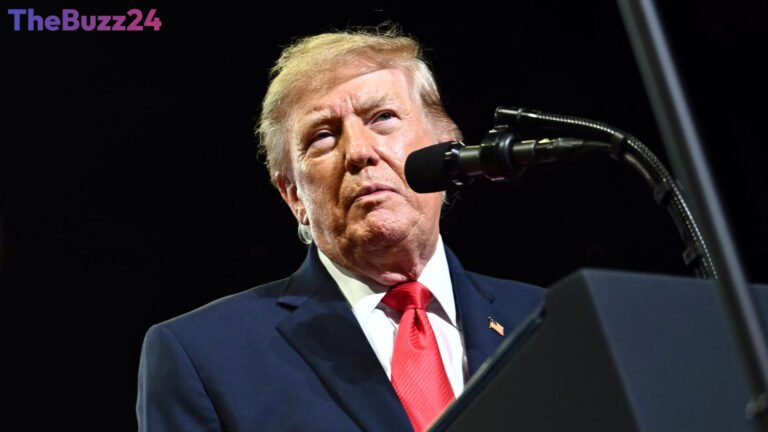
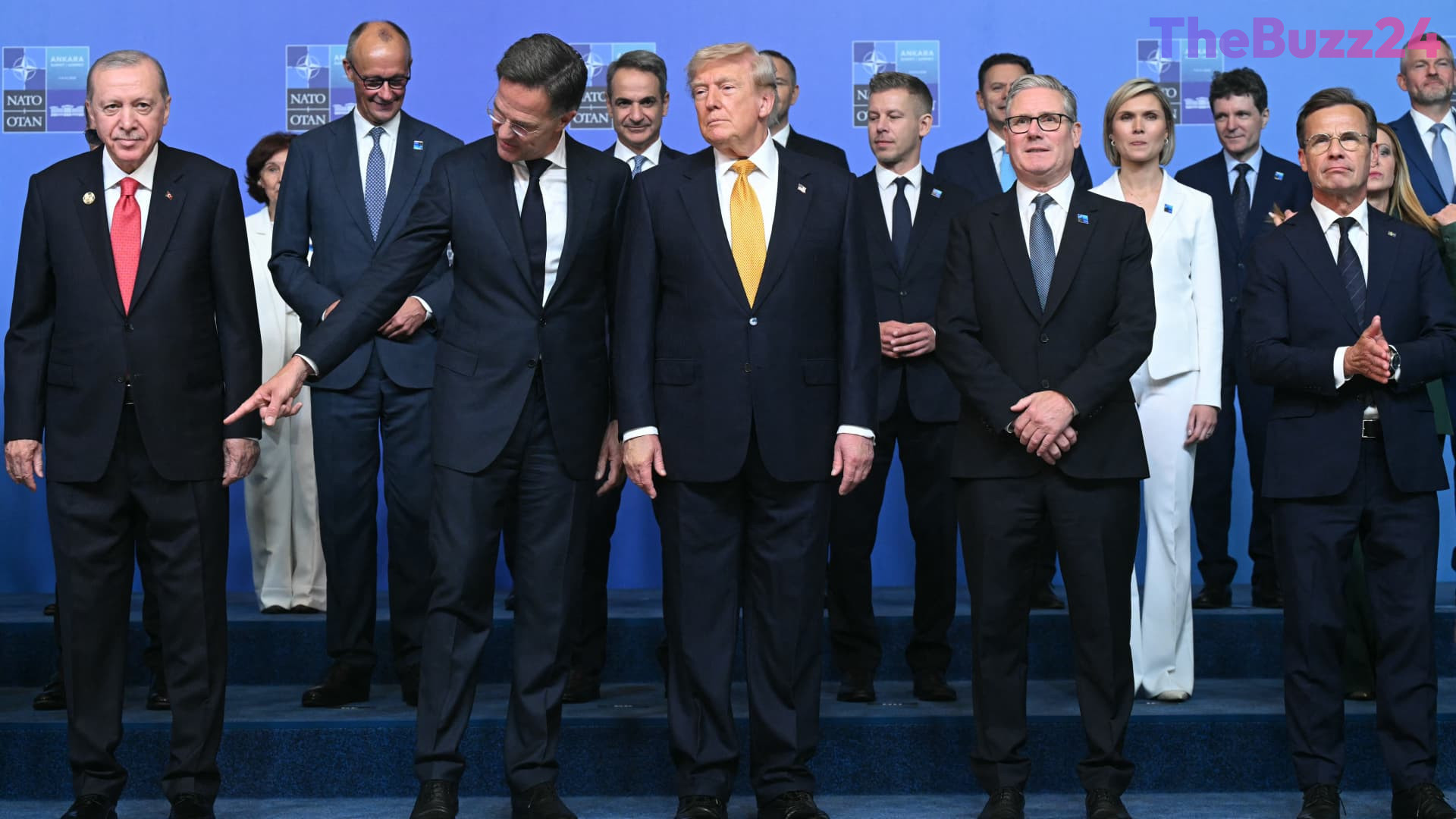
President Donald Trump concluded a tense NATO summit in Ankara, Turkey, without securing new commitments from European allies to support U.S. military efforts against Iran. Despite escalating tensions in the Middle East, European leaders remained hesitant to join the conflict, prompting sharp criticism from the U.S. president. Trump expressed frustration with the alliance, accusing members of failing to assist against what he termed the world’s primary state sponsor of terrorism, while simultaneously sending mixed signals about the future of America’s commitment to mutual defense.
During the summit, Trump characterized his request for assistance in the Iran conflict as a loyalty test for NATO members, including Germany, France, and the United Kingdom. He repeatedly threatened to withdraw the approximately 68,000 U.S. troops stationed across Europe, linking the potential drawdown to grievances over defense spending and a rebuffed attempt to acquire Greenland. When questioned on whether the U.S. would honor its Article 5 collective defense commitments if an ally were attacked, Trump declined to give a direct guarantee, emphasizing that European nations had failed to support American initiatives.
Despite the rhetorical pressure, European leaders largely dismissed Trump’s threats of a complete troop withdrawal as posturing. Leaders from Poland, Norway, and Estonia expressed confidence that U.S. forces would remain in Europe to counter regional security threats, particularly from Russia. Polish President Karol Nawrocki emphasized the strong bilateral relationship with the U.S. and expressed a desire to establish a permanent American military camp in Poland. Meanwhile, NATO Secretary General Mark Rutte sought to de-escalate tensions by highlighting Europe’s logistical support, noting that thousands of U.S. military flights had utilized European airspace and bases for operations.
The summit also highlighted ongoing debates over defense spending within the alliance. While some European leaders acknowledged that U.S. pressure has successfully driven up defense budgets, others noted that the immediate threat from Russia is the primary catalyst for increased spending. Discussions emerged around raising defense spending targets, with some Baltic leaders advocating for a “5% club” where member states commit five percent of their GDP to defense, reflecting the heightened security anxieties in Eastern Europe.
Key Takeaways
- President Trump failed to secure new military or economic commitments from NATO allies to assist with the ongoing conflict with Iran.
- Trump threatened to withdraw all 68,000 U.S. troops from Europe, though European leaders largely dismissed this as an empty threat.
- NATO members continue to face intense pressure to increase defense spending, with some Eastern European nations advocating for a 5% GDP target.
Editor’s Analysis & Impact
The widening rift between the U.S. and its European allies over Iran highlights a fundamental divergence in geopolitical priorities. While the U.S. seeks to leverage the NATO alliance to project power in the Middle East and isolate Iran economically, European nations remain focused on the immediate threat posed by Russia on their eastern flank. Trump’s transactional approach to collective defense—treating Article 5 commitments as contingent on support for unilateral U.S. foreign policy goals—threatens to undermine the credibility of the alliance’s deterrence strategy. For global markets, this persistent friction introduces heightened geopolitical risk, particularly in energy sectors sensitive to Middle Eastern stability and European defense supply chains. As European nations accelerate their defense spending to hedge against potential U.S. disengagement, defense contractors in Europe and North America are poised for sustained long-term growth.
Frequently Asked Questions
Q: Why did President Trump criticize NATO allies during the summit?
A: Trump criticized NATO allies for their reluctance to support U.S. military and economic actions against Iran, which he framed as a test of loyalty to the alliance.
Q: How did European leaders react to threats of U.S. troop withdrawals?
A: European leaders largely dismissed the threats as posturing, expressing confidence that U.S. forces would remain in Europe to maintain regional stability and counter Russian influence.
Q: What is the '5% club' mentioned by some NATO leaders?
A: The '5% club' refers to a proposal by some Eastern European leaders to raise the defense spending target for NATO member states to 5% of their GDP, reflecting increased security concerns in the region.
AI Disclosure: This article is based on verified data and official reports. Our Team and AI have cross-referenced every financial detail with primary sources to ensure total accuracy.
More from this Category