Trump Challenges Supreme Court on Birthright Citizenship and Demands Rare Rehearing
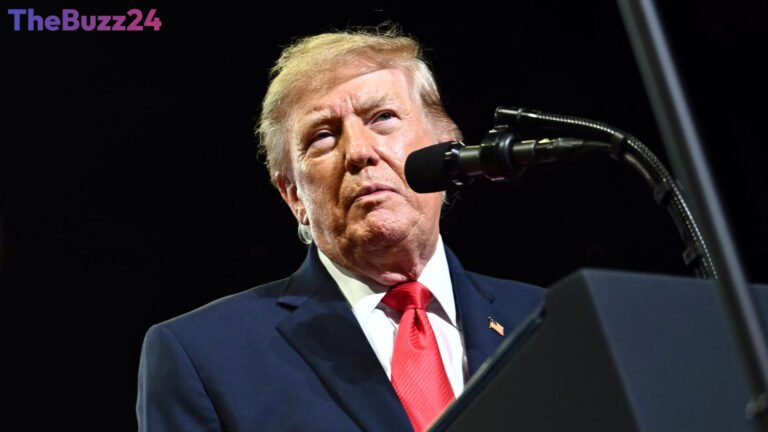
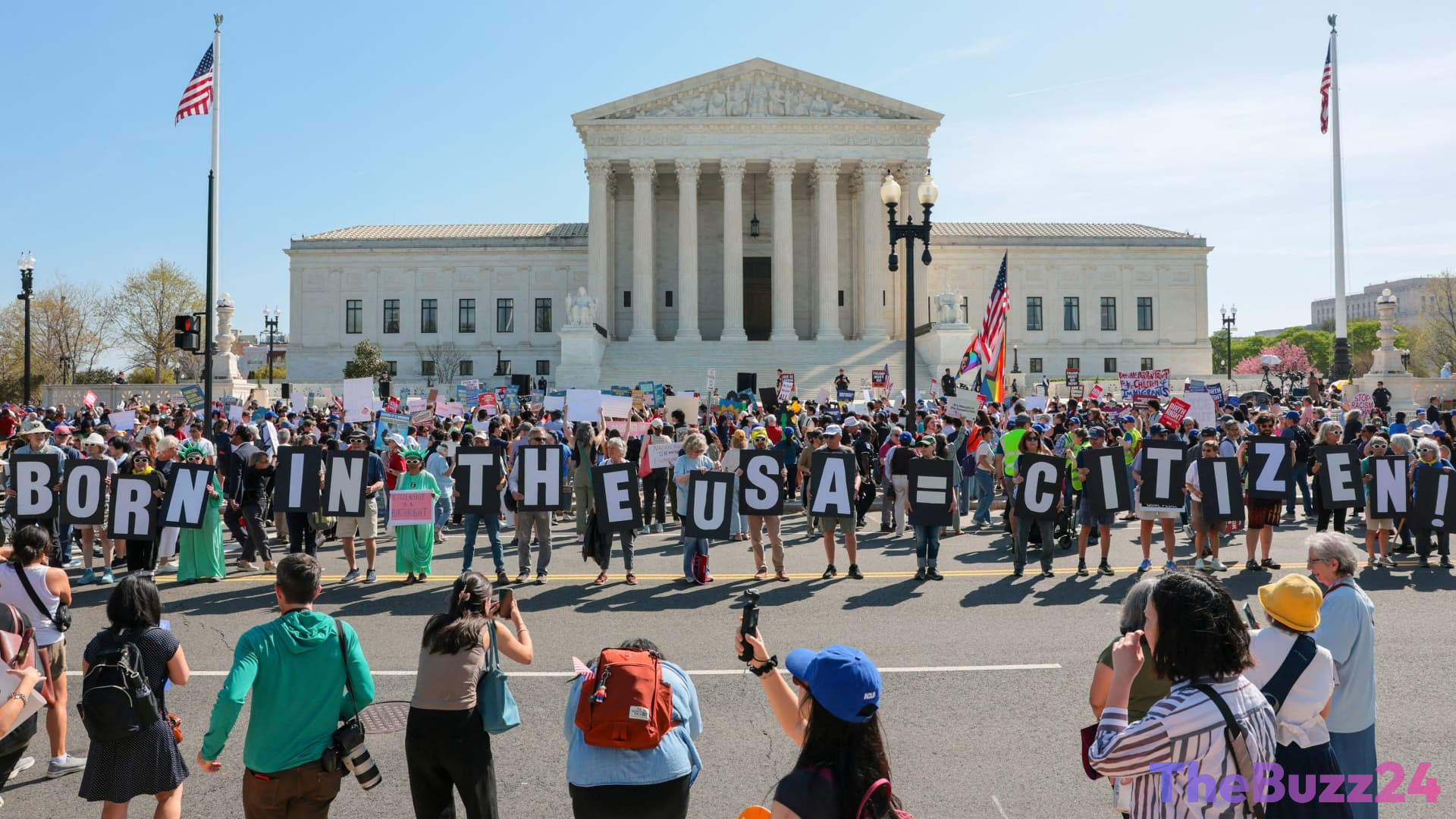
President Donald Trump has announced plans to launch a highly unusual legal bid, asking the U.S. Supreme Court to rehear a case concerning birthright citizenship. The move comes after the nation’s highest court ruled against his executive order, which aimed to severely limit automatic citizenship for children born in the United States to undocumented parents. In its June 30 decision, the Court upheld that the Fourteenth Amendment’s Citizenship Clause guarantees citizenship to all individuals born on U.S. soil.
The contested executive order, signed by Trump on January 20, 2025, sought to block the issuance of citizenship documents to babies born in the U.S. if their parents lacked legal immigration status. Expressing his frustration on Truth Social, Trump alleged that commercial operations are exploiting the ruling, claiming billboards in Mexico and along the southern border are advertising “birthright citizenship” packages starting at $4,000. He condemned the practice as a “scam” and declared that “American citizenship is not for sale,” warning that the ruling would have devastating consequences for the country.
Legal experts note that Trump’s petition faces nearly insurmountable odds. The Supreme Court rarely grants rehearings for cases it has already decided. Historical records show the Court has not agreed to rehear an argued case since 1965, and it has not reversed a prior decision through a rehearing since 1956. Despite these historical precedents, the administration remains determined to push forward with the immediate filing.
This is not the only legal battle Trump is fighting at the high court. He has also petitioned the Supreme Court to reconsider its June 29 refusal to hear his appeal regarding a civil verdict that found him liable for sexually abusing and defaming writer E. Jean Carroll. Amid these legal maneuvers, a Manhattan District Court judge ordered the release of approximately $5.8 million—consisting of Trump’s original $5 million court deposit plus accrued interest—to Carroll, proceeding despite the pending Supreme Court petition.
Key Takeaways
- President Trump is seeking an extremely rare Supreme Court rehearing to revive his executive order restricting birthright citizenship.
- The Supreme Court previously ruled that the Fourteenth Amendment guarantees citizenship to all children born in the U.S., regardless of their parents' legal status.
- Separately, a federal judge has ordered the release of $5.8 million to E. Jean Carroll, despite Trump's ongoing appeals in that civil case.
Editor’s Analysis & Impact
Trump’s aggressive push to challenge the Supreme Court’s birthright citizenship ruling highlights a core pillar of his hardline immigration platform. However, the legal strategy faces historic headwinds. The Supreme Court’s reluctance to grant rehearings—unseen for nearly six decades—suggests this petition is more of a political statement than a viable legal pathway. By framing the issue around alleged commercial exploitation and “citizenship for sale,” Trump is rallying his political base and keeping immigration at the forefront of national discourse. Concurrently, his ongoing legal battles, including the payout to E. Jean Carroll, continue to complicate his legal standing, demonstrating the multi-front judicial challenges his administration faces.
Frequently Asked Questions
Q: What is birthright citizenship?
A: Birthright citizenship is the legal right to citizenship for anyone born within the territory of a country, guaranteed in the United States by the Citizenship Clause of the Fourteenth Amendment.
Q: Why is Trump's request for a Supreme Court rehearing considered a long shot?
A: The Supreme Court rarely rehears cases. It has not agreed to rehear an already argued case since 1965, and has not reversed a decision via rehearing since 1956.
Q: What is the status of Trump's legal dispute with E. Jean Carroll?
A: Despite Trump's pending appeals, a Manhattan District Court judge has ordered the distribution of $5.8 million (the original damages deposit plus interest) to Carroll.
AI Disclosure: This article is based on verified data and official reports. Our Team and AI have cross-referenced every financial detail with primary sources to ensure total accuracy.
More from this Category