World Cup Drama Triggers Historic Surge in Google Search Traffic
The intense drama of the World Cup has propelled Google Search to unprecedented heights, setting a new historical record for the highest number of queries processed per second. The massive spike in traffic occurred immediately following a thrilling knockout match where Argentina secured a dramatic comeback victory against Egypt. As fans worldwide rushed to their screens and keyboards to digest the action, the sheer volume of simultaneous searches surpassed all previous milestones in the tech giant’s history.
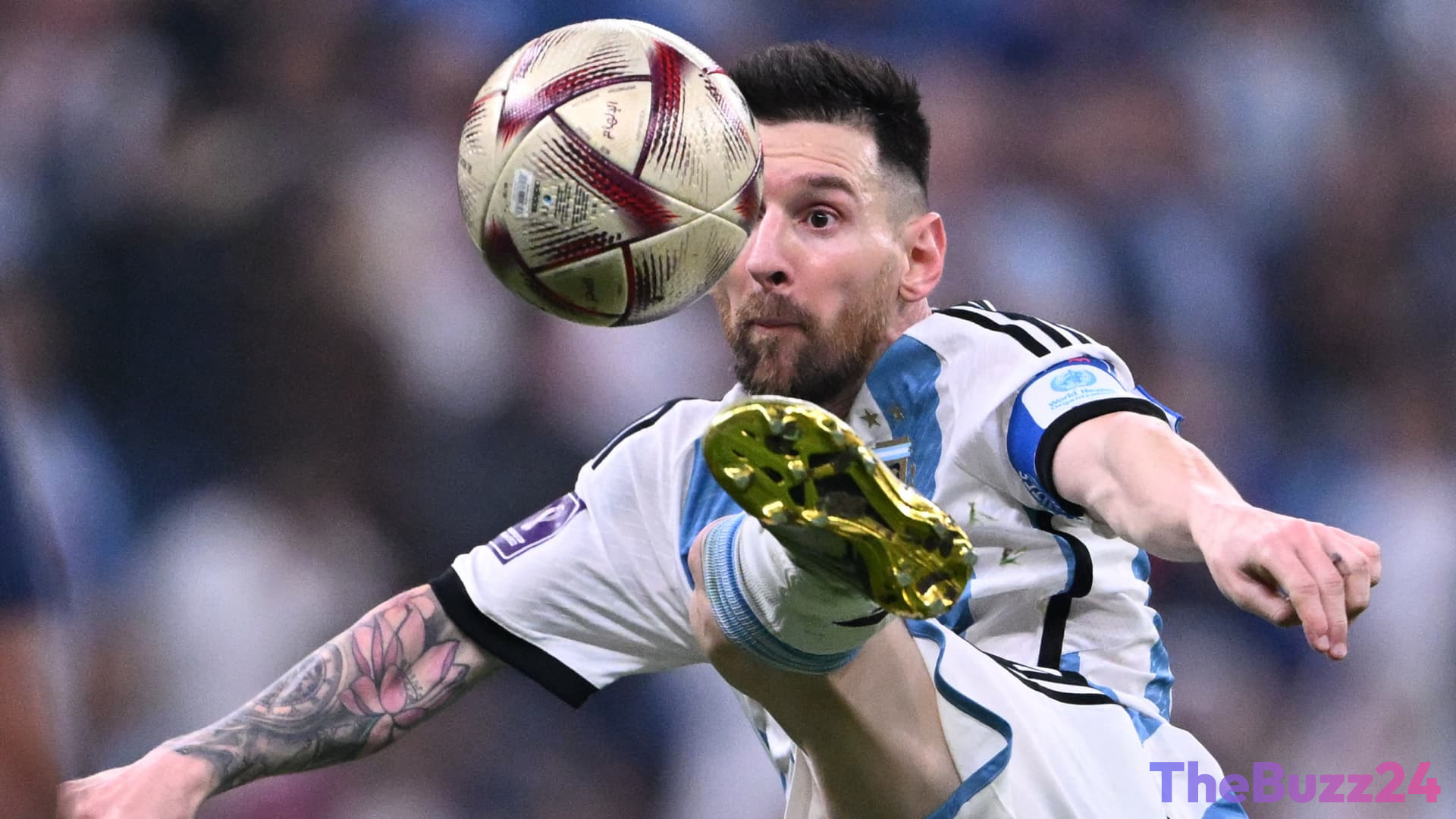
The record-breaking surge was catalyzed by a late-game rally from the Argentine national team. Following a goal by Cristian Romero, superstar Lionel Messi delivered a crucial equalizer in the 83rd minute to help seal the win. According to internal communications from Nick Fox, head of Google’s Knowledge and Information division, the search engine experienced its highest usage peak in history right after the decisive winning goal. Top trending search terms globally included “argentina vs egypt,” queries regarding Messi’s career World Cup goal tally, and questions about whether this tournament would mark the legendary player’s final World Cup appearance.
This massive traffic milestone arrives at a critical juncture for Google’s parent company, Alphabet. As generative artificial intelligence and conversational chatbots threaten to disrupt traditional search behaviors, Google has been under pressure to demonstrate the enduring relevance of its core product. Currently maintaining a dominant 90% share of the global search market, the company recently reported its fastest revenue growth since 2022, alongside a doubling of its stock price over the past year. This latest surge underscores the reality that for real-time, global cultural events, traditional search remains the public’s primary gateway to information.
Key Takeaways
- Google Search achieved its highest-ever queries per second following Argentina's dramatic World Cup victory over Egypt.
- The peak traffic was driven by real-time fan reactions to late-game goals by Cristian Romero and Lionel Messi.
- This milestone highlights the resilience of traditional search engines in handling massive, real-time global events amid rising competition from AI chatbots.
Editor’s Analysis & Impact
This record-breaking event serves as a powerful reminder of Google’s deeply entrenched position in the global digital ecosystem. While the rise of AI chatbots like ChatGPT has sparked intense debate over the future of search, generative AI models are currently ill-equipped to handle the massive, real-time, high-concurrency demands of live global events. Google’s infrastructure proved its unparalleled scalability by seamlessly processing millions of simultaneous queries during the World Cup peak. For advertisers and investors, this event reinforces Google’s unmatched utility as the world’s town square during major cultural moments. Moving forward, the challenge for Alphabet will be integrating advanced AI features without compromising the speed and reliability that users expect during live, high-stakes events.
Frequently Asked Questions
Q: What caused Google Search to break its all-time traffic record?
A: The record was broken due to a massive surge in queries per second immediately following Argentina's dramatic comeback win against Egypt in a World Cup knockout match, specifically right after the winning goal.
Q: What were some of the most popular search queries during the peak?
A: Users heavily searched for "argentina vs egypt," "how many world cup goals does messi have," and queries regarding whether this would be Lionel Messi's final World Cup tournament.
Q: Why is this milestone significant for Google amid the rise of AI?
A: It demonstrates that despite the growing popularity of AI chatbots, traditional search remains the dominant and preferred platform for billions of users seeking real-time information during major live global events.
AI Disclosure: This article is based on verified data and official reports. Our Team and AI have cross-referenced every financial detail with primary sources to ensure total accuracy.
More from this Category