Designing the Perfect Flight: New Research Reveals Passenger Comfort Thresholds for Air Taxis
As the aviation industry races to commercialize electric vertical takeoff and landing (eVTOL) aircraft, commonly known as air taxis, a critical hurdle remains: passenger comfort. Unlike commercial airliners that cruise at high altitudes, air taxis will operate in lower, more turbulent urban environments. To address this, a comprehensive multi-year study has mapped out exactly how sudden aircraft movements affect a passenger’s willingness to fly, providing crucial data that could shape the future of urban air mobility.
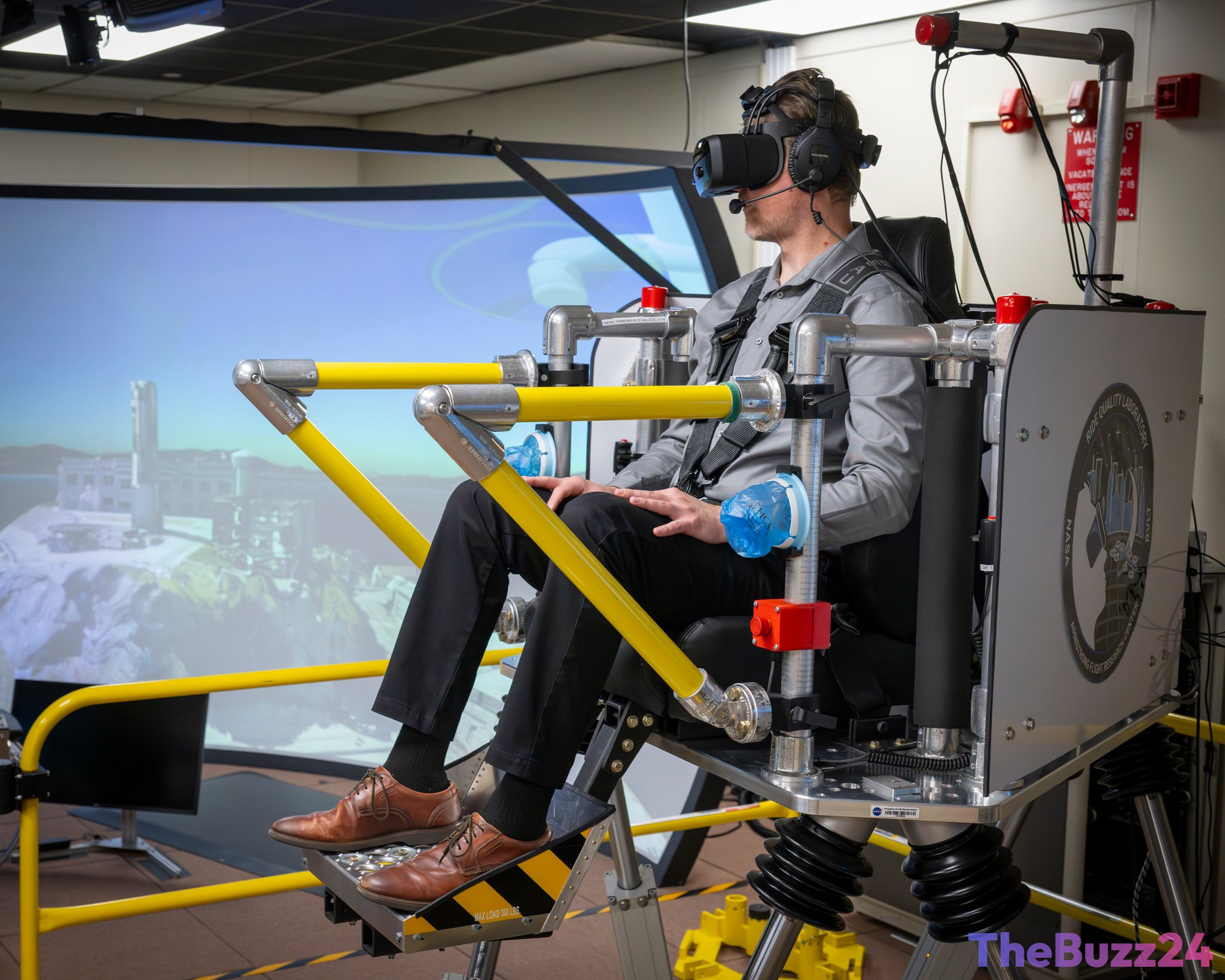
To gather this vital data, researchers at the Armstrong Flight Research Center in Edwards, California, utilized a state-of-the-art virtual reality motion simulator. Volunteer participants strapped into the simulator to experience the sudden pitches, tilts, and rapid accelerations that future air taxis might encounter during flight. The simulated route took passengers on a trip from downtown San Francisco to Alcatraz Island, exposing them to varying degrees of motion. Participants then rated their comfort levels, allowing researchers to pinpoint the exact thresholds where flight maneuvers transition from thrilling to uncomfortable.
The findings revealed a significant shift in passenger expectations. When comparing the results to historical ride-quality data from five decades ago, researchers discovered that modern travelers are far less tolerant of rough, turbulent motion than passengers of the past. Even moderate changes in pitch and roll caused discomfort for a notable portion of the participants. This feedback has been used to develop predictive models that link specific aircraft motions to a passenger’s likelihood of choosing to fly again.
These new models will serve as a guide for aircraft manufacturers and flight operators, helping them design stabilization systems and plan flight paths that minimize the jarring effects of wind gusts, sharp turns, and rapid descents. By establishing clear boundaries for acceptable flight motion, the industry can better design vehicles that prioritize passenger peace of mind, ensuring that the emerging air taxi market can successfully transition from a futuristic concept into a trusted daily commuting option.
Key Takeaways
- Virtual reality flight simulations were used to map passenger reactions to sudden air taxi movements like pitching, tilting, and rapid acceleration.
- Data indicates modern travelers have a significantly lower tolerance for rough flights compared to airline passengers from 50 years ago.
- The resulting predictive models will help manufacturers design smoother aircraft and plan flight paths that minimize discomfort from wind gusts and landings.
Editor’s Analysis & Impact
The urban air mobility (UAM) market is projected to grow exponentially over the next decade, but its commercial success hinges entirely on public adoption and trust. This research addresses a critical, often overlooked barrier to entry: passenger motion sickness and anxiety. Unlike traditional commercial jets that fly at high altitudes where air is relatively stable, air taxis will operate in turbulent urban microclimates, navigating between skyscrapers and dealing with unpredictable wind shear. By establishing quantitative comfort thresholds, this study provides eVTOL manufacturers with a scientific blueprint to optimize flight control software. Ultimately, prioritizing ride quality over maximum aerodynamic performance may be the deciding factor in whether air taxis become a mainstream transportation staple or remain a niche novelty.
Frequently Asked Questions
Q: Why is passenger comfort so critical for the air taxi industry?
A: Unlike traditional aviation, air taxis rely on repeat commuter business in urban areas. If passengers experience motion sickness or anxiety due to sudden drops or tilts, they are highly unlikely to use the service again, threatening the financial viability of the entire sector.
Q: How did researchers gather data on passenger comfort?
A: Researchers used a state-of-the-art virtual reality motion simulator at the Armstrong Flight Research Center. Volunteers experienced simulated flights between San Francisco and Alcatraz Island, rating their comfort levels across various degrees of pitch, roll, and acceleration.
Q: What did the study reveal about modern passenger expectations?
A: The study suggested that today's travelers are less tolerant of rough, turbulent motion than airline passengers were 50 years ago, highlighting the need for highly stabilized and smooth flight controls in modern eVTOL designs.
AI Disclosure: This article is based on verified data and official reports. Our Team and AI have cross-referenced every financial detail with primary sources to ensure total accuracy.
More from this Category