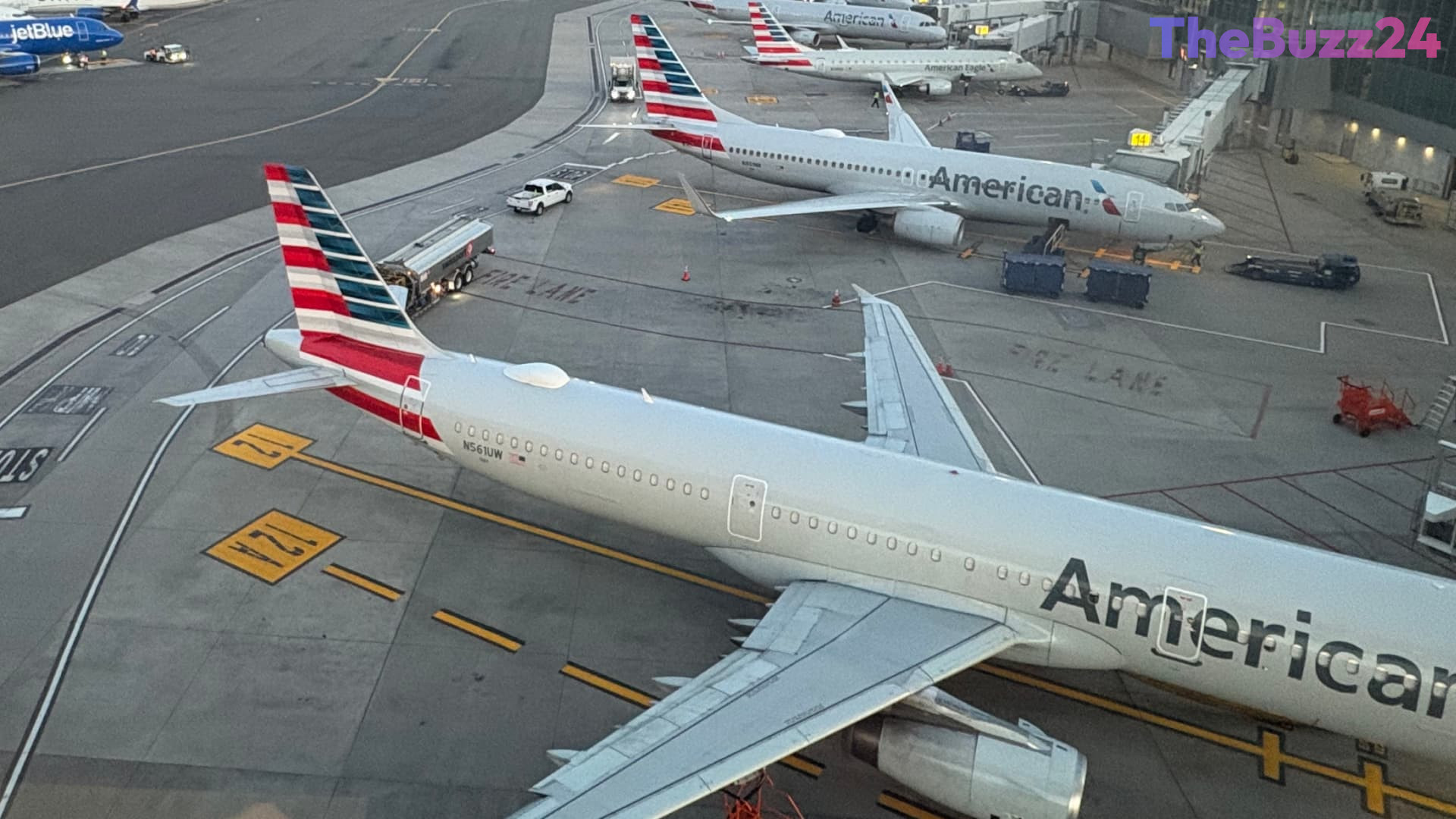
American Airlines Shares Slide 8% After Lowering 2026 Outlook Amid Rising Fuel Costs
American Airlines experienced an 8% drop in its stock value during early trading following a downward revision of its financial projections for 2026. The major carrier pointed to persistent volatility and spikes in jet fuel prices as the primary driver behind the adjustment, indicating that recent increases in ticket prices have fallen short of neutralizing surging operational expenses.
The updated forecast now projects an adjusted full-year result ranging from a loss of 65 cents per share to earnings of 65 cents per share. This represents a notable downgrade from previous estimates issued in April, which anticipated results ranging from a 40-cent loss to $1.10 in earnings per share, and falls well short of initial projections made at the beginning of the year.
Despite the financial headwinds, leadership remains committed to strategic expansion. Executives defended plans to increase flight capacity by up to 5% for the current quarter. Furthermore, CEO Robert Isom and his executive team are pressing forward with long-term initiatives designed to close the profitability gap between American and industry peers like Delta Air Lines and United Airlines, which includes fleet upgrades and the addition of premium seating options.
Key Takeaways
- American Airlines shares fell roughly 8% in early trading following a reduced 2026 financial forecast.
- The airline adjusted its full-year expectations to a range between a loss of 65 cents and earnings of 65 cents per share, citing volatile fuel costs.
- Despite dropping profits and wider margin gaps with competitors like Delta and United, American plans to expand flight capacity and introduce more premium seating.
Editor’s Analysis & Impact
The latest financial update from American Airlines underscores the immense vulnerability traditional carriers face regarding fuel price volatility, which remains their second-highest operational expense after labor. While consumer demand for travel remains robust and has allowed airlines to implement higher fares, this pricing power is clearly insufficient to completely absorb sharp energy spikes. The widening profit gap between American and its primary competitors—Delta Air Lines and United Airlines—highlights persistent structural and strategic challenges. Moving forward, American’s heavy capital investments in fleet modernization and high-yielding premium seats will be critical litmus tests. If these operational pivots fail to yield the desired margin improvements, investor pressure on executive leadership could mount significantly.
Frequently Asked Questions
Q: Why did American Airlines lower its 2026 earnings forecast?
A: The airline lowered its outlook primarily due to volatile and rising fuel costs, which have outpaced the revenue gains made from higher airfares.
Q: How did American Airlines' stock react to the news?
A: American Airlines shares tumbled roughly 8% in early trading following the announcement of the lowered financial outlook.
Q: What strategies is American Airlines using to close the profit gap with competitors?
A: The carrier is planning to order new wide-body aircraft, add more high-yielding premium seats to older jets, and continue optimizing its flight network to catch up with rivals like Delta and United.
AI Disclosure: This article is based on verified data and official reports. Our Team and AI have cross-referenced every financial detail with primary sources to ensure total accuracy.
More from this Category