Global Trade Tensions Escalate as US Imposes Sweeping New Tariffs
The United States has initiated a significant new round of tariffs, impacting 60 of its key trading partners, including major economies like the United Kingdom, China, and the European Union. These new duties, ranging from 10% to 12.5%, will apply to nearly all American imports from these nations, marking a renewed escalation in global trade tensions under the Trump administration. The official rationale for these levies cites the failure of these economic partners to adequately address forced labor practices within their supply chains.
This latest move replaces a similar temporary tariff regime that recently expired. However, trade experts offer a different perspective on the administration’s motivations. Caroline Freund, a prominent US trade expert, suggests that the focus on forced labor may serve as a legal pretext, especially after the US Supreme Court previously invalidated many globally imposed tariffs enacted under emergency powers. According to Freund, the underlying objectives, as articulated by US Trade Representative Jamieson Greer and President Trump himself, are primarily centered on reducing the trade deficit and bolstering US manufacturing.
The imposition of these tariffs is expected to raise costs for businesses and consumers, although the presence of exempted goods might temper the overall impact. Trade policy expert Deborah Elms notes that the administration appears resolute in its tariff strategy, making it challenging for targeted countries to demonstrate sufficient measures against forced labor imports. Consequently, many trading partners are anticipated to express disappointment and may explore strategies to lessen their economic reliance on the US by forging new international agreements.
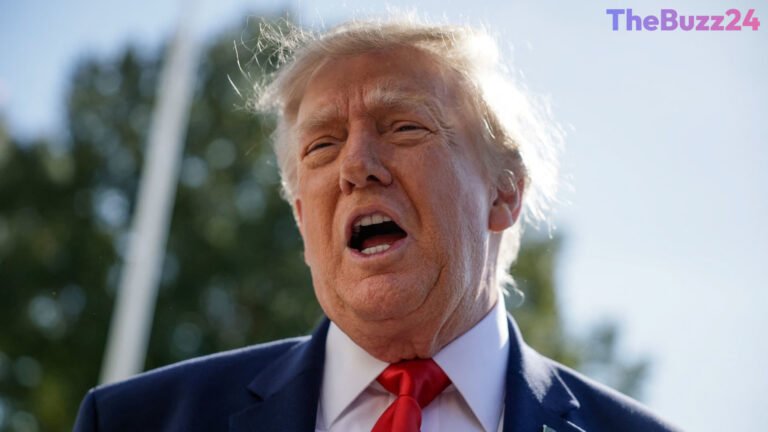
The repercussions are already being felt, with the UK, for instance, facing a comparative disadvantage against the EU, which benefits from a 10% all-inclusive tariff deal on its goods. Other nations have voiced strong objections, with Brazil labeling its 12.5% rate “unjustified,” and Japan and Australia expressing regret and deeming the levies “completely unjustified.” China, while denying allegations of forced labor, has reiterated its opposition to unilateral tariffs. This aggressive stance on trade underscores President Trump’s long-held belief that tariffs safeguard American jobs and stimulate the domestic economy, and further investigations into manufacturing overcapacity in other countries suggest the potential for additional tariffs in the near future.
Key Takeaways
- The US has imposed new tariffs (10-12.5%) on 60 trading partners, including the UK, China, and the EU, citing concerns over forced labor.
- Experts suggest the forced labor justification may be a legal means to pursue broader goals of reducing the trade deficit and boosting US manufacturing.
- The tariffs are expected to increase costs for businesses and consumers, prompting affected nations to seek alternative trade partnerships and express strong disapproval.
Editor’s Analysis & Impact
This latest wave of tariffs signals a significant re-escalation of global trade tensions, with profound implications for international commerce and supply chains. Businesses reliant on imports from the 60 targeted nations will likely face increased operational costs, which could translate into higher consumer prices. The move also risks further fragmenting global trade relationships, as affected countries, particularly the UK, may seek to diversify their economic partnerships away from the US. While officially framed around human rights, the underlying economic protectionism could provoke retaliatory measures, exacerbating instability in the global economy. The administration’s continued pursuit of tariffs, despite past legal challenges, indicates a determined long-term strategy that will reshape trade dynamics and potentially accelerate de-globalization trends.
Frequently Asked Questions
Q: Which countries are primarily affected by these new US tariffs?
A: The new tariffs impact 60 US trading partners, including major economies such as the United Kingdom, China, and the European Union.
Q: What is the stated reason for the US imposing these tariffs?
A: The US administration states that the tariffs are being imposed due to concerns that key economic partners have failed to adequately address forced labor practices.
Q: What is the expected economic impact of these tariffs?
A: The tariffs are anticipated to increase costs for businesses and consumers. Experts also suggest they may lead to affected countries seeking to reduce their dependence on the US by forging new trade deals with other nations.
AI Disclosure: This article is based on verified data and official reports. Our Team and AI have cross-referenced every financial detail with primary sources to ensure total accuracy.
More from this Category