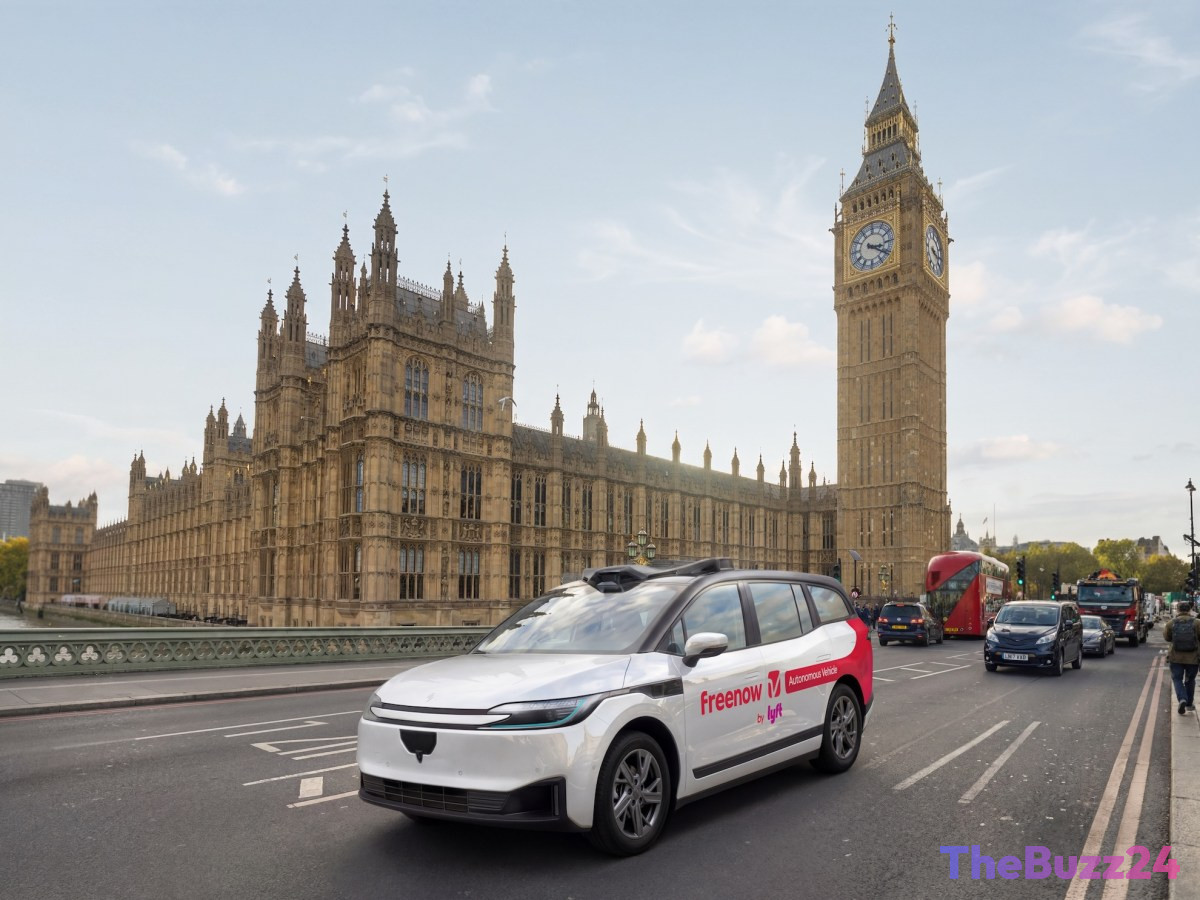
London Becomes Autonomous Driving Hub as Baidu and Lyft Kick Off Robotaxi Trials
London’s growing autonomous transport market has gained a major new contender as Chinese technology giant Baidu, in collaboration with ride-hailing provider Lyft, officially initiated trials of self-driving vehicles on the city’s streets. Operating through Lyft’s European subsidiary, Freenow, the initial testing phase features vehicles equipped with human safety operators monitoring systems behind the wheel. This development marks a significant step forward following a strategic agreement forged last year to bring Baidu’s specialized Apollo Go RT6 autonomous vehicles to key European urban centers.
The initial fleet of test vehicles is currently navigating specified routes within London’s borough of Brent. This rollout comes as part of a broader industry push to establish commercial driverless taxi networks across the United Kingdom. Safety officials and regulatory bodies, including Transport for London and the Centre for Connected and Autonomous Vehicles, are actively engaged with the participating firms to ensure strict safety standards are met while the UK government refines its overarching legal framework for autonomous transportation pilots.
Competition in London’s self-driving sector is escalating rapidly among foreign and domestic operators. Industry rivals such as Waymo have already begun safety-monitored trials in the capital, while Uber and its autonomous technology partner Wayve are also preparing localized service rollouts. Under current timelines, the partnership between Baidu and Lyft aims to open commercial rides to the general public by 2027, depending on regulatory approvals and trial outcomes.
To address concerns regarding labor displacement, the platform plans to utilize a hybrid fleet model once commercial operations begin. This operational strategy will integrate autonomous robotaxis alongside existing professional taxi and private-hire drivers. Company leadership emphasized that the introduction of automated technology is structured to support and complement traditional drivers rather than fully replace the existing workforce.
Key Takeaways
- Baidu and Lyft have commenced safety-monitored autonomous vehicle testing in London's borough of Brent using Apollo Go RT6 models.
- Commercial availability for public robotaxi hailing on the Freenow platform is projected for 2027, pending regulatory approval.
- The companies plan to run a hybrid network model that operates automated robotaxis alongside traditional human drivers.
Editor’s Analysis & Impact
London is quickly establishing itself as Europe’s central testing ground for autonomous ride-hailing services, fueled by proactive regulatory initiatives from the UK government. The joint effort between Baidu and Lyft underlines the high stakes in the global mobility space, placing them in direct competition with players like Waymo and Uber. By integrating Baidu’s Apollo Go RT6 tech into Freenow’s existing operational framework, Lyft gains a strategic foothold in Europe without developing proprietary hardware from scratch. However, commercial success by 2027 will heavily rely on navigating London’s complex, congested urban grid and establishing trust with both regulators and the public. Furthermore, the commitment to a hybrid fleet model demonstrates an attempt to soft-land autonomous integration and minimize disruption to traditional taxi labor forces.
Frequently Asked Questions
Q: When will public passenger rides become available in London?
A: The companies expect to invite the general public to hail commercial robotaxi rides in 2027, subject to regulatory clearances and successful trial completions.
Q: Which autonomous vehicle model is being used for the testing?
A: The trials utilize Baidu's purpose-built Apollo Go RT6 autonomous vehicle.
Q: Will traditional human drivers be replaced by robotaxis?
A: No, the operating platform intends to run a hybrid network where autonomous robotaxis function alongside traditional human taxi and private-hire drivers.
AI Disclosure: This article is based on verified data and official reports. Our Team and AI have cross-referenced every financial detail with primary sources to ensure total accuracy.
More from this Category