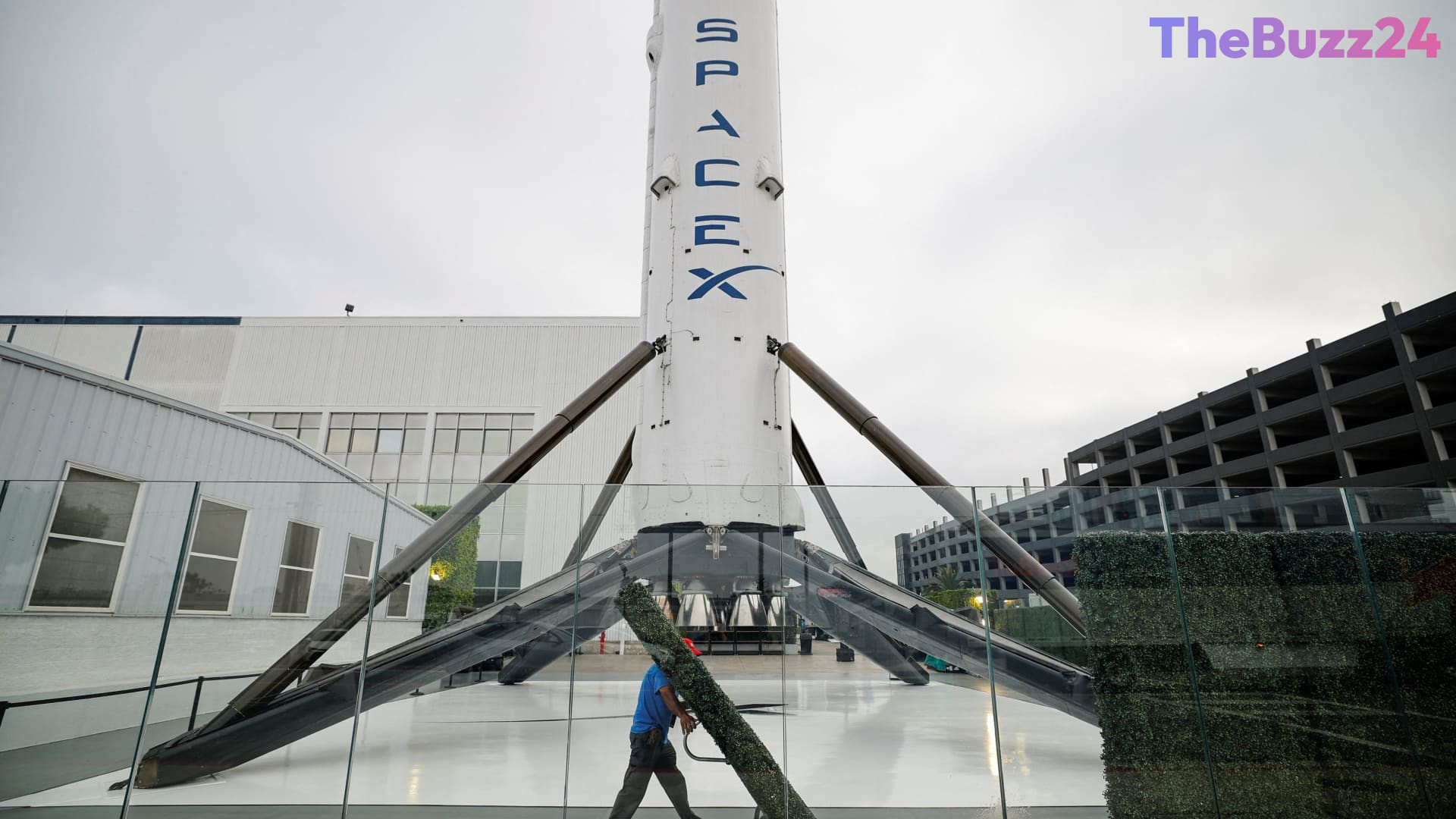
Derelict SpaceX Rocket Set for High-Speed Impact on the Moon
An abandoned SpaceX rocket booster is hurtling toward the lunar surface on a direct collision course, drawing significant attention from the global astronomical community. The upper stage of the rocket, which spent over a year drifting through space following a deep-space mission, is expected to make an uncontrolled impact near the moon’s Einstein Crater. Traveling at velocities reaching several thousand miles per hour, the collision will unleash kinetic energy equivalent to multiple tons of TNT, creating a distinct crater and a massive plume of lunar dust.
While the impending crash poses no danger to Earth, it underscores the escalating challenge of orbital debris as space exploration accelerates. The rocket was originally utilized to transport private lunar landers, but its trajectory decayed into a chaotic orbit because it lacked sufficient fuel to escape the Earth-moon system entirely. Astronomers and planetary scientists plan to closely monitor the event using Earth-based telescopes, alongside specialized instruments aboard orbiting spacecraft such as NASA’s Lunar Reconnaissance Orbiter and South Korea’s Danuri.
Events like this provide a rare, controlled opportunity for researchers to study the mechanics of hyper-velocity impacts on celestial bodies lacking an atmosphere. Because the moon’s surface preserves ejecta plumes for extended periods due to the lack of wind and low gravity, the resulting crater will offer valuable insights into surface composition and impact dynamics. Experts emphasize that as space agencies and private aerospace firms ramp up lunar missions, establishing rigorous traffic management and debris mitigation protocols will be vital to safeguarding future human outposts and robotic infrastructure on the moon.
Key Takeaways
- A derelict SpaceX rocket upper stage is on a direct, uncontrolled collision course with the moon.
- The high-speed impact is predicted to create a substantial crater and a visible dust plume on the moon's near side.
- Scientists view the crash as a valuable opportunity to study impact dynamics and evaluate the growing challenge of space debris.
Editor’s Analysis & Impact
The impending collision of the derelict SpaceX rocket highlights a critical and often overlooked bottleneck in the modern space economy: orbital congestion beyond Earth’s immediate orbit. As commercial ventures and national space programs increasingly target the moon for scientific exploration and resource utilization, the cislunar space environment is becoming rapidly cluttered with defunct hardware. While this specific impact serves as a unique scientific laboratory for astronomers studying crater formation and ejecta dynamics, it also sounds an alarm bell for future lunar infrastructure. Industry stakeholders must soon pivot toward proactive space traffic management and stricter disposal mandates for deep-space hardware. Without standardized debris mitigation frameworks, future lunar bases, crewed habitats, and automated logistics networks will face compounding operational risks from untracked or poorly managed space junk drifting through the Earth-moon system.
Frequently Asked Questions
Q: Will the rocket impact be visible from Earth?
A: The initial impact flash will likely be too dim to see directly, but the massive plume of ejected lunar dust could remain visible to professional and amateur telescopes for tens of minutes.
Q: Is this the first time a human-made object has accidentally hit the moon?
A: No, this is the second documented accidental lunar impact involving a dead rocket segment, following a Chinese rocket stage that struck the far side of the moon in 2022.
Q: Why are scientists interested in studying this crash?
A: Researchers want to observe how debris impacts behave in low-gravity environments without wind, which helps them better understand planetary physics and assess potential hazards for future astronauts and lunar bases.
AI Disclosure: This article is based on verified data and official reports. Our Team and AI have cross-referenced every financial detail with primary sources to ensure total accuracy.
More from this Category