The $9 Physical Solution to Digital Distraction
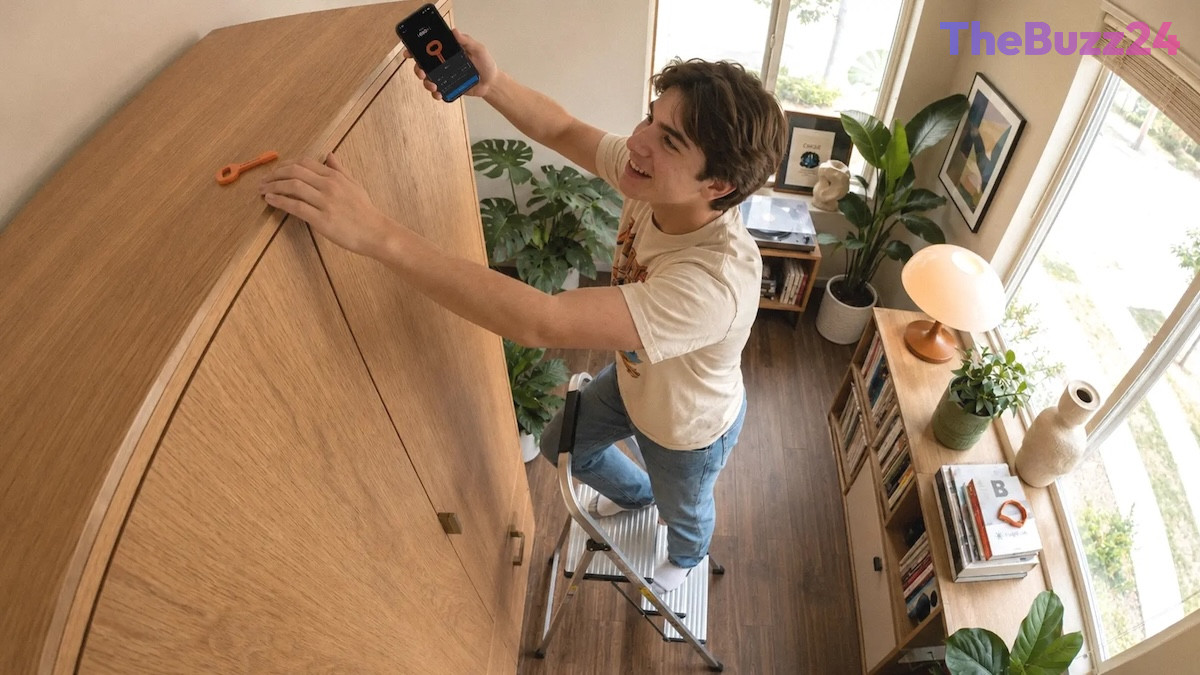
Digital wellness tools often fail because they rely on the user’s willpower to ignore notifications or bypass timers. A new device, the Autonomous Key, aims to solve this by introducing a physical barrier to smartphone addiction. By utilizing NFC technology, the key pairs with a companion app to lock distracting applications, requiring the user to physically scan the device against their phone to regain access. This tactile requirement forces users to make a deliberate choice rather than acting on a mindless impulse.
Designed to be placed in a separate room or even left at a different location, the Autonomous Key effectively removes the convenience of instant gratification. At a price point of $9, it significantly undercuts existing market competitors like Brick, Unpluq, and Blok. The device is compatible with modern Android and iOS smartphones and features a companion app that uses AI to analyze usage patterns, providing users with insights into their digital habits through a unique, personality-driven interface.
While the device offers a subscription-free experience, it is currently in its beta phase following a successful crowdfunding campaign. The hardware is compact and available in five distinct colors. Users should be aware that the device is best suited for social media or entertainment apps rather than critical communication tools, as the NFC scanning process can occasionally be inconsistent. The company is currently working on a backup unlock solution for users who might misplace their physical key.
Key Takeaways
- The Autonomous Key uses physical NFC scanning to bypass digital app blockers, removing the reliance on willpower.
- At $9, the device is significantly more affordable than existing competitors and requires no ongoing subscription fees.
- The companion app utilizes AI to track usage habits and provides feedback, though the hardware is currently in beta with future updates planned.
Editor’s Analysis & Impact
The emergence of low-cost, hardware-based digital wellness tools signals a shift in how consumers are approaching screen time management. As users become increasingly aware of the ‘attention economy,’ there is a growing market for solutions that introduce friction into the user experience. By moving away from software-only solutions—which are easily bypassed by a simple tap—the Autonomous Key taps into the behavioral psychology of ‘choice architecture.’ If this product succeeds, we may see a broader trend of physical ‘off-switches’ for digital services. However, the long-term viability of such hardware depends on reliability and the development of robust recovery protocols for lost devices. The industry is clearly moving toward a hybrid model where physical hardware complements software to enforce healthier digital boundaries.
Frequently Asked Questions
Q: What happens if I lose my Autonomous Key while my apps are locked?
A: Currently, the workaround is to uninstall and reinstall the companion app. The company is actively developing a more permanent backup unlock method for future updates.
Q: Can I use one Autonomous Key for multiple devices?
A: Yes, the Autonomous Key can be paired with multiple phones, making it a versatile option for families or individuals who manage several devices.
AI Disclosure: This article is based on verified data and official reports. Our Team and AI have cross-referenced every financial detail with primary sources to ensure total accuracy.
More from this Category