Tragedy Strikes Ethiopian Monastery as Landslide Claims 14 Lives During Prayer Service
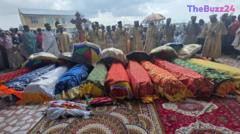
A devastating landslide has claimed the lives of 14 people at the Tsadqane Debre Mitmaq St Mary Monastery in Ethiopia’s northern Amhara region. The disaster occurred in the early hours of Monday morning when a hillside above the monastery collapsed following intense, overnight rainfall. The site, which features a prayer chamber carved directly into the mountainside, was hosting a large group of worshippers participating in a special overnight prayer service and holy water cleansing ritual.
Local officials confirmed that rescue operations have since been concluded, with seven additional individuals reported injured, five of whom remain in serious condition. The victims had gathered at the monastery seeking spiritual healing for various chronic illnesses, a common practice among Orthodox Christians in the region. Following the collapse, 11 of the deceased were laid to rest at the monastery grounds, while the remaining victims were transported to their respective hometowns for burial.
Emergency responders, including healthcare workers and security personnel, worked alongside local residents to navigate the debris in the immediate aftermath of the slide. Archbishop Abune Klementos, head of the North Shewa Diocese, visited the site to lead funeral prayers and provide support to the grieving families. The incident highlights the ongoing vulnerability of the region to geological hazards during the peak of the rainy season.
Landslides remain a persistent threat in Ethiopia, particularly between June and August. This tragedy follows a series of severe weather-related disasters in the country, including a catastrophic landslide in the Geze Gofa Zone in July 2024 that resulted in over 229 fatalities. Experts continue to warn that climate change is exacerbating the frequency and intensity of extreme weather events across East Africa, leading to more frequent and deadly downpours.
Key Takeaways
- A landslide at the Tsadqane Debre Mitmaq St Mary Monastery in Ethiopia killed 14 people during an overnight prayer service.
- The collapse was triggered by heavy, sustained rainfall, a recurring hazard during Ethiopia's primary rainy season.
- This event is part of a broader trend of increasingly severe weather-related disasters in East Africa linked to climate change.
Editor’s Analysis & Impact
The tragedy at the Tsadqane Debre Mitmaq St Mary Monastery underscores the intersection of climate vulnerability and infrastructure risk in East Africa. As extreme weather patterns become more erratic due to climate change, regions with mountainous terrain face heightened risks of landslides, particularly where historical sites and religious centers are carved into unstable geological formations. From an industry perspective, this highlights an urgent need for improved disaster preparedness, early warning systems, and geological risk assessments for both public infrastructure and culturally significant sites. The recurring nature of these disasters in Ethiopia suggests that without significant investment in climate-resilient infrastructure and land-use management, the economic and human toll of such events will likely continue to rise, placing further strain on local emergency services and regional stability.
Frequently Asked Questions
Q: What caused the landslide at the monastery?
A: The landslide was triggered by heavy, persistent rainfall that occurred throughout the night, causing the hillside above the monastery's cave-like prayer chamber to collapse.
Q: Are landslides common in Ethiopia during this time of year?
A: Yes, landslides are a recurring hazard in Ethiopia during the main rainy season, which typically spans from June to August.
AI Disclosure: This article is based on verified data and official reports. Our Team and AI have cross-referenced every financial detail with primary sources to ensure total accuracy.
More from this Category