French Wildfires Unearth Hundreds of Unexploded World War II Munitions in Le Porge
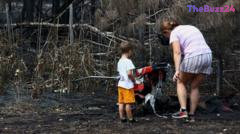
Recent devastating wildfires in the southern region of France have inadvertently exposed a hidden cache consisting of approximately 400 historic shells and unexploded military munitions buried within the village of Le Porge. Emergency responders initially mistook the sounds of recurring blasts for exploding domestic gas cylinders, only to realize the intense heat was actively detonating forgotten explosives dating back to the Second World War.
Local municipal leaders reported hearing upward of 100 distinct explosions during the height of the fire’s second night, describing the chaotic scene as resembling an active warzone. The intense heat caused buried French and German munitions—including mortar and anti-tank shells—to scatter unpredictably across the landscape, with at least one projectile piercing a residential building. The forest fires, which ravaged the wider Gironde area over a span of ten days, ultimately destroyed more than 180 homes and scorched tens of thousands of hectares.
Following extensive demining operations, authorities have permitted most displaced residents to return to their properties, though specific zones near the ocean, a local campsite, and the village of La Jenny remain strictly off-limits. Government officials have praised the tireless efforts of emergency crews for managing what has been classified as an unprecedented crisis. As families begin sifting through the charred remains of their neighborhoods, the startling discovery underscores the lingering physical hazards left behind by past global conflicts that continue to surface during modern natural disasters.
Key Takeaways
- Wildfires in southern France exposed a cache of roughly 400 World War II-era shells and munitions in Le Porge.
- Intense heat from the fires caused buried French and German explosives, including mortar and anti-tank shells, to detonate unexpectedly.
- Demining operations have allowed most residents to return home, though specific hazard zones remain restricted.
Editor’s Analysis & Impact
The unexpected unearthing of World War II munitions during severe climate-driven wildfires highlights a growing and hazardous intersection between modern climate emergencies and historical infrastructure legacies. Across Europe, as rising temperatures and prolonged droughts fuel unprecedented wildfire seasons, subterranean hazards—ranging from unexploded ordnance to legacy industrial waste—are increasingly disturbed. This event in Le Porge not only strains local emergency response frameworks, which must simultaneously battle fast-moving blazes and manage hazardous materials, but also poses long-term safety risks for reconstruction and recovery efforts. Municipalities situated in historically contested regions will need to integrate comprehensive environmental scanning and historical land-use audits into their disaster preparedness and climate adaptation strategies moving forward.
Frequently Asked Questions
Q: What caused the explosions during the wildfires in Le Porge?
A: The explosions were caused by buried World War II-era munitions, including French and German mortar and anti-tank shells, which detonated due to the intense heat from the forest fires.
Q: How many homes were destroyed in the area?
A: More than 180 houses in the local area were destroyed by the wildfire.
Q: Are residents allowed to return to their homes?
A: Yes, following demining operations, most residents have been allowed to return, though certain areas such as parts of La Jenny, local campsites, and access to the ocean remain strictly off-limits.
AI Disclosure: This article is based on verified data and official reports. Our Team and AI have cross-referenced every financial detail with primary sources to ensure total accuracy.
More from this Category