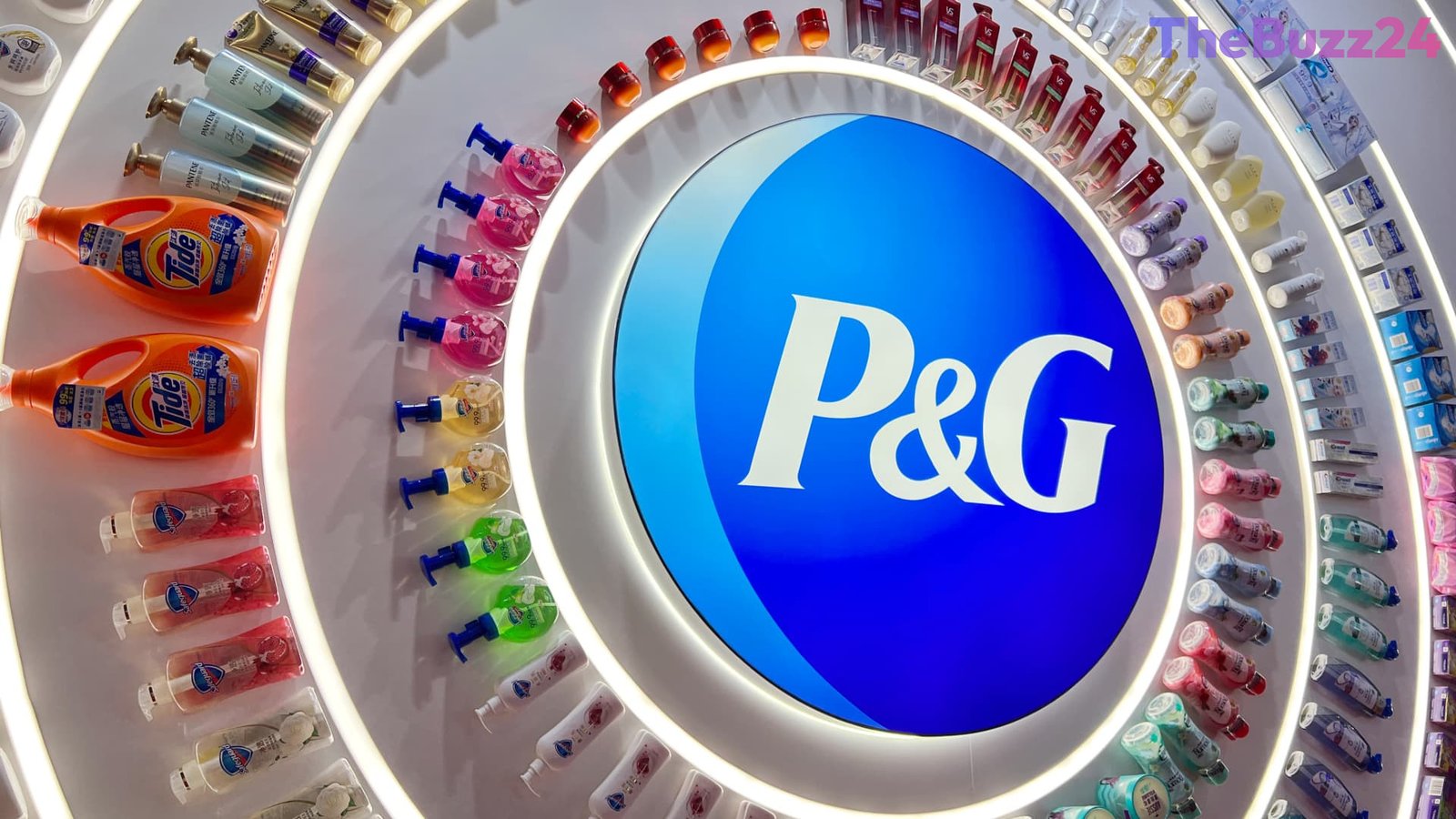
Procter & Gamble Expands Health Portfolio with $3.8 Billion Acquisition of Thorne
Consumer goods giant Procter & Gamble has announced a definitive agreement to acquire the supplement brand Thorne in a deal valued at $3.8 billion. This strategic move is designed to bolster P&G’s healthcare division, which currently houses established brands such as Metamucil, Align Probiotic, and New Chapter vitamins. By integrating Thorne, P&G aims to capture a larger share of the rapidly expanding wellness market.
Thorne, which was founded in 1984, has experienced significant growth in recent years, particularly through its direct-to-consumer sales channels. The brand has successfully cultivated a loyal customer base, with the majority of its revenue generated by shoppers under the age of 40. Following a period of private equity ownership by L Catterton, the company has scaled its operations significantly, reporting annual revenue exceeding $500 million in 2025.
This acquisition comes at a time when P&G is looking to revitalize its healthcare segment, which has faced recent challenges with flat volume growth. By adding a premium, high-growth asset like Thorne, P&G is positioning itself to better appeal to younger, health-conscious consumers who are increasingly prioritizing supplements for sleep, energy, and overall wellness. The deal reflects a broader industry trend of major consumer conglomerates acquiring buzzy, specialized brands to drive innovation and reach new demographics.
Key Takeaways
- Procter & Gamble is acquiring supplement brand Thorne for $3.8 billion to strengthen its healthcare division.
- Thorne has seen strong performance with a primary customer base under the age of 40 and robust direct-to-consumer sales.
- The acquisition is part of P&G's strategy to revitalize its healthcare segment and capture growth in the premium wellness market.
Editor’s Analysis & Impact
The acquisition of Thorne by Procter & Gamble signals a clear shift in strategy for legacy consumer goods companies. As traditional household product growth stagnates, giants like P&G are aggressively pivoting toward the high-margin, high-growth wellness sector. Thorne’s strong digital footprint and appeal to younger demographics provide P&G with a necessary bridge to a consumer base that is increasingly skeptical of traditional retail brands. This deal also highlights the ongoing consolidation in the supplement industry, where premium, science-backed brands are becoming prime targets for conglomerates seeking to offset volume declines in their core segments. Looking ahead, the success of this integration will depend on P&G’s ability to scale Thorne’s direct-to-consumer model without diluting the brand’s premium reputation, while leveraging its massive distribution network to achieve global reach.
Frequently Asked Questions
Q: Why is Procter & Gamble acquiring Thorne?
A: P&G is acquiring Thorne to expand its health and wellness portfolio and reach a younger demographic that favors the brand's direct-to-consumer supplement offerings.
Q: What is the significance of Thorne's customer base?
A: Thorne is particularly popular among consumers under the age of 40, a demographic that P&G is targeting to help revitalize its healthcare segment and drive future revenue growth.
AI Disclosure: This article is based on verified data and official reports. Our Team and AI have cross-referenced every financial detail with primary sources to ensure total accuracy.
More from this Category