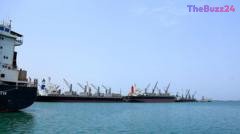
Indian-Flagged Vessel Stricken Off Yemen Coast Amid Rising Red Sea Tensions
A maritime incident off the coast of Yemen resulted in the sinking of the Indian-flagged ship MSV Faize Noore Oliya, though prompt rescue operations ensured the safety of all 14 individuals aboard, including 13 Indian nationals. Officials strongly condemned the unprovoked assault, emphasizing the urgent need to protect seafarers navigating these increasingly volatile waters. While the exact perpetrators remain unidentified, regional authorities and international observers point to a growing pattern of aggression targeting commercial shipping lanes.
The attack underscores the severe disruptions plaguing Middle Eastern trade routes, which have faced mounting threats since the closure of the Strait of Hormuz by Iran. With a vital oil shipping channel blocked, vessels traveling from Saudi Arabia have increasingly relied on alternative Red Sea paths. However, these detours have exposed cargo carriers and tankers to heightened risks, culminating in recent strikes attributed to explosive-laden watercraft in the area.
International diplomatic efforts and trade stability continue to hang in the balance amid fluctuating oil markets and stalled direct negotiations. Although diplomatic channels through intermediaries like Oman remain active, the breakdown of previous ceasefires and ongoing military skirmishes highlight the fragile state of maritime commerce. Leaders worldwide continue to stress that unimpeded navigation and adherence to international law are paramount to restoring security in the region.
Key Takeaways
- All 14 crew members aboard the MSV Faize Noore Oliya, primarily Indian nationals, were successfully rescued following the attack.
- The incident highlights the escalating threats to commercial shipping in the Red Sea as alternative routes are utilized due to the closure of the Strait of Hormuz.
- Despite ongoing regional violence and disrupted trade routes, global oil prices recently dipped amid hopes of potential diplomatic breakthroughs.
Editor’s Analysis & Impact
The ongoing instability in the Middle East, characterized by the closure of the Strait of Hormuz and repeated attacks on commercial vessels in the Red Sea, poses a profound threat to global energy security and supply chain resilience. As shipping companies are forced to seek alternative routes, increased transit times and elevated insurance premiums continue to drive economic volatility. The market’s recent sensitivity to diplomatic developments—evidenced by fluctuating oil prices—demonstrates how closely tied energy commodities are to geopolitical negotiations. Moving forward, the restoration of safe, unimpeded international trade corridors will depend entirely on the success of multilateral mediation and the enforcement of international maritime law to deter further aggression against civilian and commercial vessels.
Frequently Asked Questions
Q: What happened to the crew of the MSV Faize Noore Oliya?
A: All 14 people on board, including 13 Indian nationals, were safely rescued following the attack off the coast of Yemen.
Q: Why are more ships using the Red Sea route?
A: Many tankers and cargo vessels have resorted to alternative routes through the Red Sea because the vital Strait of Hormuz has been blocked amid the ongoing regional conflict.
Q: How are global oil markets reacting to the crisis?
A: Oil prices have experienced volatility, recently hitting a three-week low due to investor optimism surrounding potential diplomatic talks and efforts to eventually reopen the Strait of Hormuz.
AI Disclosure: This article is based on verified data and official reports. Our Team and AI have cross-referenced every financial detail with primary sources to ensure total accuracy.
More from this Category