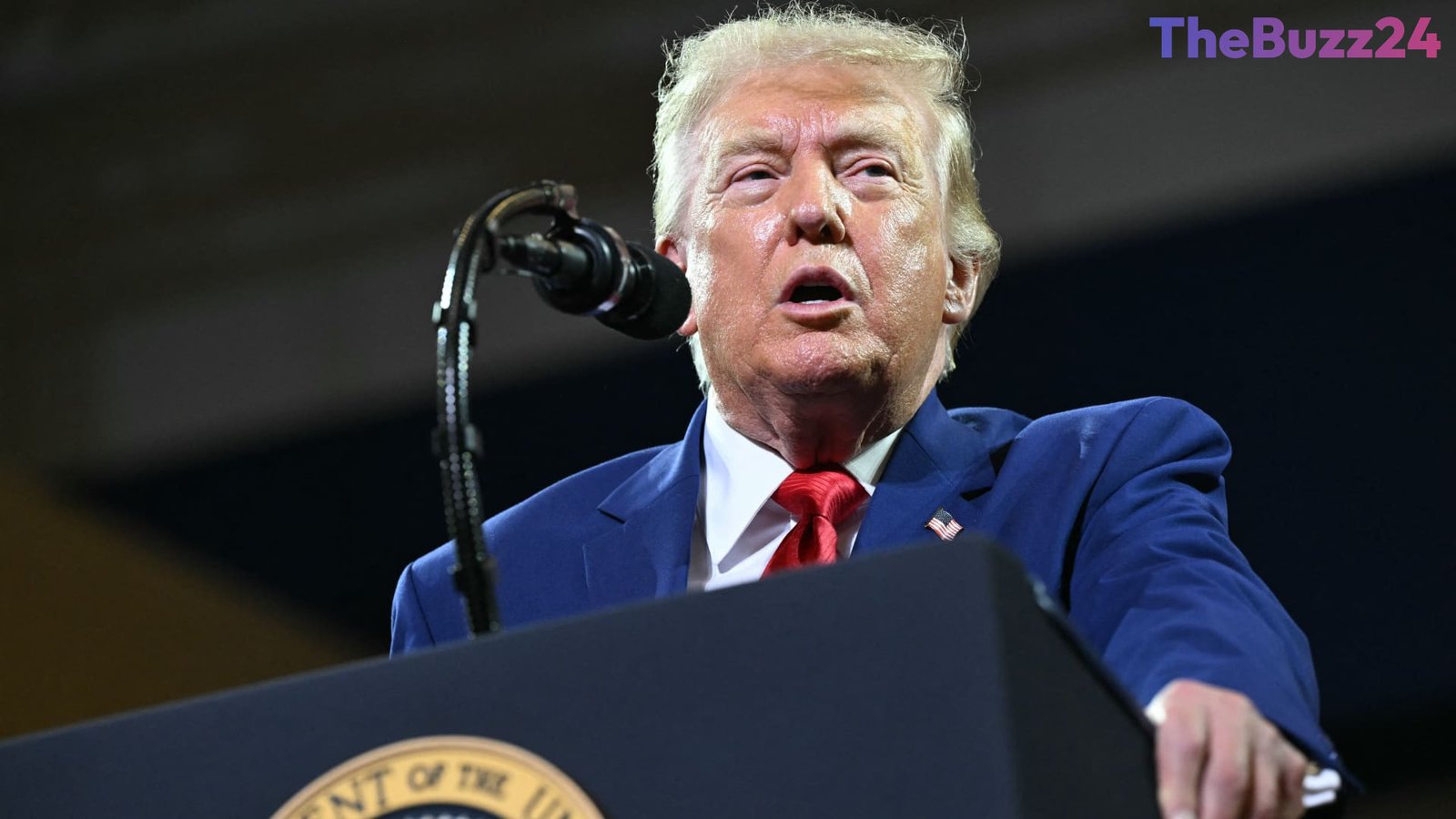
The ‘Communist’ Label: GOP Strategy Shifts Ahead of Midterm Elections
As the midterm election cycle intensifies, Republican leadership and former President Donald Trump have adopted a sharp rhetorical strategy, increasingly labeling Democratic opponents as ‘communists.’ This messaging shift aims to frame the upcoming contests as a fundamental battle between traditional American values and what the GOP characterizes as a radical, far-left ideology. The term, which carries significant historical weight from the Cold War era, is being deployed to contrast the Republican platform with the progressive policies championed by a growing wing of the Democratic Party.
The strategy appears to be a direct response to the rising influence of progressive candidates in Democratic primaries across the country. By linking these candidates to the economic philosophies of communism, Republican figures—including House Speaker Mike Johnson and various congressional candidates—are attempting to mobilize their base and warn voters of a perceived ‘mortal threat’ to the nation’s constitutional foundations. This rhetoric is particularly visible in high-profile races, such as the Michigan Senate primary, where establishment and progressive candidates are vying for the nomination.
In response, Democratic leaders have largely dismissed the label as a desperate political tactic that fails to address the economic concerns of everyday voters. Many Democrats argue that the ‘communist’ moniker is an ineffective evolution of previous attempts to paint the party as ‘socialist,’ noting that such attacks have historically failed to resonate with the broader electorate. Supporters of progressive candidates emphasize that their platforms focus on tangible issues like healthcare, minimum wage, and economic inequality, rather than the radical ideologies attributed to them by their opponents.
Despite the aggressive messaging from the Republican camp, some polling data suggests that the strategy may face hurdles. Recent surveys indicate that voters remain focused on pocketbook issues and that the ‘communist’ label may not carry the persuasive power the GOP intends. As both parties prepare for the final push toward November, the effectiveness of this polarizing rhetoric remains a central question in determining the balance of power in Washington.
Key Takeaways
- Republican leaders are increasingly using the label 'communist' to characterize Democratic candidates and progressive policies.
- The strategy is designed to mobilize the GOP base by framing the midterm elections as a choice between American values and radical government control.
- Democratic officials argue the rhetoric is a distraction from core economic issues and point to polling that suggests the label may not resonate with the general electorate.
Editor’s Analysis & Impact
The GOP’s pivot to using ‘communist’ as a primary campaign descriptor represents a calculated attempt to escalate the culture war. By moving beyond the ‘socialist’ label, which has become a normalized part of the political discourse, Republicans are attempting to trigger deeper, visceral fears associated with the Cold War. However, this strategy carries significant risks. Over-saturation of extreme rhetoric can lead to ‘alarm fatigue’ among independent voters who are more concerned with inflation, healthcare, and economic stability. If the messaging fails to move the needle in key purple districts, it may signal a disconnect between the party’s base-focused rhetoric and the priorities of the broader electorate. The long-term implication is a further hardening of partisan lines, making moderate governance increasingly difficult regardless of the election outcome.
Frequently Asked Questions
Q: Why are Republicans using the term 'communist' to describe Democrats?
A: Republicans are using the term to frame progressive Democratic policies as a radical departure from American constitutional values, aiming to mobilize their base and contrast their platform with the left-leaning policies of Democratic candidates.
Q: How have Democrats responded to these labels?
A: Democrats have largely dismissed the labels as baseless political spin, arguing that the rhetoric is an ineffective attempt to distract voters from substantive economic issues like healthcare and wages.
AI Disclosure: This article is based on verified data and official reports. Our Team and AI have cross-referenced every financial detail with primary sources to ensure total accuracy.
More from this Category