Volkswagen’s Controlling Families Demand Urgent Overhaul Amid Rising Chinese Competitor Threat
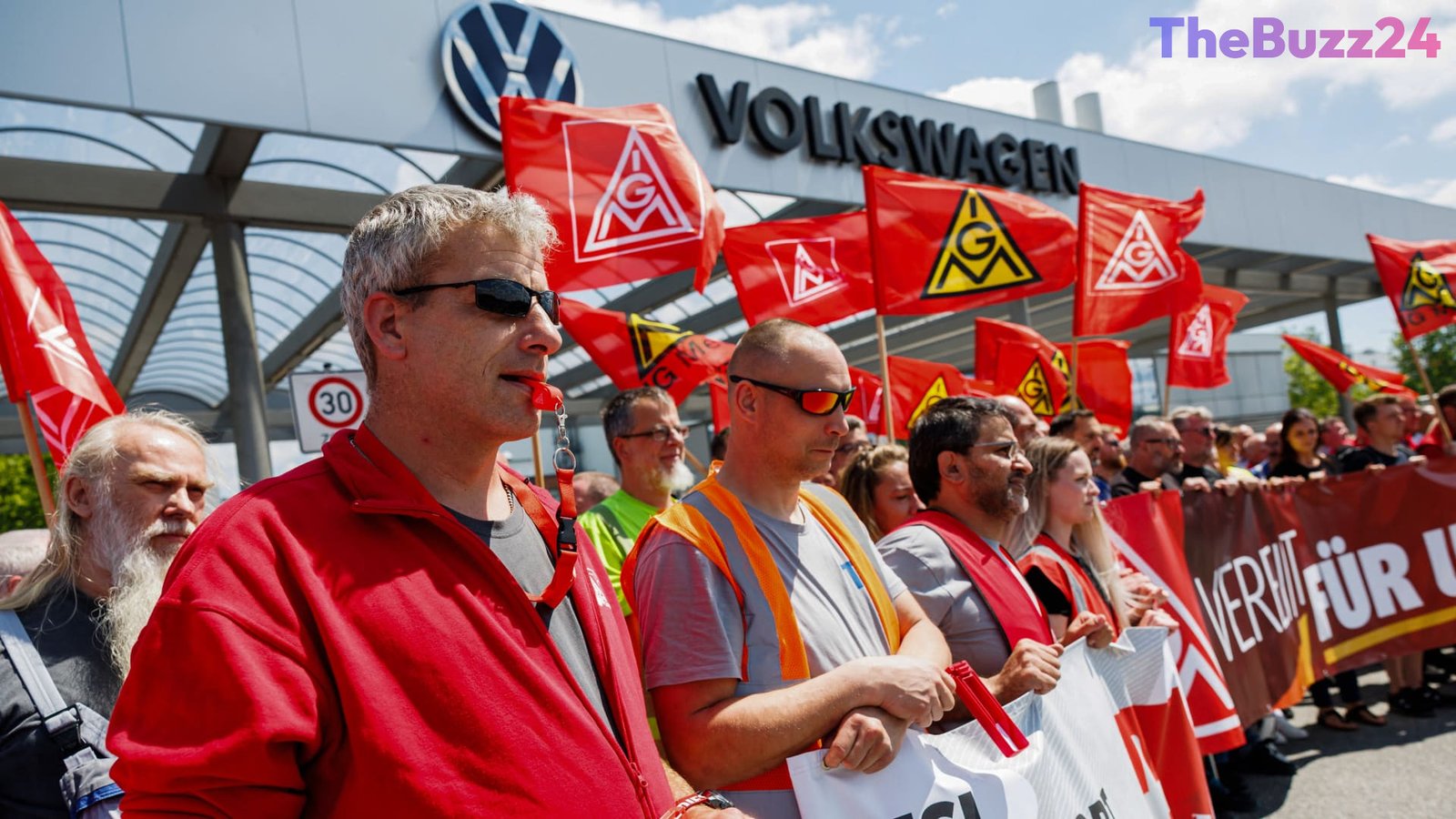
Volkswagen faces a critical turning point in its 89-year history as key stakeholders press for immediate and aggressive restructuring. The leadership representing the automotive giant’s primary investors has emphasized that decisive action is paramount to neutralize mounting pressures from agile Chinese automakers and safeguard the company’s long-term viability in an evolving global market.
Faced with a severe profit downturn and compounding tariff burdens, the German automotive titan is contemplating sweeping measures, including potential workforce reductions affecting up to 100,000 positions. Executives stress that eliminating excess capacity, curbing operational expenses, and streamlining executive decision-making are no longer optional, but vital for survival against aggressive international rivals who continue to expand their footprint in Europe.
While corporate leadership maintains that a strategic blueprint is already in motion, major stakeholders insist that the execution timeline must be accelerated. The urgency underscores a broader industry anxiety as legacy automakers grapple with the transition to new market dynamics, heavy regulatory costs, and the rapid pace of innovation originating from overseas competitors.
Key Takeaways
- Volkswagen's controlling families and top investors are pushing for an accelerated, radical overhaul of the company.
- The German automaker is weighing massive workforce reductions and structural changes to combat sliding profits and high tariffs.
- Intense pressure from expanding Chinese car brands has created an urgent need to reduce excess capacity and lower operational costs.
Editor’s Analysis & Impact
The mounting pressure on Volkswagen highlights a wider existential crisis facing traditional European automakers. As Chinese electric vehicle manufacturers and traditional brands alike push aggressively into European markets with cost-effective alternatives, legacy giants are finding their traditional business models strained. The willingness of major shareholders to endorse drastic cost-cutting measures—potentially including massive job losses and plant restructuring—indicates the severity of the profit squeeze. Moving forward, the speed and execution of Volkswagen’s turnaround strategy will serve as a bellwether for the entire European automotive sector as it attempts to adapt to a rapidly shifting global competitive landscape.
Frequently Asked Questions
Q: Why is Volkswagen considering massive job cuts?
A: Volkswagen is looking to counter a significant profit slump driven by heavy tariff costs, billions in operational expenses, and intensifying competition from Chinese car brands.
Q: Who controls Volkswagen?
A: The Porsche and Piëch families control Volkswagen through their holding company, Porsche SE, which owns a majority of the voting rights and is the single largest shareholder.
Q: What are the primary goals of the proposed corporate overhaul?
A: The core goals are to reduce excess capacity, significantly lower operational costs, strengthen decision-making capabilities, and secure long-term competitiveness against international rivals.
AI Disclosure: This article is based on verified data and official reports. Our Team and AI have cross-referenced every financial detail with primary sources to ensure total accuracy.
More from this Category