Colombian Military Strikes Down Alleged Rebel Leader Amid New Security Crackdown
Security forces in central Colombia have eliminated a man suspected of leading a dissident faction of a left-wing rebel group during a high-stakes military operation. The decisive action marks an immediate escalation in the government’s aggressive campaign against illegal armed organizations following the recent inauguration of President Abelardo de la Espriella.
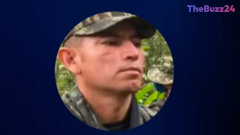
Military intelligence identified the slain suspect as Hernando Forero Mosquera, known alias ‘El ruso’, who allegedly commanded Frente 28—a splinter faction originating from the Revolutionary Armed Forces of Colombia (Farc). The operation in Meta province also resulted in the deaths of several other suspected combatants. President de la Espriella praised the armed forces, emphasizing that the offensive sends an uncompromising warning to criminal networks across the nation.
The sweeping security shift moves away from the previous administration’s negotiation-heavy ‘total peace’ model, favoring direct confrontation instead. However, the hardline stance has already provoked retaliatory violence, including recent explosions in Cauca and Cesar provinces. Meanwhile, international backing has swiftly followed, highlighted by a substantial security assistance package from the United States to support the new administration’s anti-narcotics and counter-terrorism strategies.
Key Takeaways
- Hernando Forero Mosquera, a suspected dissident rebel leader, was killed in a military operation in central Colombia.
- Newly inaugurated President Abelardo de la Espriella has adopted a hardline, combative approach against armed groups, moving away from previous negotiation strategies.
- The United States pledged $1 billion in security assistance and welcomed Colombia into the 'Shield of the Americas' alliance.
Editor’s Analysis & Impact
The transition in Colombia’s political leadership marks a critical juncture for regional security and economic stability. By abandoning the prior administration’s ‘total peace’ negotiations in favor of a militarized offensive, President de la Espriella is reshaping the country’s domestic landscape. While this assertive strategy aims to cripple narco-terrorism and restore order, it immediately triggers retaliatory asymmetric warfare from deeply entrenched dissident factions. The influx of substantial financial and strategic backing from the United States underscores the geopolitical importance of Colombia’s stability in the Western Hemisphere. Investors and policymakers should closely monitor how this kinetic approach impacts domestic supply chains, regional trade, and long-term security expenditures.
Frequently Asked Questions
Q: Who was Hernando Forero Mosquera?
A: Hernando Forero Mosquera, also known as 'El ruso', was an alleged leader of Frente 28, a dissident faction of the Farc rebel group, and was described by authorities as an explosives expert.
Q: How does President de la Espriella's strategy differ from his predecessor?
A: Unlike former President Gustavo Petro, who prioritized negotiations and a 'total peace' framework, President de la Espriella has adopted a direct, combative approach involving military force and air strikes against armed groups.
Q: What international support has the new Colombian government received?
A: The United States State Department announced plans to provide $1 billion in security assistance and welcomed Colombia into the 'Shield of the Americas' alliance to combat drug trafficking and transnational crime.
AI Disclosure: This article is based on verified data and official reports. Our Team and AI have cross-referenced every financial detail with primary sources to ensure total accuracy.
More from this Category