Behind the Facade: The Deepening Cracks in Russia’s Wartime Economy
Russia’s wartime economy continues to demonstrate surface-level growth, but experts point out that headline figures heavily mask severe internal strains. While military production thrives, ordinary citizens are increasingly feeling the financial pinch, leading households to trade down to cheaper, store-brand foods and alternative indulgences as purchasing power diminishes. This divergence has created a stark two-tier economic reality across the nation.
Recent data indicates that the gross domestic product expanded during the second quarter, outperforming initial government and central bank forecasts. This unexpected resilience has largely been sustained by heavy state spending on the military-industrial complex and fluctuating oil and gas revenues. However, key economic indicators—specifically mounting deficits and creeping inflation—tell a much more fragile story. Sustained attacks on oil refineries, coupled with tightening international sanctions, have severely impacted energy revenues, while consumer inflation threatens to reverse earlier stabilization efforts.
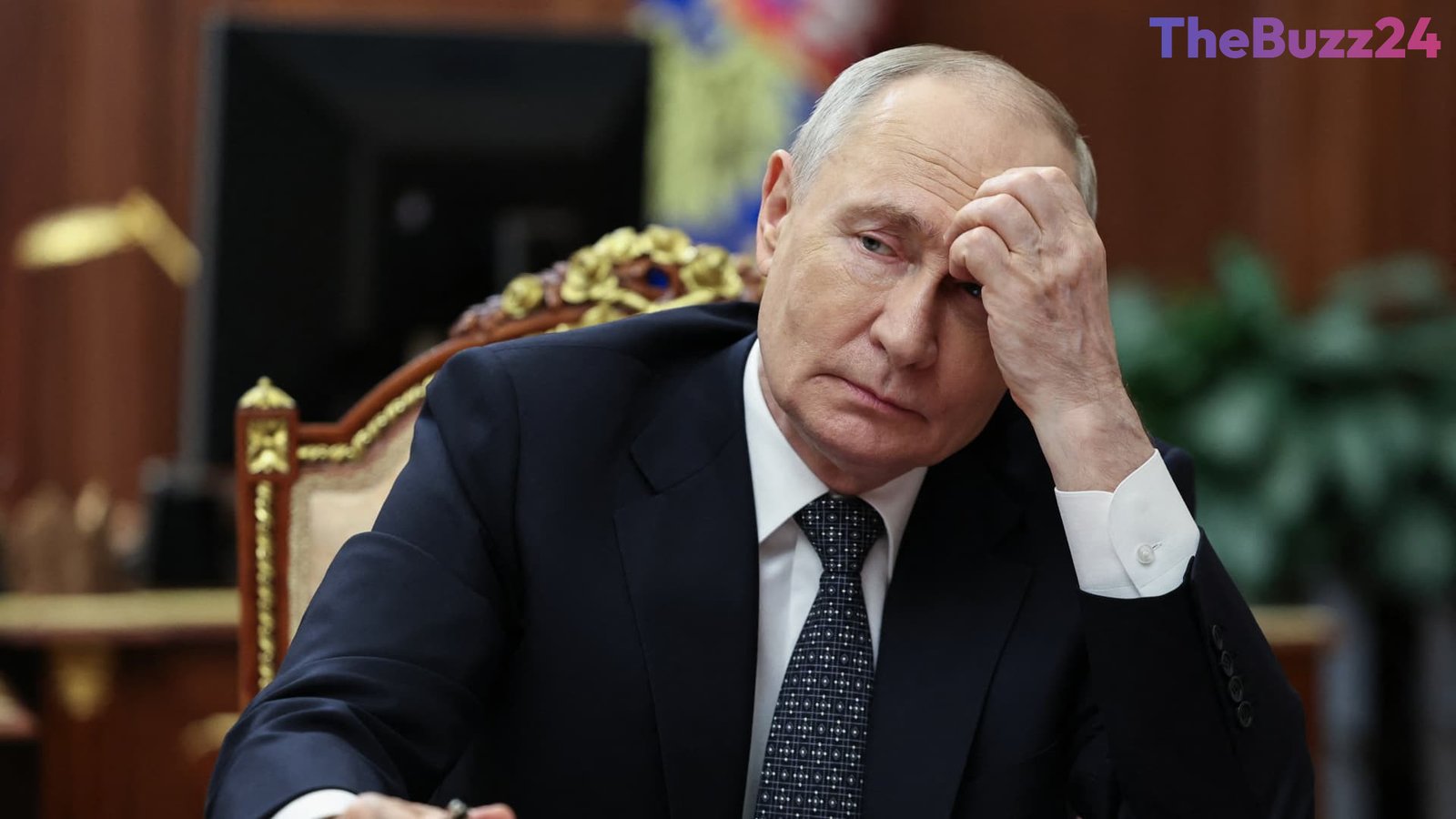
Despite mounting financial pressures, analysts emphasize that economic distress alone is unlikely to force an end to the ongoing conflict in Ukraine. Instead, some experts warn that worsening conditions could incentivize President Vladimir Putin to pursue escalation rather than retreat, attempting to conclude the war on his own terms before financial resources run thin. As the Kremlin navigates growing fiscal gaps and depletes available levers, the long-term sustainability of Russia’s war-focused financial model remains deeply uncertain.
Key Takeaways
- Russia's wartime economy is experiencing a two-tier divide, where defense sector workers thrive while regular households face declining real incomes and shift toward cheaper goods.
- Despite positive headline GDP growth driven by military spending, underlying metrics like inflation and widening budget deficits reveal deep financial strain.
- Experts suggest that economic pressure is unlikely to halt the war in Ukraine and could potentially motivate further escalation by the Kremlin.
Editor’s Analysis & Impact
The resilience of Russia’s wartime economy has consistently surprised international observers, largely propelled by massive state injections into the military-industrial complex and fluctuating energy exports. However, a closer examination of structural indicators—such as soaring inflation, ballooning fiscal deficits, and declining non-military economic activity—highlights a fragile foundation. While sanctions and infrastructure attacks are biting into critical oil and gas revenues, the Kremlin still retains certain financial buffers, including un-sanctioned central bank reserves. Crucially, history and economic analysis suggest that financial strain rarely acts as a standalone trigger to halt military conflicts. Instead, the tightening economic vice may push leadership toward riskier escalation strategies, creating complex geopolitical implications for global markets and energy security in the near term.
Frequently Asked Questions
Q: Why is Russia's economy showing growth despite the war and sanctions?
A: The reported economic growth is primarily driven by massive government spending on the military-industrial complex and state-subsidized lending, which artificially boosts headline gross domestic product figures.
Q: How are ordinary Russian citizens affected by the wartime economy?
A: Civilians are experiencing financial pressure through rising inflation and a slowdown in the non-military sector, leading many households to cut back on spending and switch to cheaper, store-brand food products.
Q: Will economic stress force Russia to end the war in Ukraine?
A: Most analysts believe economic pressure alone will not force an end to the conflict. In fact, worsening economic conditions could potentially incentivize the Kremlin to escalate the war to achieve a faster resolution on its own terms.
AI Disclosure: This article is based on verified data and official reports. Our Team and AI have cross-referenced every financial detail with primary sources to ensure total accuracy.
More from this Category