South Korea Proposes Historic Talks to Formally End Korean War
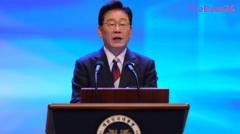
South Korean leadership has officially proposed opening high-level discussions with North Korea to bring a formal conclusion to a conflict that has remained technically active for over seven years. Addressing a ceremony commemorating the peninsula’s liberation from Japanese rule, the administration called for direct negotiations to establish a lasting peace treaty and de-escalate ongoing regional tensions.
The initiative outlines a comprehensive framework aimed at preventing military flare-ups along the heavily fortified demilitarized zone. Furthermore, the proposal includes provisions to address Pyongyang’s expanding nuclear arsenal through constructive dialogue. Despite these diplomatic overtures, the security landscape remains strained, highlighted by recent ballistic missile launches and ongoing joint military exercises involving regional allies.
Relations between the two nations have experienced significant friction due to reciprocal provocations, ranging from cyber activities to propaganda balloon campaigns. While the neighboring regime has historically rebuffed previous engagement efforts and continued its weapons development programs, the current administration in Seoul remains committed to pursuing a pragmatic path toward peaceful coexistence and regional stability.
Key Takeaways
- South Korea has proposed formal talks to officially end the Korean War, which has been frozen by an armistice since 1953.
- The initiative includes a multi-layered security framework for the DMZ and discussions to halt North Korea's nuclear advancements.
- Despite the diplomatic proposal, North Korea recently conducted another ballistic missile test amid ongoing regional military drills.
Editor’s Analysis & Impact
The latest diplomatic push by South Korea represents a significant pivot in regional geopolitics, attempting to replace the fragile 1953 armistice with a permanent peace framework. However, the success of these proposed talks remains highly uncertain given North Korea’s entrenched nuclear ambitions and continuous missile testing. From an economic and geopolitical standpoint, any genuine thaw in inter-Korean relations would drastically lower security premiums in East Asia, easing investor anxieties and shifting defense priorities. Conversely, continued rebuffs from Pyongyang combined with joint military drills risk plunging the peninsula back into heightened crisis mode. The broader implications heavily involve major global players, particularly the United States and China, whose strategic interests intersect directly with the stability of the Korean peninsula.
Frequently Asked Questions
Q: Why is the Korean War technically still ongoing?
A: The conflict has no official peace treaty; fighting was halted in 1953 through an armistice agreement rather than a formal political settlement.
Q: What is the main goal of South Korea's recent proposal?
A: The proposal aims to initiate direct talks to officially end the war, establish border security measures, and discuss ways to curb North Korea's nuclear capabilities.
Q: How has North Korea responded to the offer?
A: As of yet, North Korea has not officially responded to the proposal, maintaining its routine of military demonstrations and missile tests.
AI Disclosure: This article is based on verified data and official reports. Our Team and AI have cross-referenced every financial detail with primary sources to ensure total accuracy.
More from this Category