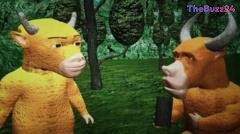
Low-Budget Animated Film With Terrible Graphics Becomes Unlikely Chinese Box Office Phenomenon
A quirky, low-budget animated feature centered around a dream sequence involving a cow has staged an astonishing turnaround at the box office in China. Initially pulling in a meager sum during its first week and a half in theaters, the movie has defied conventional industry logic by surging past millions in ticket sales, competing directly with major international blockbusters.
The unexpected cultural phenomenon gained momentum after clips and reviews spread rapidly across digital platforms. While many viewers acknowledge the film’s confusing narrative and exceptionally rough visual aesthetics, audiences have embraced these very flaws as a badge of honor. In an era dominated by polished digital effects and synthetic media, moviegoers have championed the project’s rudimentary style as a refreshing rejection of automated production tools.
Adding to the film’s unique momentum, Chinese internet users have rallied around the feature as a whimsical symbol for financial prosperity. Because the creature featured in the title shares linguistic roots with stock market terminology, ticket purchases have transformed into a tongue-in-cheek gesture of good luck for investors. Despite pushback from traditional cultural critics who warn that screening substandard productions could harm industry standards, theaters continue expanding showtimes to meet overwhelming public curiosity.
Key Takeaways
- A low-budget animated film titled Niu Lai transformed from a box office failure into a massive hit after going viral online.
- Audiences embraced the film's poor graphics and confusing plot as an antidote to automated media and AI-generated content.
- Social media users also linked the movie to stock market puns, driving massive ticket sales despite criticism from traditional media outlets.
Editor’s Analysis & Impact
The unexpected viral success of this low-budget animated film highlights the growing unpredictability of modern entertainment distribution, where social media sentiment can completely override traditional marketing and quality metrics. This phenomenon demonstrates a fascinating cultural pushback against hyper-polished, algorithmic content, with audiences actively seeking out raw, imperfect human creation—even when the execution is objectively poor. However, the severe backlash from institutional critics underscores a persistent tension within the industry regarding artistic standards and the commercial responsibilities of exhibitors. As viral culture continues to dictate consumer trends, independent creators and major studios alike must learn to navigate an entertainment landscape where organic, grassroots digital momentum can instantly disrupt established box office hierarchies.
Frequently Asked Questions
Q: Why did the movie become popular despite its poor graphics?
A: The film went viral on social media, where users championed its crude, handmade animation as a refreshing alternative to modern, algorithm-driven and AI-generated content.
Q: What role did financial markets play in the movie's success?
A: Chinese social media users linked the film to stock market investments because the word for the animal in the title shares a linguistic connection with a 'bullish' market, turning ticket purchases into a gesture of financial hope.
Q: How have traditional critics reacted to the film's box office run?
A: State-backed media outlets have criticized the film's unexpected success, warning that theaters risk losing audience trust by lowering screening standards to accommodate poorly made productions.
AI Disclosure: This article is based on verified data and official reports. Our Team and AI have cross-referenced every financial detail with primary sources to ensure total accuracy.
More from this Category