US Unveils ‘Toughest Ever’ Sanctions Against Iran, Tehran Scoffs at ‘Economic Warfare’
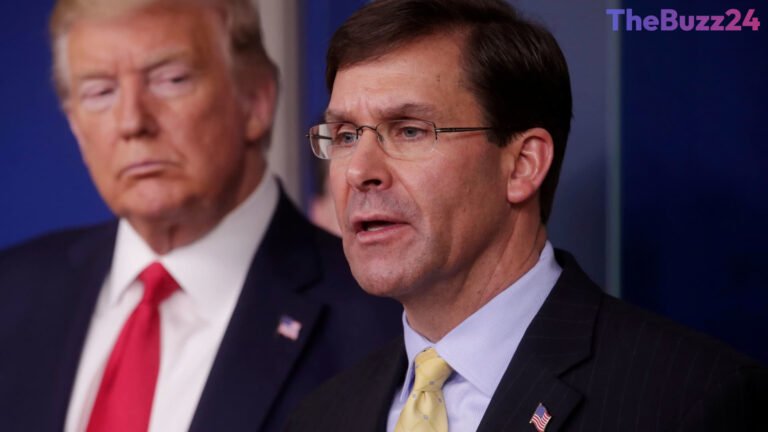
The United States is set to announce a sweeping new wave of sanctions against Iran, described by Treasury Secretary Scott Bessent as the “toughest” and the “greatest campaign of coordinated economic isolation in the history of the world.” Bessent is scheduled to hold a press conference on Monday to detail the measures, which he stated are intended to “collapse” the Islamic Republic’s economy.
In strong terms, Bessent articulated the administration’s stance, comparing the impending sanctions to a “D-Day” for economic warfare and a “single greatest financial offensive ever marshalled against an adversary.” He emphasized that the U.S. is demanding that its allies and the global community cease all business dealings with Iran, warning that Washington will deploy its “full might” against any entity that fails to comply. “It is time for our allies and the rest of the world to make a decision, and we are going to squash the economy of this murderous regime,” Bessent declared.
These aggressive economic measures follow recent pronouncements from President Donald Trump, who last week vowed to implement the “most crushing economic operation ever taken against any country.” Trump also indicated that severe financial penalties would be levied against any nation found to be assisting Iran in circumventing sanctions, characterizing the initiative as “Economic Warfare and Isolation on an unprecedented scale.”
However, Iran has publicly dismissed the escalating threats. According to its state media, an Iranian Revolutionary Guard Corps (IRGC) spokesperson characterized the U.S. sanctions as an “implicit admission of the enemy’s humiliating defeat” in the military arena. The spokesperson asserted that Iran possesses the means to counteract such pressures and can “easily establish economic relations with countries,” suggesting a belief that Tehran can weather the storm, particularly if the current U.S. administration seeks a swift end to conflict.
Key Takeaways
- The U.S. is preparing to implement historically stringent sanctions against Iran, aiming for economic isolation.
- Treasury Secretary Scott Bessent described the sanctions as an unprecedented financial offensive, demanding global compliance.
- Iran has dismissed the U.S. threats as a sign of defeat and expressed confidence in its ability to counter economic pressure.
Editor’s Analysis & Impact
The announcement of unprecedented sanctions against Iran signals a significant escalation in economic pressure, reflecting a broader geopolitical strategy to isolate Tehran. The U.S. administration’s aggressive rhetoric suggests a determination to leverage its financial power to compel international compliance. However, Iran’s defiant response, coupled with its historical resilience to sanctions and potential disruptive capabilities, indicates that the effectiveness of these measures remains uncertain. This standoff highlights the complex interplay between economic statecraft and international relations, with potential ripple effects on global energy markets and regional stability. The coming weeks will be crucial in determining whether these sanctions achieve their intended ‘collapse’ or lead to further entrenchment.
Frequently Asked Questions
Q: What are the new U.S. sanctions against Iran intended to achieve?
A: The U.S. sanctions are intended to "collapse" Iran's economy and achieve "coordinated economic isolation" on an unprecedented scale, aiming to compel global compliance and cease business dealings with the country.
Q: How has Iran responded to the U.S. sanctions threat?
A: Iran has dismissed the U.S. threats, with an IRGC spokesperson calling them an "implicit admission of the enemy's humiliating defeat" and asserting Iran's ability to counter the effects and maintain economic relations with other countries.
Q: What is the historical context of U.S. sanctions against Iran?
A: Iran is already one of the most sanctioned countries globally. This new wave of sanctions is described by U.S. officials as the "toughest in history" and the "greatest campaign of coordinated economic isolation," indicating a significant intensification of existing pressure.
AI Disclosure: This article is based on verified data and official reports. Our Team and AI have cross-referenced every financial detail with primary sources to ensure total accuracy.
More from this Category