Witnessing a Lunar Eclipse: An Accessible Celestial Spectacle
Lunar eclipses, a breathtaking astronomical phenomenon, are remarkably accessible to observers across the globe. Unlike solar eclipses which require specific viewing conditions and protective equipment due to the sun’s intense glare, lunar eclipses are visible to anyone on the half of the Earth facing the Moon during the event. This widespread visibility, coupled with the fact that they can last for several hours, makes them some of the most commonly observed and photographed celestial occurrences.
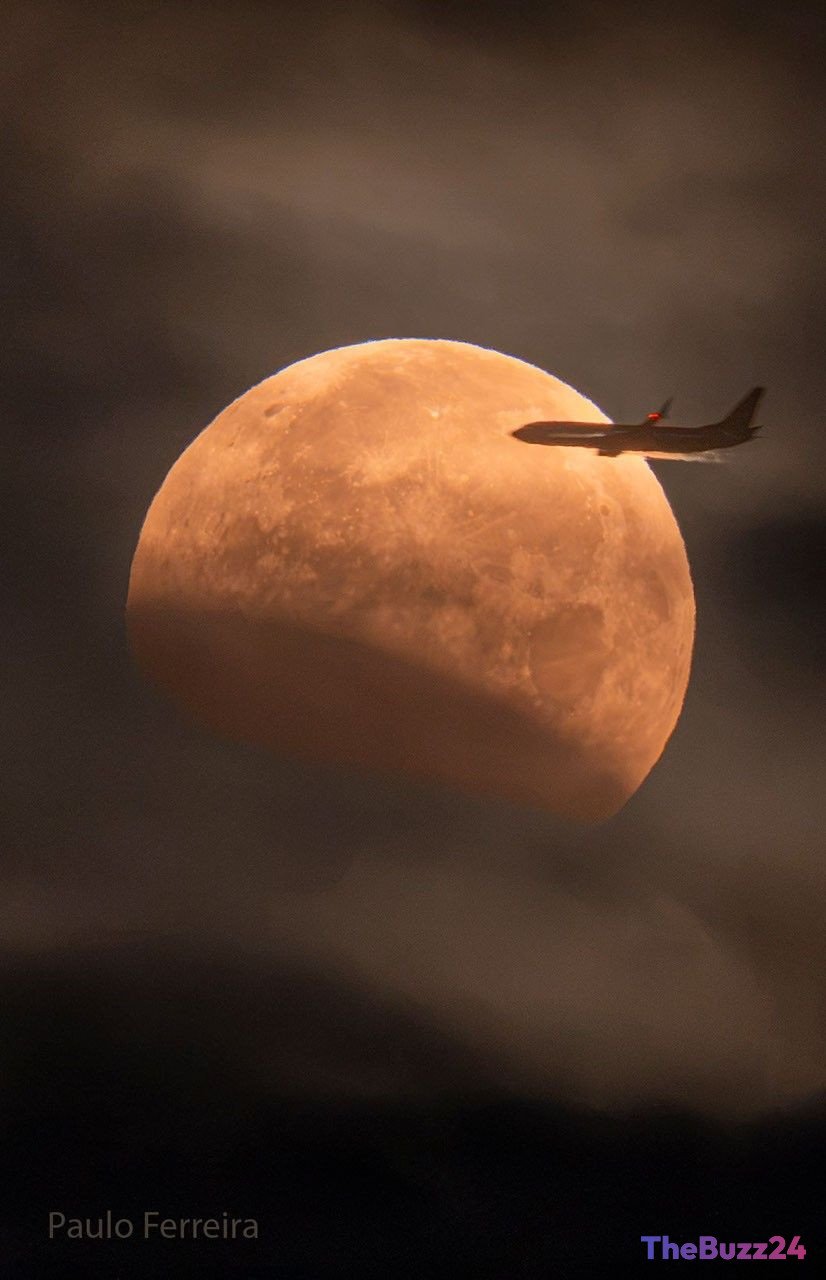
Specialized equipment is not a prerequisite for enjoying a lunar eclipse; the unaided human eye is sufficient to witness the Moon’s subtle transformation as it passes through Earth’s shadow. This ease of observation, combined with the dramatic visual display, contributes to their popularity among both amateur stargazers and professional astronomers. The featured image, captured last week from Portugal, highlights the stunning visual potential of these events, even offering a unique perspective from an airplane window.
While the initial moments of an eclipse might be obscured by an aircraft’s structure during takeoff, the extended duration of a lunar eclipse typically allows ample opportunity for viewing. Passengers could potentially move to a different part of the plane after ascent to catch a glimpse of the celestial show. This inherent flexibility underscores the inclusive nature of lunar eclipses, making them a shared experience for a vast audience.
Key Takeaways
- Lunar eclipses are visible to anyone on the half of Earth facing the Moon.
- No special equipment is needed to view a lunar eclipse; unaided eyes are sufficient.
- Lunar eclipses are long-lasting events, often observable for several hours.
Editor’s Analysis & Impact
The accessibility and visual appeal of lunar eclipses position them as significant events for public engagement with astronomy. Their widespread visibility and lack of equipment requirements democratize celestial observation, fostering a broader interest in space science. This contrasts with more niche astronomical events that might require specialized gear or travel. The continued documentation and sharing of such events, like the image from Portugal, further enhance public awareness and appreciation for the cosmos. As technology advances, the ability to capture and share these moments from unique vantage points, such as an airplane, adds a modern dimension to traditional astronomical observation, potentially inspiring future generations of scientists and enthusiasts.
Frequently Asked Questions
Q: What causes a lunar eclipse?
A: A lunar eclipse occurs when the Earth passes directly between the Sun and the Moon, casting a shadow on the Moon.
Q: How long does a lunar eclipse typically last?
A: Lunar eclipses can vary in duration, but the total phase, where the Moon is fully within Earth's darkest shadow (the umbra), can last for over an hour, with the entire event often spanning several hours.
Q: Can I photograph a lunar eclipse?
A: Yes, lunar eclipses are excellent subjects for photography. Unlike solar eclipses, you do not need special filters to protect your camera or eyes, though a tripod and appropriate camera settings will yield the best results.
AI Disclosure: This article is based on verified data and official reports. Our Team and AI have cross-referenced every financial detail with primary sources to ensure total accuracy.
More from this Category