Middle East Tensions Surge as U.S. Launches Fresh Airstrikes on Iran Amid Regional Fallout
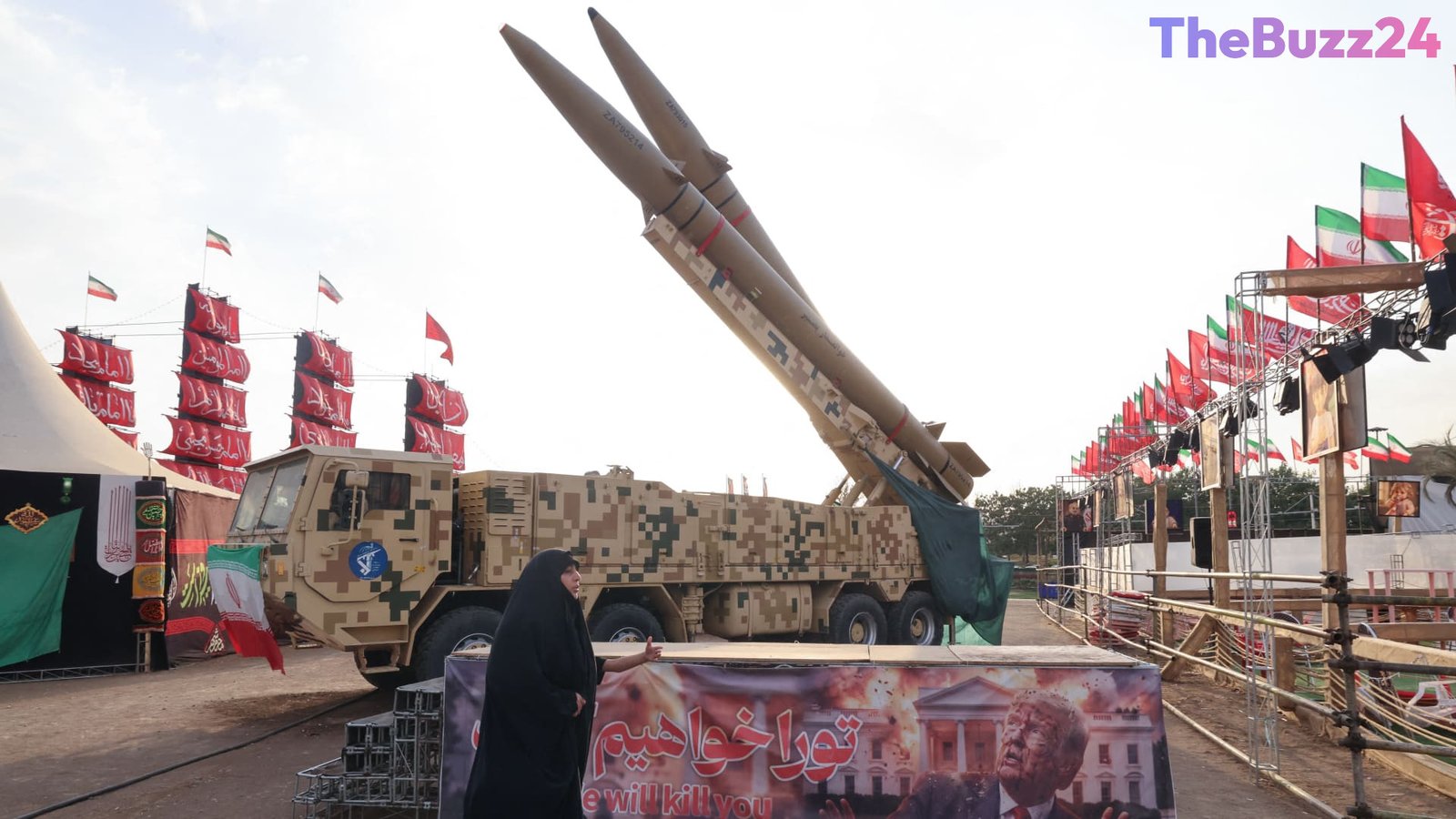
Military tensions in the Middle East have escalated significantly following a renewed wave of American airstrikes targeting strategic installations across Iran. The latest military engagement breaks a nearly month-long lull in direct hostilities between the two nations, sparking immediate reactions across regional neighbors and global energy markets.
The military actions commenced when American forces executed precision strikes against multiple Iranian locations, focusing heavily on radar networks, communications infrastructure, and air defense sites. According to military officials, the operation was ordered in direct response to recent escalations, including attempted assaults on commercial cargo vessels navigating the critical Strait of Hormuz and prior threats directed at American service personnel.
The confrontation quickly spilled over into neighboring territories as retaliatory measures unfolded. Jordan’s armed forces reported successfully intercepting the majority of a barrage of missiles launched from Iranian territory, noting that while several projectiles breached defenses and landed in remote areas, no casualties or fatalities were documented. Meanwhile, regional authorities in Bahrain issued heightened security alerts, urging residents to seek shelter as a precautionary measure against potential fallout.
Global financial markets reacted swiftly to the deteriorating security situation, particularly within the energy sector. Crude oil benchmarks experienced sharp upward momentum during Asian trading hours, with international and domestic futures surging over 4% to reach multi-month highs. Economic analysts attribute the rally directly to fears of prolonged supply chain disruptions through vital Middle Eastern shipping corridors.
Key Takeaways
- American forces carried out new airstrikes targeting Iranian air defenses, radar installations, and communication hubs.
- Jordan successfully intercepted incoming missile strikes originating from Iranian territory, avoiding casualties.
- Global oil prices climbed by over 4% following the military escalation and growing fears of energy supply disruptions.
Editor’s Analysis & Impact
The latest military escalation between the United States and Iran marks a critical inflection point for both regional stability and global macroeconomic health. By targeting core infrastructure such as radar systems and air defense sites, the recent operations signal a willingness to enforce strict maritime security in the Strait of Hormuz, a primary artery for international energy transport. The immediate spike in crude oil prices underscores the vulnerability of global supply chains to geopolitical shocks in the Middle East. If hostilities continue to draw in regional allies like Jordan and Bahrain, energy markets will likely experience sustained volatility, forcing central banks and governments to reevaluate inflationary pressures tied to fuel costs. The outlook remains precarious, as further retaliatory cycles could severely restrict trade flows and prompt a broader economic realignment across emerging and developed markets alike.
Frequently Asked Questions
Q: What prompted the latest U.S. airstrikes against Iran?
A: The strikes were launched in retaliation for recent attempted attacks by Iran against commercial shipping vessels in the Strait of Hormuz and threats directed at American service members.
Q: How did regional neighbors react to the escalation?
A: Jordan's air defense systems intercepted a barrage of missiles launched from Iranian territory, while Bahrain's interior ministry issued security alerts urging citizens to remain cautious and seek safe locations.
Q: What impact did the military exchange have on global markets?
A: Crude oil prices surged by more than 4% across major international benchmarks, reaching multi-month highs due to investor concerns over potential disruptions to regional oil transit and supply.
AI Disclosure: This article is based on verified data and official reports. Our Team and AI have cross-referenced every financial detail with primary sources to ensure total accuracy.
More from this Category