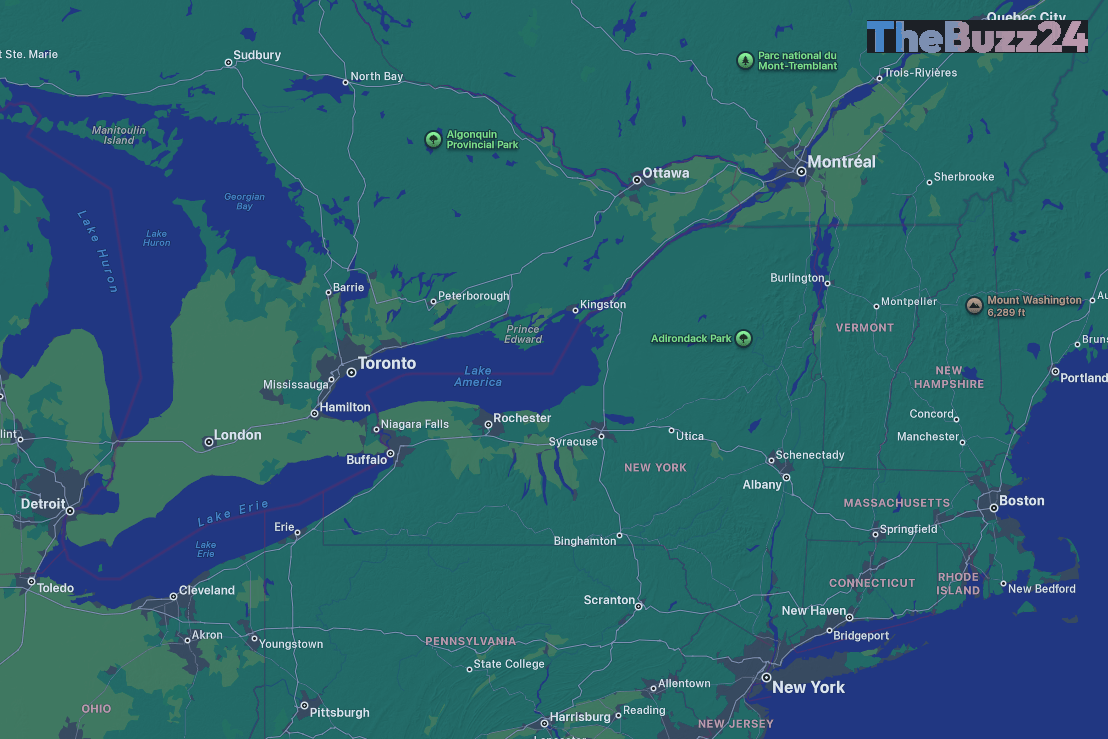
Apple and Google Update Maps to Reflect Controversial Renaming of Lake Ontario
Apple has officially updated its mapping service to display Lake Ontario as “Lake America” for users within the United States. This move follows a similar update by Google and comes in direct response to an executive order signed by President Trump on August 27. The directive mandated that the Interior Department update the lake’s designation in federal databases, citing the body of water’s importance to the national economy.
The geographic rebranding is currently limited to U.S.-based users. While Apple Maps will display the new name domestically, users in Canada will continue to see the traditional name, and international users may see both labels. This shift in digital cartography mirrors a previous policy change by both tech giants, who renamed the Gulf of Mexico to the “Gulf of America” following a similar executive order last year.
Not all mapping services have opted to follow the federal mandate. MapQuest has publicly stated it will retain the name Lake Ontario, citing a commitment to the terminology most familiar to its user base. This stance has resulted in a significant surge in popularity for the platform, with the MapQuest mobile app climbing to the top of the U.S. App Store charts, surpassing major competitors like ChatGPT in download volume.
Key Takeaways
- Apple and Google have updated their U.S. map services to reflect the government-mandated renaming of Lake Ontario to 'Lake America'.
- The change is restricted to U.S. users, while Canadian and international versions of the maps remain largely unchanged.
- MapQuest has refused to adopt the new name, leading to a massive spike in app downloads as users seek alternatives.
Editor’s Analysis & Impact
The decision by Apple and Google to align their mapping services with federal naming mandates highlights the complex intersection of corporate policy, government influence, and user sentiment. By prioritizing official government databases, these tech giants risk alienating users who value geographical consistency and historical accuracy. The immediate market reaction—a surge in MapQuest downloads—demonstrates that users are willing to migrate to alternative platforms when they perceive a loss of neutrality or utility in mainstream services. This incident underscores the growing tension between private tech platforms and political directives, suggesting that future mapping updates may become flashpoints for public debate. As these companies continue to act as the primary gatekeepers of digital information, their adherence to government-led naming conventions will likely remain a contentious issue for global users and international relations.
Frequently Asked Questions
Q: Will users outside of the United States see the name 'Lake America' on Apple Maps?
A: No, the name change is currently restricted to users within the United States. International users may see both names, while Canadian users will continue to see the name Lake Ontario.
Q: Why did MapQuest see a surge in downloads?
A: MapQuest experienced a significant increase in downloads after publicly announcing that it would not change the name of Lake Ontario, positioning itself as an alternative for users who prefer the traditional geographic name.
AI Disclosure: This article is based on verified data and official reports. Our Team and AI have cross-referenced every financial detail with primary sources to ensure total accuracy.
More from this Category